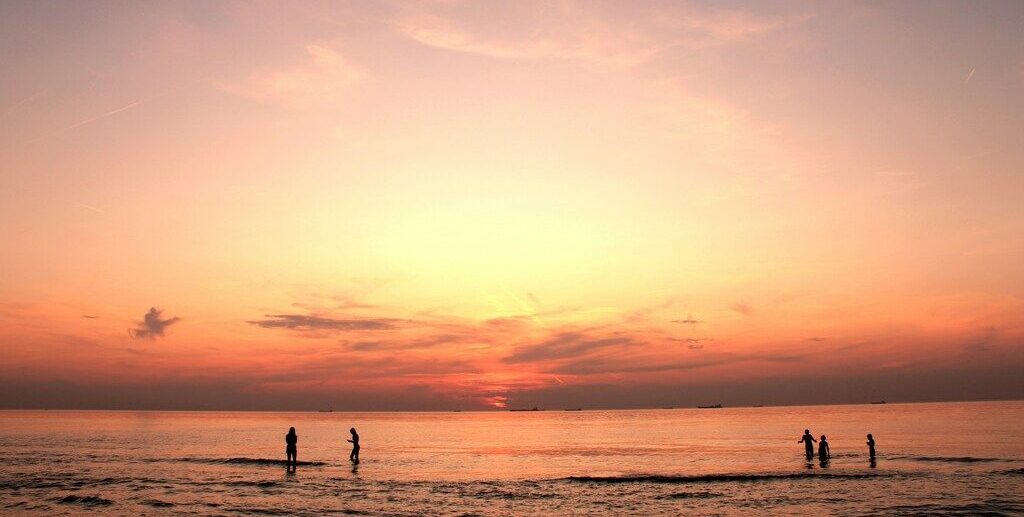
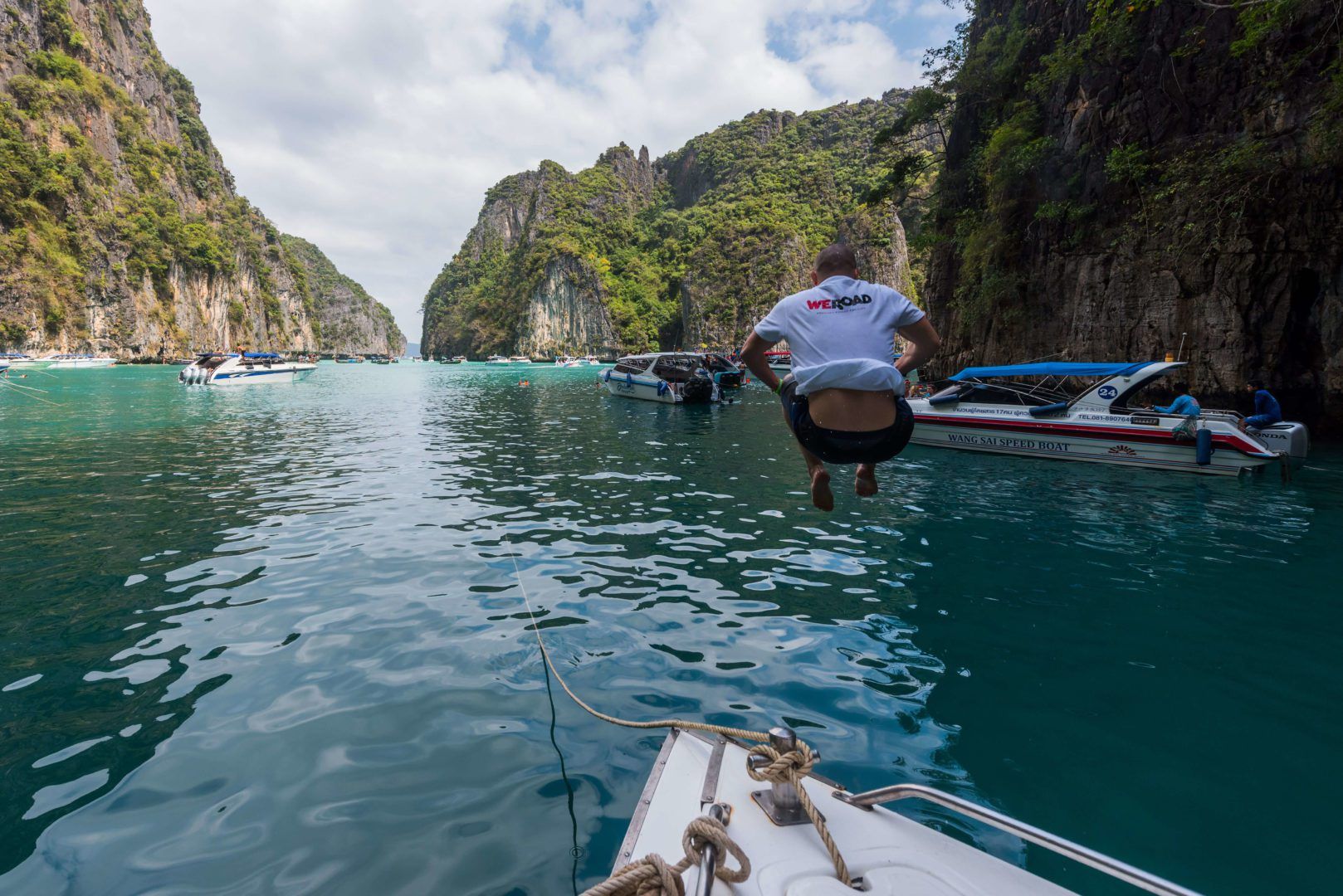
Choosing the perfect holiday often feels like a race against the sun, but July remains the gold standard for global travel. Whether you are seeking the salt-drenched cliffs of the Mediterranean or the crisp, dry air of the Andean winter, this month offers unparalleled climatic windows. In the Northern Hemisphere, summer hits its stride with long days and vibrant festivals. Meanwhile, the Southern Hemisphere provides the best conditions for high-altitude trekking and desert exploration due to the absence of rain.
This month is also about a season of unique natural phenomena, from the Midnight Sun in Iceland to peak wildlife viewing in the African savannah. This guide focuses on 16 hand-picked destinations where the current season isn’t just a travel date, but the absolute best time to go. We have curated these locations to balance seasonal highlights with practical tips for navigating the crowds and maximizing your experience.
For those who want the iconic glow, salt-water hair, and long sunset dinners, these European hotspots are at their peak.
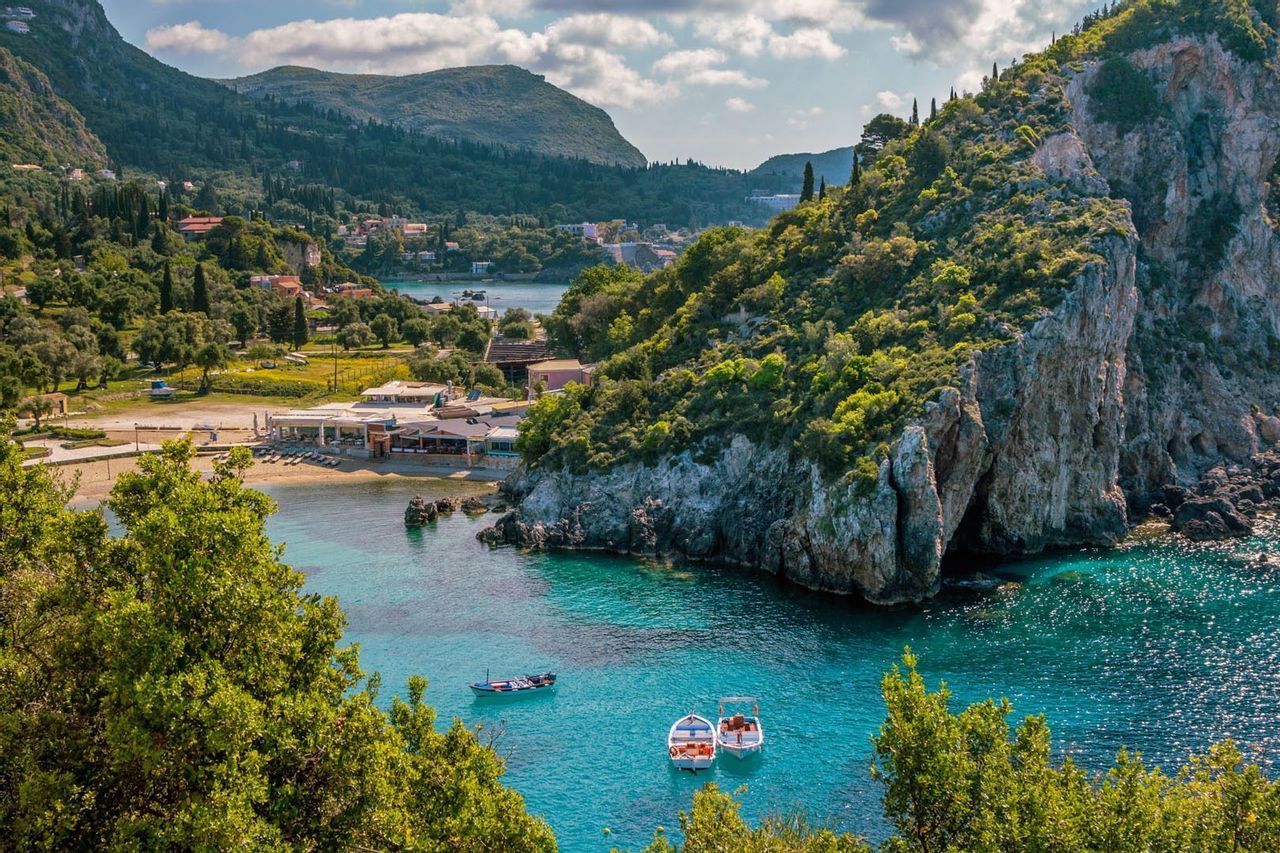
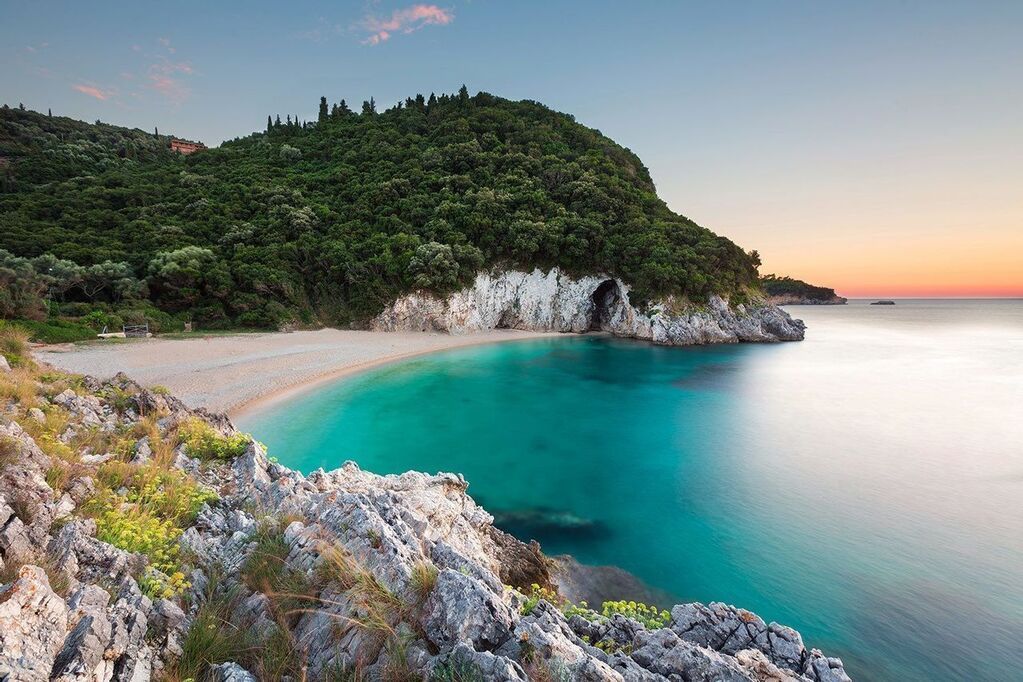
Greece: Corfu, Crete, Athens & Peloponnese
Greece is a symphony of blue and white this month. In Athens, temperatures hover around 33°C, and the ancient marble of the Acropolis glows under a relentless sun. For a more relaxed pace, the Peloponnese offers hidden archaeological gems like the theatre of Epidaurus. If you head to the islands, Crete provides endless variety, from the Venetian harbor of Chania to the rugged White Mountains.o find your perfect slice of paradise, check out this guide to the best beaches in Crete.
Expert Tip: The Meltemi winds can make ferry travel between islands bumpy. If you are prone to seasickness, stick to larger vessels or explore the Ionian islands like Corfu, where the waters are generally calmer. In 2026, many Greek towns celebrate local “Panigiri” festivals—traditional feast days with music and dancing that often last until dawn.
Italy: Sardinia, Amalfi Coast, Sicily, and the Aeolian Islands
Italy right now is an invitation to the dolce vita. Sardinia and Sicily often reach 32°C, while the Amalfi Coast stays near 29°C. The water is so clear it looks like glass. Taking a boat to Stromboli to watch the eruptions at dusk is a life-changing experience. In Sicily, the Valley of the Temples is breathtaking but best visited at sunset to avoid the daytime heat.
Expert Tip: Avoid “museum fatigue” and heat by adopting the local Controra. Stay indoors or poolside between 1:00 PM and 4:00 PM. For the Amalfi Coast, use the local ferries instead of the SITA buses; they are less crowded and provide a stunning perspective of the cliffs. If you are in Tuscany, don’t miss the Palio di Siena on July 2nd, a historic horse race that transforms the city.
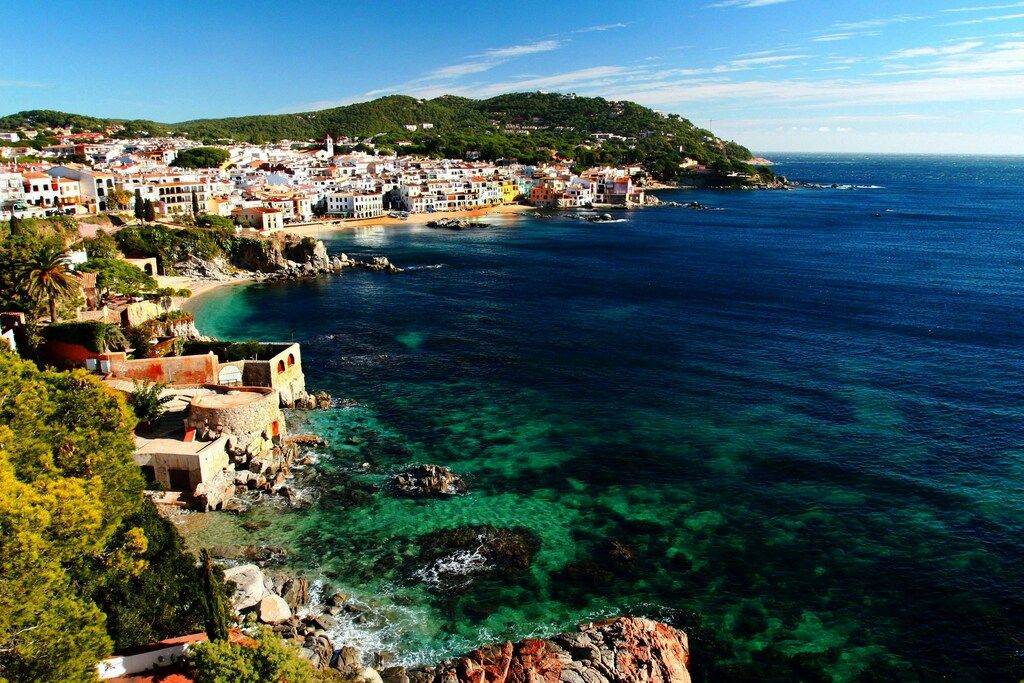
Spain: Andalusia, Mallorca, and Costa Brava
Andalusia is the heart of Spanish culture, but cities like Seville can reach 36°C. It is better to base yourself in Malaga for sea breezes or head to Mallorca, where the hidden coves of the east coast offer turquoise serenity. On the mainland, the Costa Brava offers rugged beauty and a cooler 28°C average.
Expert Tip: If you are visiting the Dalí Triangle, pre-book your tickets weeks in advance. The queues in the midday sun are brutal. In Mallorca, rent a small car to navigate the narrow roads of the Tramuntana mountains. For a quiet escape, hike the Camí de Ronda coastal paths before 9:00 AM to find secluded coves.
Malta: Beach Life Express
Malta is a small island with a massive personality. The heat is intense (32°C), so life revolves around the water. The Blue Lagoon on Comino is a must-see, but it gets crowded by noon. Gozo, the sister island, offers a slower pace and incredible diving at the Blue Hole.
Expert Tip: Visit Valletta’s St. John’s Co-Cathedral first thing in the morning to beat the humidity. Use the ferry between Valletta and Sliema instead of buses—it is faster and cooler. For dinner, head to the fishing village of Marsaxlokk for the freshest seafood on the island.
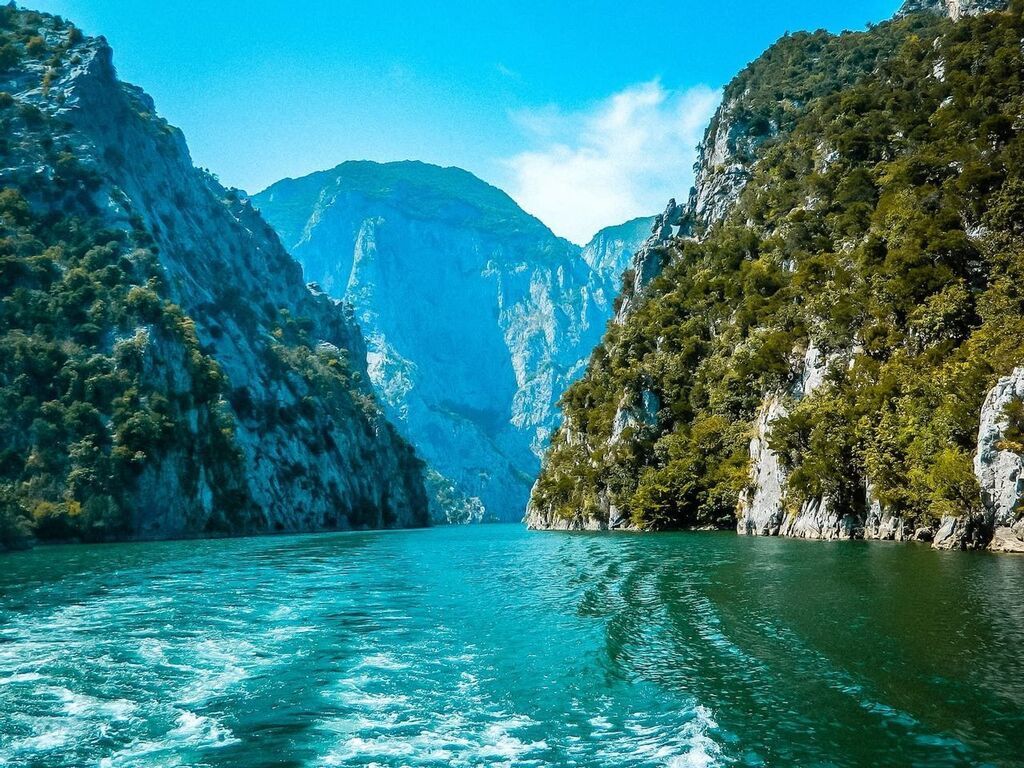
Albania: Tirana, Butrint, and the Southern Coast
Still a “hidden gem,” Albania is the Mediterranean’s secret. The southern coast rivals Greece but at a lower cost. Expect temperatures around 31°C. In the capital, Tirana, you can explore vibrant cafe culture and Bunk’Art, a museum inside a massive Cold War bunker.
Expert Tip: The drive from Tirana to the coast via the Llogara Pass is spectacular but winding. To make the most of the coastline, read up on the most beautiful beaches in Albania before you go. The “Blue Eye” spring is a refreshing 10°C—the perfect natural cooling on a hot afternoon.
The Big Adventures: High Altitudes & “Cool-locations”
For travelers looking for physical challenges, dramatic landscapes, and a refreshing escape from the sweltering heat.
Peru: Peak Trekking in the Andes
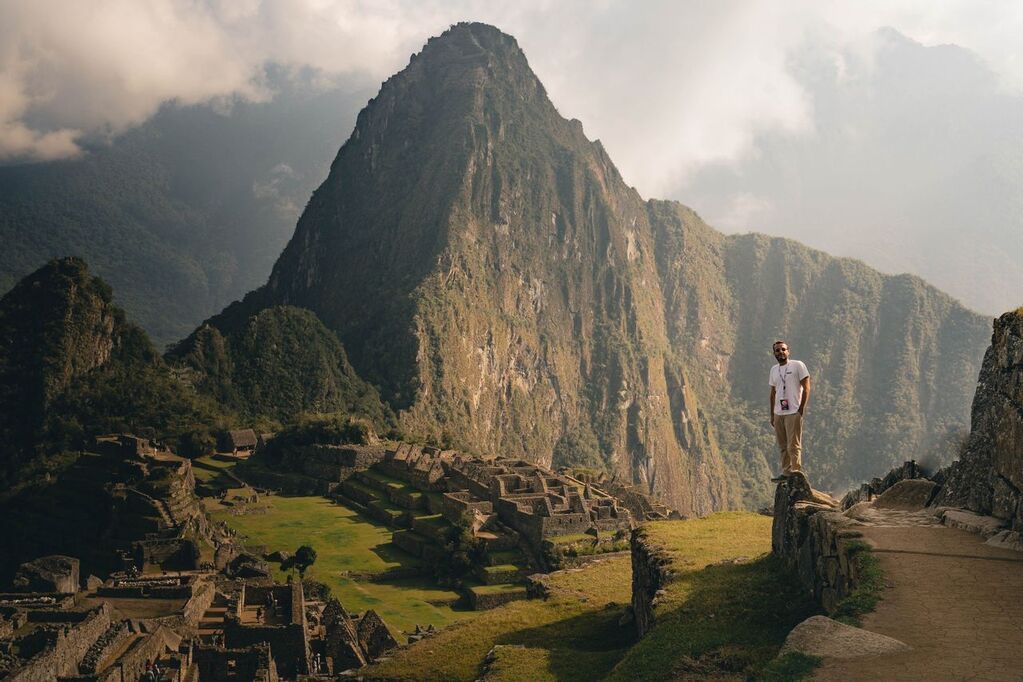
During this mid-winter period, the skies are a piercing blue and rain is rare. This is the ideal time for Machu Picchu and the Sacred Valley. Daytime is a mild 20°C, but nights drop to 0°C. The visibility for photography is the best you will find all year.
Expert Tip: Altitude sickness is real. Spend your first two days in the Sacred Valley (2,800m) rather than Cusco (3,400m) to acclimatize properly. Drink mate de coca and avoid heavy meals for the first 48 hours. Pack high-quality thermal base layers for those freezing Andean nights.
Kyrgyzstan: Expedition in the Mountains
The mountain passes are finally clear of snow, allowing for treks between yurt camps near Song-Kul lake. Expect 25°C in the valleys and 5°C at night in the mountains. This is the heart of nomadic culture, where you can watch traditional horse games.
Expert Tip: Bring a portable power bank and a water filtration bottle. Many yurt camps have limited electricity. The sun at high altitudes is extremely strong; use a high SPF sunscreen even if it feels chilly. Try the local lepeshka (bread) fresh from the tandoor at every stop.
Iceland: Land of Fire and Ice
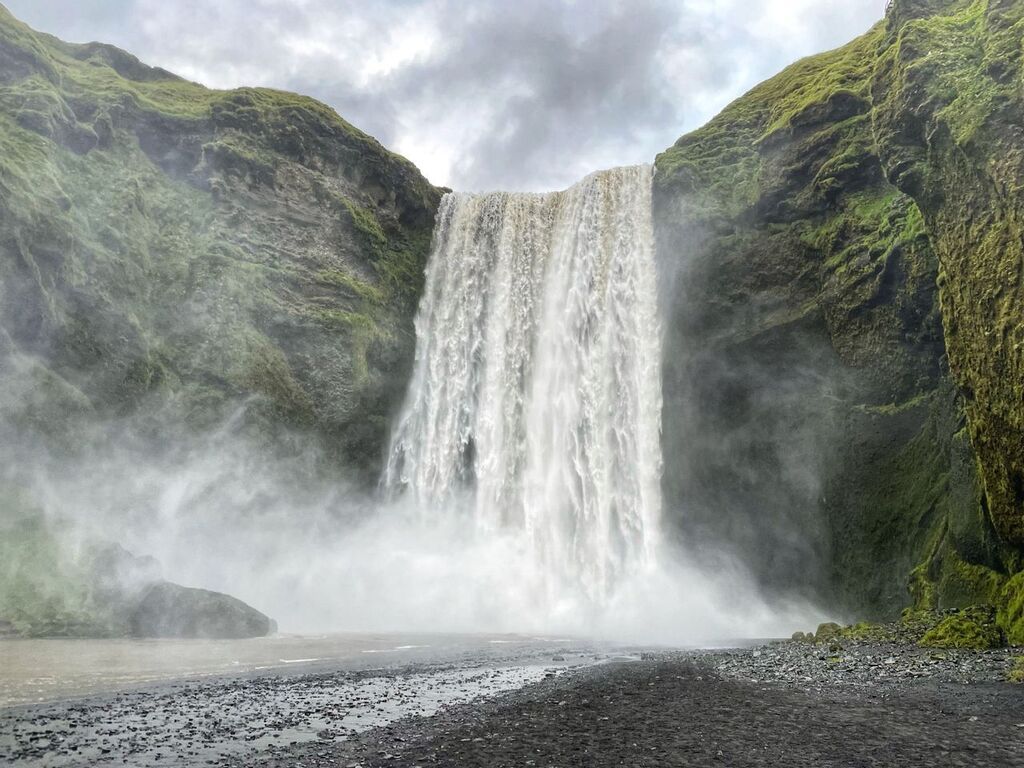
Experience the Midnight Sun, with temperatures between 10°C and 15°C. You can explore the Ring Road or the remote Westfjords under a permanent twilight. The lupine flowers are in full bloom, painting the landscapes purple.
Expert Tip: Even in “summer,” Icelandic weather is unpredictable. You can experience four seasons in one hour. A high-quality waterproof shell is non-negotiable. If you plan to drive the F-roads into the highlands, you must have a 4×4 vehicle—it’s the law and a safety necessity for crossing rivers.
Patagonia (Argentina & Chile)
For cold-lovers, Patagonia right now is a snowy wonderland. Destinations like Bariloche become ski hubs, and the Perito Moreno glacier looks majestic against snow-capped peaks. Temperatures range from -2°C to 6°C. It is the quietest time of year, offering total solitude.
Expert Tip: Many lodges in the deep south (Torres del Paine) close for winter. Focus your trip on Northern Patagonia (The Lake District) for skiing and thermal springs. Always check road conditions before driving, as black ice is common on the mountain passes.
South Africa: Cape Town and Kruger Safari
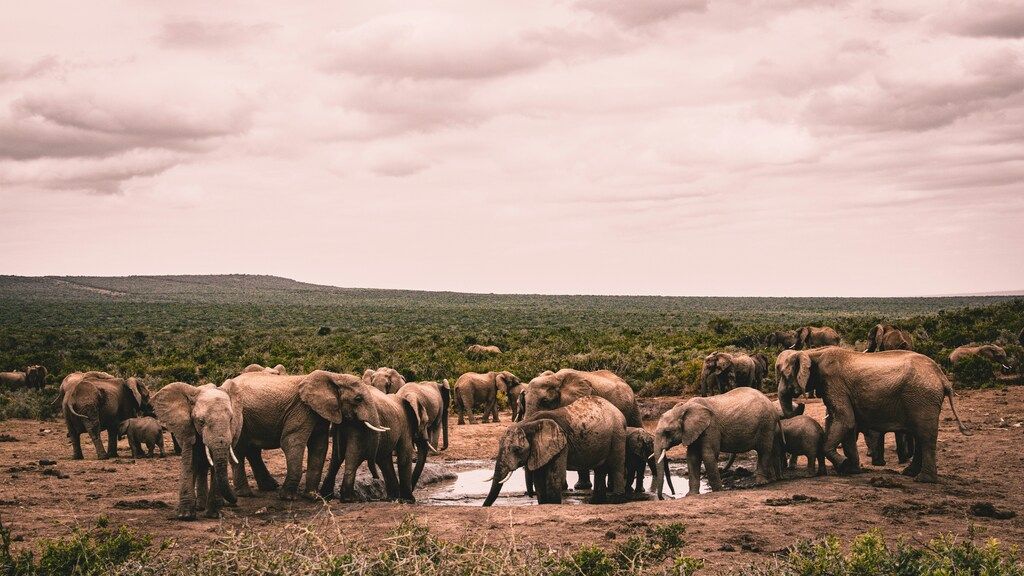
This is prime for a safari. In Kruger, the lack of rain causes the bush to thin out, making wildlife spotting easy. Days are 22°C, but nights are cold. The lack of mosquitoes in winter is a massive plus for travelers.
Expert Tip: In Cape Town, this is the best time for whale watching. Head to Hermanus for the world’s best land-based whale spotting. On safari, bring a warm hat and gloves for the early morning game drives in open-top vehicles—the wind chill can be intense. To plan your perfect route, discover the top-rated attractions in South Africa.
Namibia: Desert Landscapes
Namibia is spectacular right now. The dry winter weather means wildlife in Etosha is concentrated at waterholes. Temperatures reach 24°C but crash to 5°C at night. The dunes of Sossusvlei are iconic, and the cooler weather makes climbing Big Daddy much more manageable.
Expert Tip: The air is incredibly dry, which can lead to dehydration. Bring high-quality lip balm and a saline nasal spray. The clear winter skies make for the best stargazing; download a sky map app. Ensure your rental car has two spare tires, as gravel roads are tough.
Australia: Queensland to Sydney
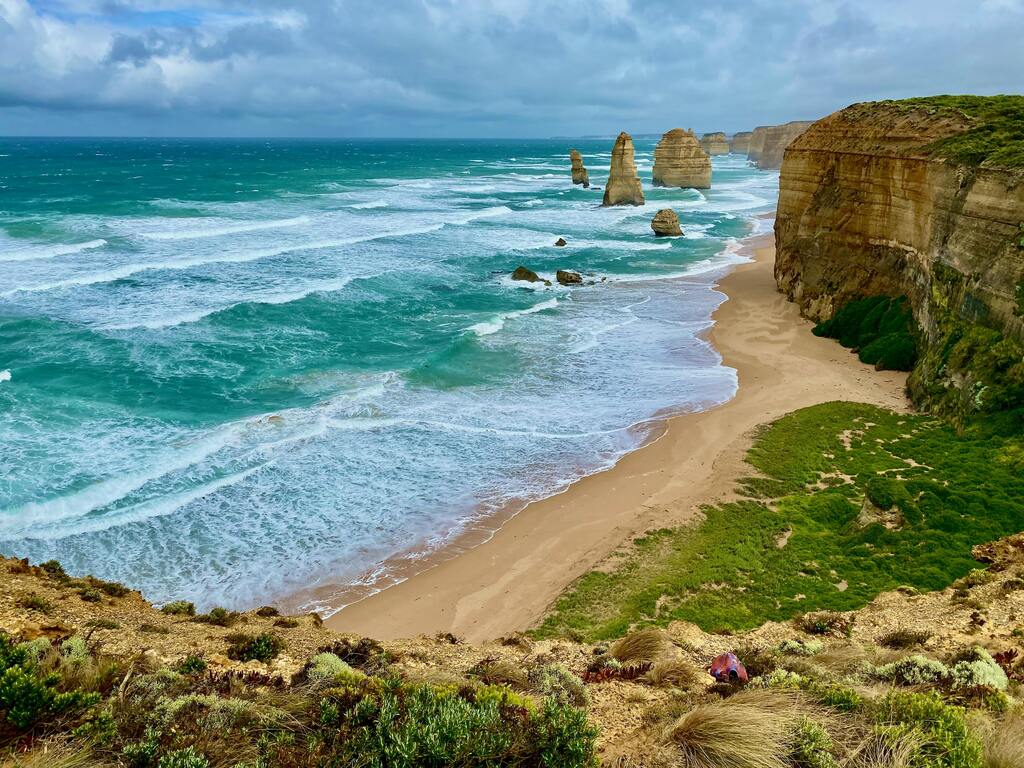
While the south shivers, Northern Queensland is in its “dry season.” This is the best time to snorkel the Great Barrier Reef without the risk of jellyfish. Highs are a perfect 25°C. Sydney is crisp and clear, perfect for walking across the Harbour Bridge.
Expert Tip: If you are visiting Sydney, the crisp winter light is perfect for photography. The coastal walk from Bondi to Coogee is best done on a fresh morning. Whales are also migrating north – book a tour from Darling Harbour for a 95% chance of sightings.
Alaska: Glaciers and Fjords
This is the warmest time of year (18°C), ideal for exploring Denali National Park or the Kenai Peninsula. You can see bears fishing for salmon and whales breaching in the bays. The wildflowers are at their peak, and the hiking trails are fully accessible.
Expert Tip: Mosquitoes are famously large in Alaska during this season. Pack repellent with DEET and lightweight long-sleeved clothing. If you are taking a glacier cruise, the air near the ice is significantly colder—bring a hat and gloves even if it’s sunny on land.
The Tropical Escape: Perfect Dry Seasons
For those wanting exotic island life and lush landscapes without the interruption of the monsoon.
Indonesia: Java, Bali, and the Gili Islands
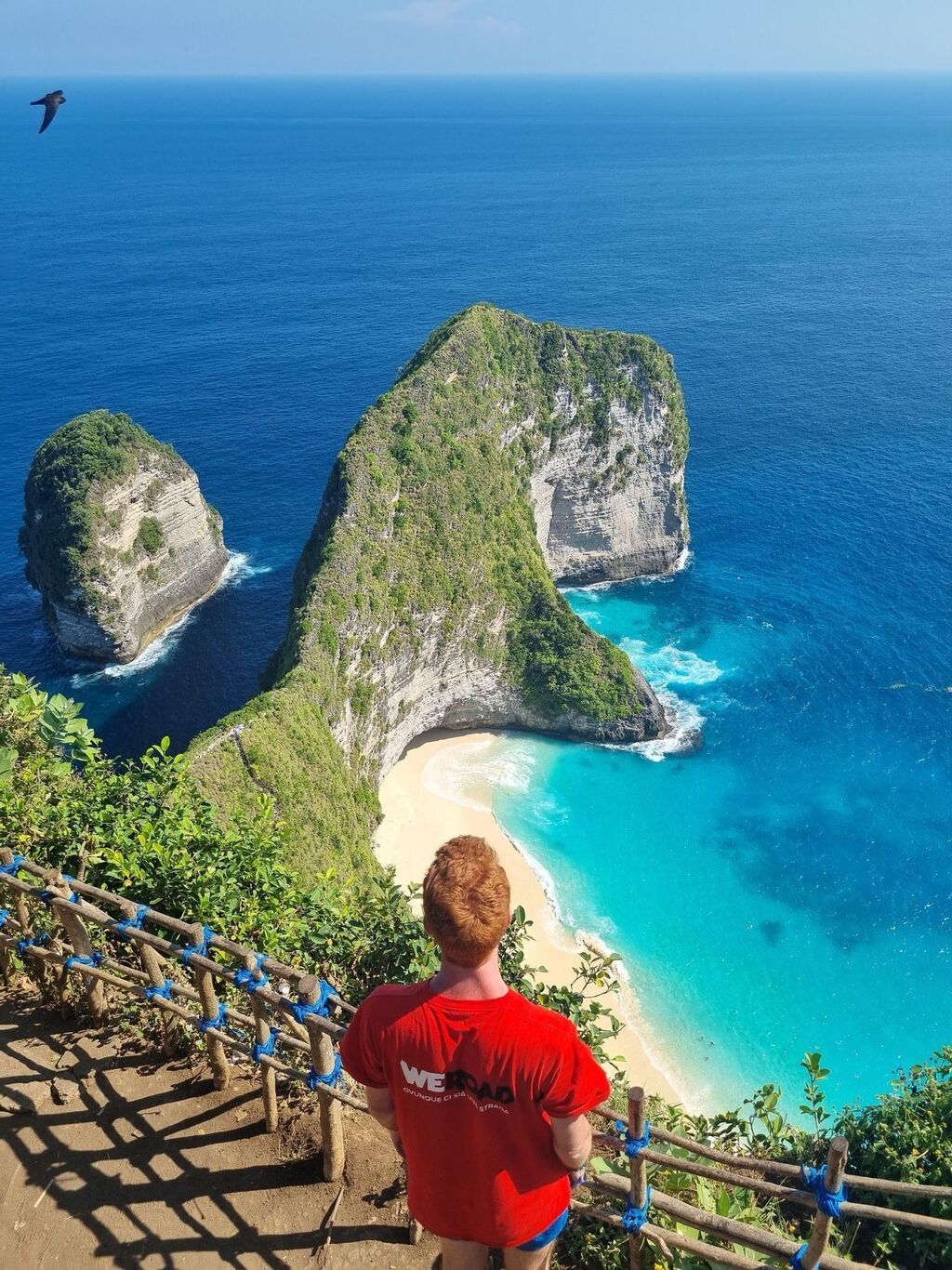
This is the peak dry season, making it the most beautiful time to visit. Bali offers a mix of surf and culture with low humidity and a comfortable 27°C. Java is home to Borobudur, the world’s largest Buddhist temple, which is stunning at sunrise.
Expert Tip: Bali’s popular spots like Ubud and Canggu get very busy during this peak season. For a more authentic experience, head to North Bali (Lovina) or East Java. The sunrise trek to Mount Bromo is chilly (10°C at the top), so bring a lightweight puffer jacket and a headlamp.
Thailand Summer: Koh Tao and Koh Samui
While the west coast faces the monsoon, the Gulf of Thailand stays dry and sunny with highs of 32°C. Koh Samui and Koh Phangan are in their prime, offering palm-fringed beaches and calm, turquoise seas. This is the perfect time for a Thailand island hopping and underwater photography as visibility is excellent.
Expert Tip: This period brings the “Full Moon Party” crowds to Koh Phangan. If you want peace, book a resort on the north side of the island (Bottle Beach) or head to Koh Tao for a world-class diving scene that is much quieter. Always use official taxis or pre-booked transfers to avoid overpaying.
Sri Lanka Summer: East Coast and Cultural Triangle
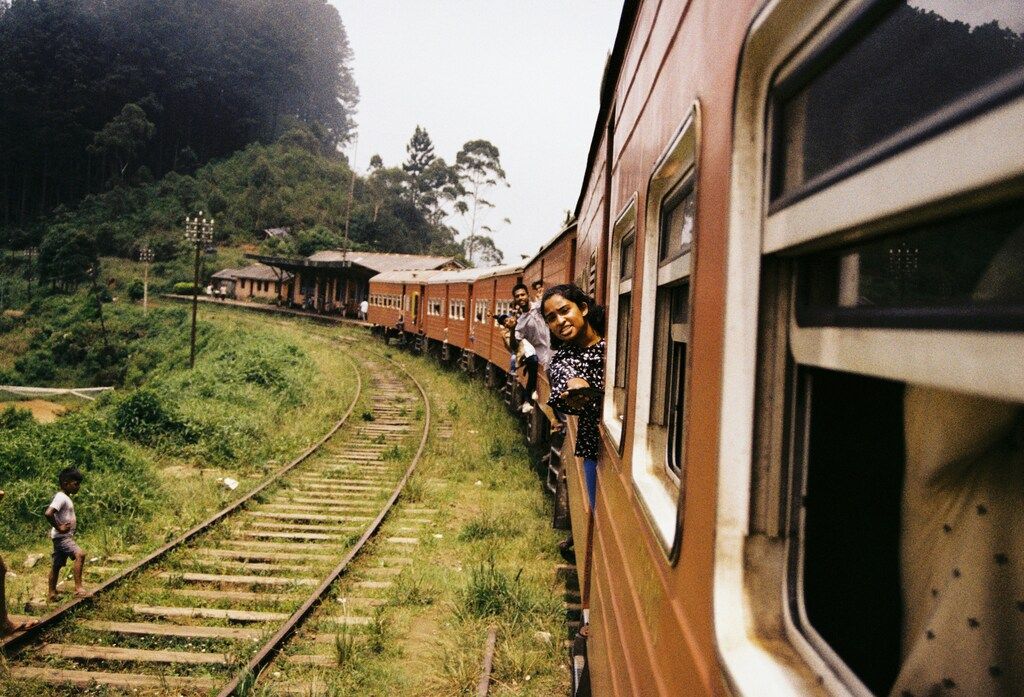
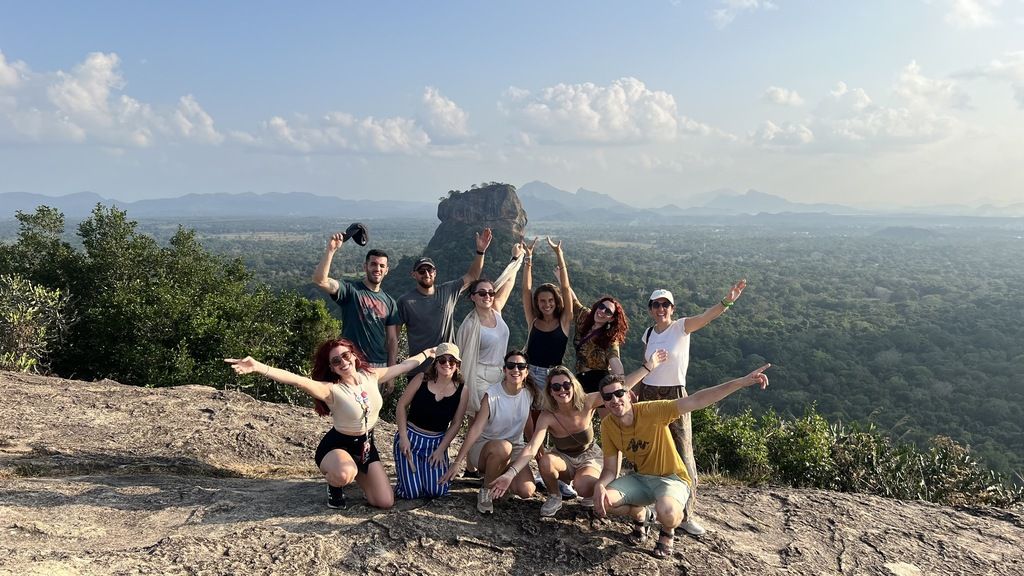
Now is the window to visit the East Coast. Beaches like Nilaveli offer calm waters and 30°C heat. Inland, the Cultural Triangle (Sigiriya, Dambulla) is dry. This region is rich in Buddhist history and ancient ruins that look magical in the summer light.
Expert Tip: This is the best time for “The Gathering” in Minneriya National Park. Hundreds of wild elephants congregate around the receding waters. Book a private jeep safari for late afternoon. For the Cultural Triangle, wear socks when visiting temples; the stone floors get incredibly hot, and you must remove your shoes.
Ready to Write Your Own Travel Story?
Traveling is more than just ticking boxes on a map; it’s about the people you share the sunset with and the collective gasp when you first see a wonder like Machu Picchu. Every destination mentioned offers a world of contrast, from the sun-drenched ruins of the Mediterranean to the frozen majesty of the Southern Andes. Choosing the right destination is the first step, but the real magic happens when you step out of your comfort zone and into a shared adventure. These journeys are designed to be lived intensely, creating bonds that last far longer than a tan.
Whether you are trekking through the clouds or diving into turquoise depths, the beauty of the world is best experienced together. If you are ready to find your next tribe, you can explore our full range of group trips in July 2026 and start planning a journey that will stay with you forever.