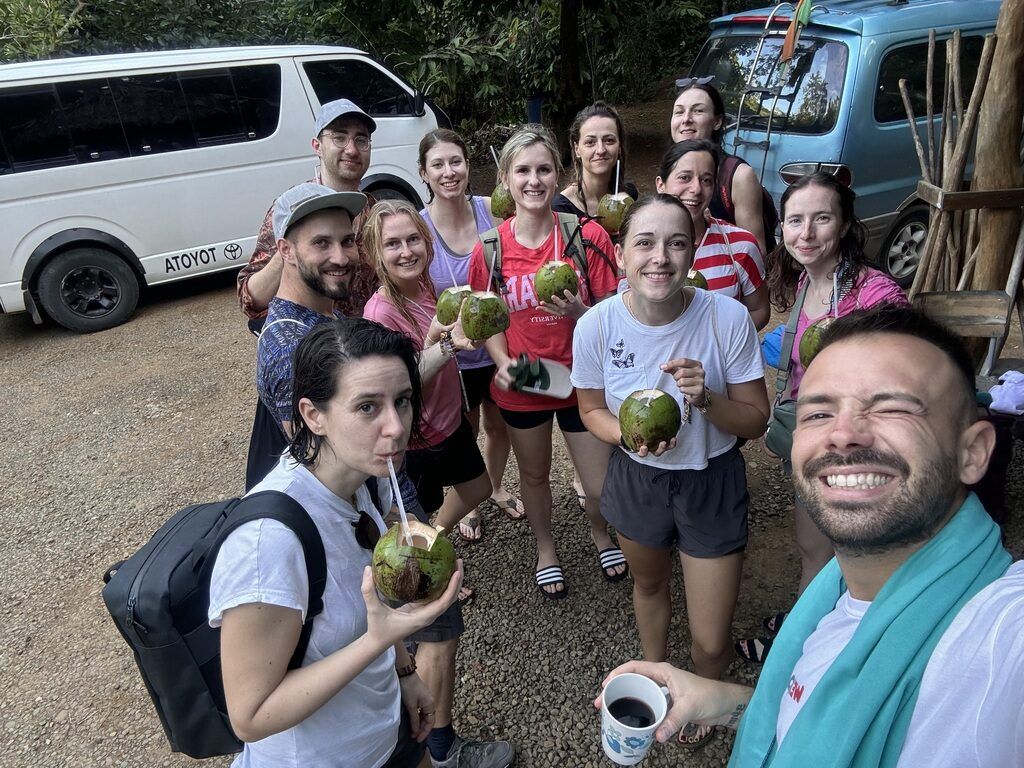
The warm tropical air greets you the moment you arrive. Entering Costa Rica is refreshingly simple for most travellers — and that’s very good news. Most tourists do not need a visa to visit the country. Citizens from the US, UK, EU, and Canada can enter visa-free and stay for up to 90 days.
That said, there are a few important details you shouldn’t overlook. Immigration authorities focus on two key requirements: your passport must be valid and in good condition, and you must have proof of onward travel. These checks are non-negotiable and happen before anything else. Getting them right is the easiest way to ensure a smooth, stress-free arrival.
Visa-Free Travel: Who Needs a Costa Rica Visa for Tourism?
“Do I need a visa for Costa Rica?” is usually the first question travellers ask. For many nationalities, the answer is reassuringly simple: no.
Citizens of the USA, Canada, the UK, and most European countries can enter Costa Rica without applying for a tourist visa in advance. Upon arrival, immigration issues a tourist stamp, allowing stays of up to 90 days.
Visa-free entry doesn’t mean rules don’t apply. Immigration officers retain the right to deny entry if requirements aren’t met. Following the official guidelines carefully ensures your arrival is as relaxed as the country itself.
Mandatory Documents: The Two Non-Negotiable Requirements
Costa Rica is generous with its entry policy, but it is also precise. Immigration officials expect visitors to arrive fully prepared. Two documents are checked almost without exception.
Passport Validity
Officially, Costa Rica requires your passport to be valid for the duration of your stay. In practice, airlines and border authorities usually expect at least six months of remaining validity.
The safest approach is simple: make sure your passport remains valid for six months beyond your arrival date. This avoids issues at airline check-in and ensures compliance with all authorities involved.
Proof of Onward Travel: Your Ticket Out
This is the requirement that catches many travellers off guard. Proof of onward travel (or a “return ticket”) is mandatory. You must show a confirmed ticket proving you will leave Costa Rica before your legal stay expires. This can be:
A return flight
A flight to another country
A bus ticket to Panama or Nicaragua
A cruise departure
Airlines often enforce this rule before boarding, so having documentation ready is essential.
Duration of Stay: 90 Days and What to Do Next
Understanding how long you’re allowed to stay helps you plan realistically and avoid unnecessary issues.
Tourist Stamp Validity
Visa-exempt travellers are typically granted a tourist stamp valid for up to 90 days. However, the final decision lies with the immigration officer.
Always check the stamp in your passport before leaving the counter. Overstaying — even by one day — can result in fines or complications when exiting or re-entering the country.
Extending Your Stay: Border Runs Explained
Many travellers ask whether they can extend their stay by leaving and re-entering Costa Rica. While border runs are common, they are not guaranteed.
Immigration authorities may grant another 90 days, a shorter period, or deny re-entry altogether if they believe you are attempting to live in the country without residency. Border runs should be approached cautiously and never assumed to be automatic.
Preparing for Immigration: Health and Practicalities
Beyond documents, being informed about health requirements and general logistics can make entry faster and smoother. Costa Rican officials expect travellers to understand and respect entry rules.
Yellow Fever Vaccine: The Key Exception
Costa Rica does not require routine vaccinations, except for Yellow Fever if you are arriving from certain countries in South America or Sub-Saharan Africa, including Brazil, Colombia, and Peru.
Requirements may change, so always verify the latest rules with an official government or embassy source before departure.
Travel Health Insurance: Strongly Recommended
While not mandatory for entry, travel health insurance is highly recommended. Private healthcare in Costa Rica is excellent but can be expensive without coverage.
Whether it’s a minor surf injury or an unexpected illness, insurance ensures peace of mind while you focus on enjoying your trip.
Planning Beyond the Visa: Timing and Experiences
Once entry logistics are sorted, the real planning begins. With up to 90 days available, timing matters.
Weather patterns, wildlife activity, and travel costs vary significantly throughout the year. Understanding the best time to visit Costa Rica help connect practical planning with unforgettable experiences.
Your Ticket to Pura Vida Is Better in Good Company
Once paperwork is done, everything else fades into the background. What remains is Costa Rica itself: jungle sounds at sunrise, Pacific sunsets, and that unmistakable Pura Vida rhythm.
Travelling with others adds a different dimension. Shared wildlife sightings, waterfall swims, and beachside dinners quickly turn into lasting memories. With logistics handled for you, the focus stays on connection, exploration, and fun.