Columns rise like cliffs. Hieroglyphs stretch across endless stone walls. The sheer scale of the place immediately alters your sense of proportion. For nearly two millennia, this vast sanctuary was the spiritual heart of ancient Egypt, where religion and power were inseparable and kings ruled by divine authority.
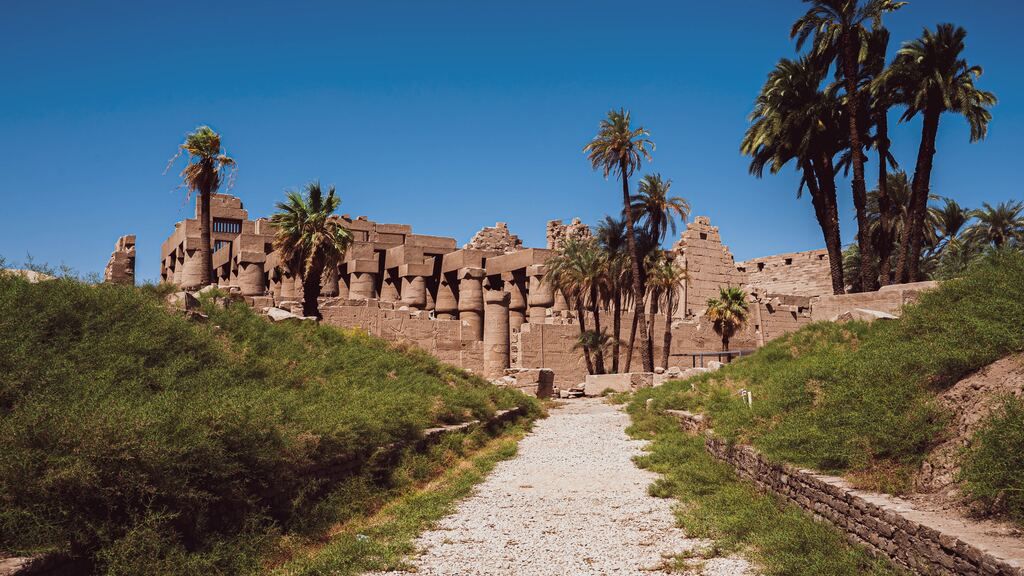
Karnak is not a single monument frozen in time. It is a living archaeological landscape, shaped over centuries by pharaohs determined to secure their legacy. Located on Luxor’s East Bank, the Karnak Temple Complex is the largest religious site ever built, covering more than 200 acres. Rather than one temple, it is a city of sanctuaries, halls, obelisks, chapels, pylons, and sacred spaces, including its own lake and ceremonial avenues.
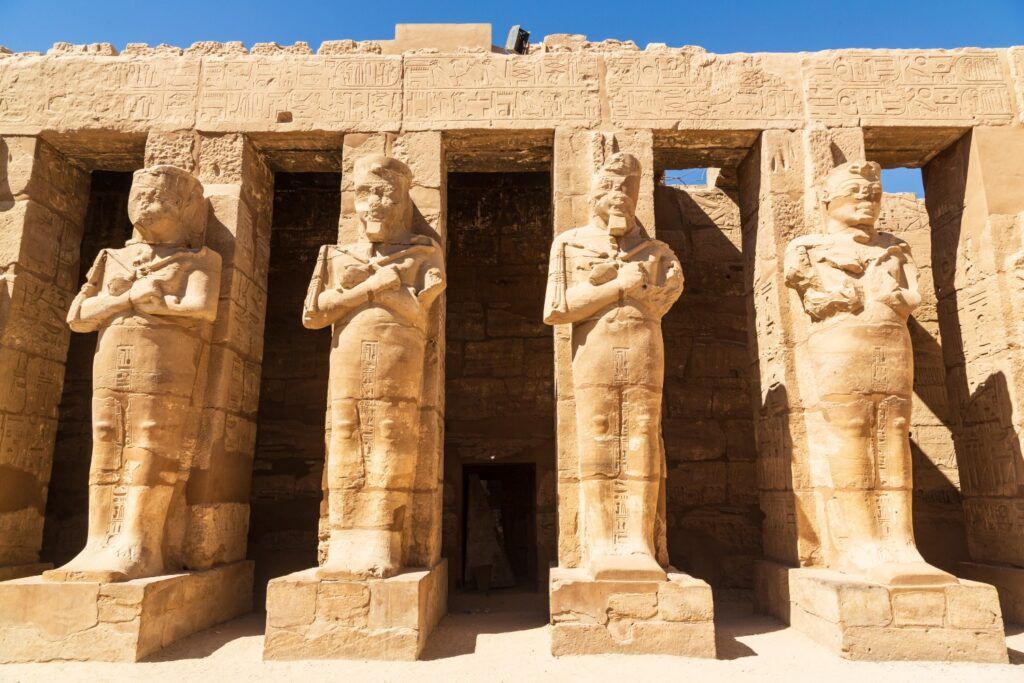
Walking through Karnak is a journey across 2,000 years of history. Rulers such as Hatshepsut, Seti I and Ramesses II each left their mark, adding stone upon stone rather than erasing what came before. Very few places in the world offer such an overwhelming and well-preserved vision of ancient ambition.
Why Karnak Temple Is So Famous: History, Gods and Monumental Scale
Karnak stands apart in the ancient world for three reasons: scale, duration and religious importance. It was the principal place of worship in ancient Egypt and the sacred domain of Amun-Ra, the most powerful god of the New Kingdom.
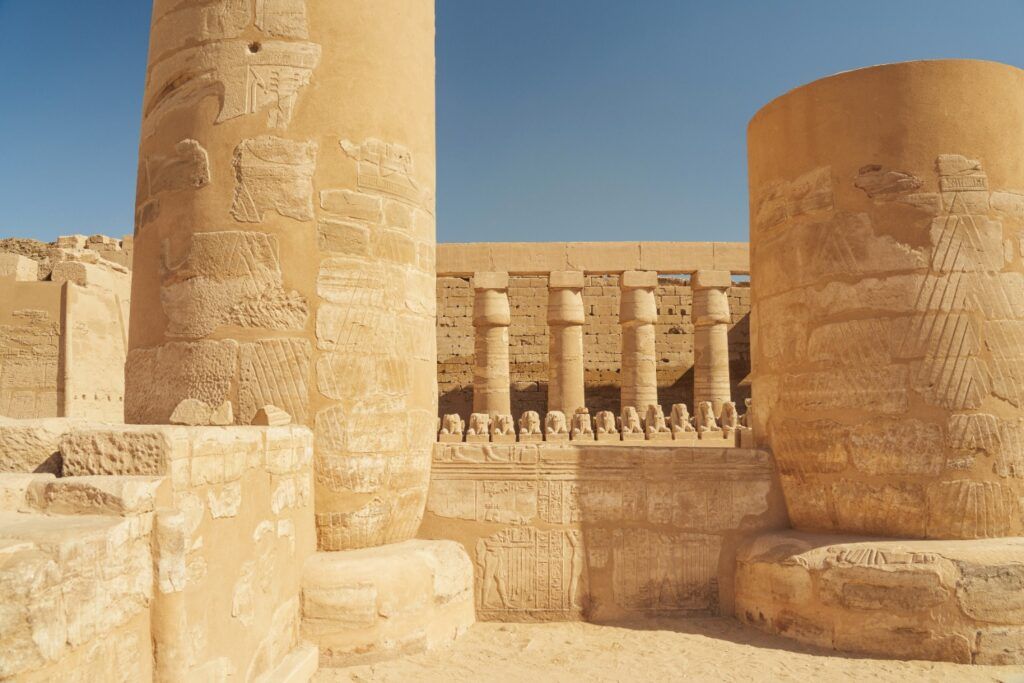
Construction began around 2000 BC and continued for nearly 2,000 years. Successive pharaohs expanded the complex with new pylons, courtyards and halls, creating a layered architectural record of shifting power and belief. Rather than dismantling earlier structures, rulers chose to build alongside them, turning Karnak into a vast stone archive of Egyptian civilisation.
During the New Kingdom, when Thebes (modern Luxor) served as Egypt’s capital, Karnak became the ultimate symbol of legitimacy. To build here was to declare divine favour. Each addition was a political statement carved in stone, proclaiming prosperity, order and authority under the gaze of the gods. Understanding Karnak is inseparable from understanding Egypt at the height of its imperial power.
The Great Hypostyle Hall: Walking Through A Forest Of Stone
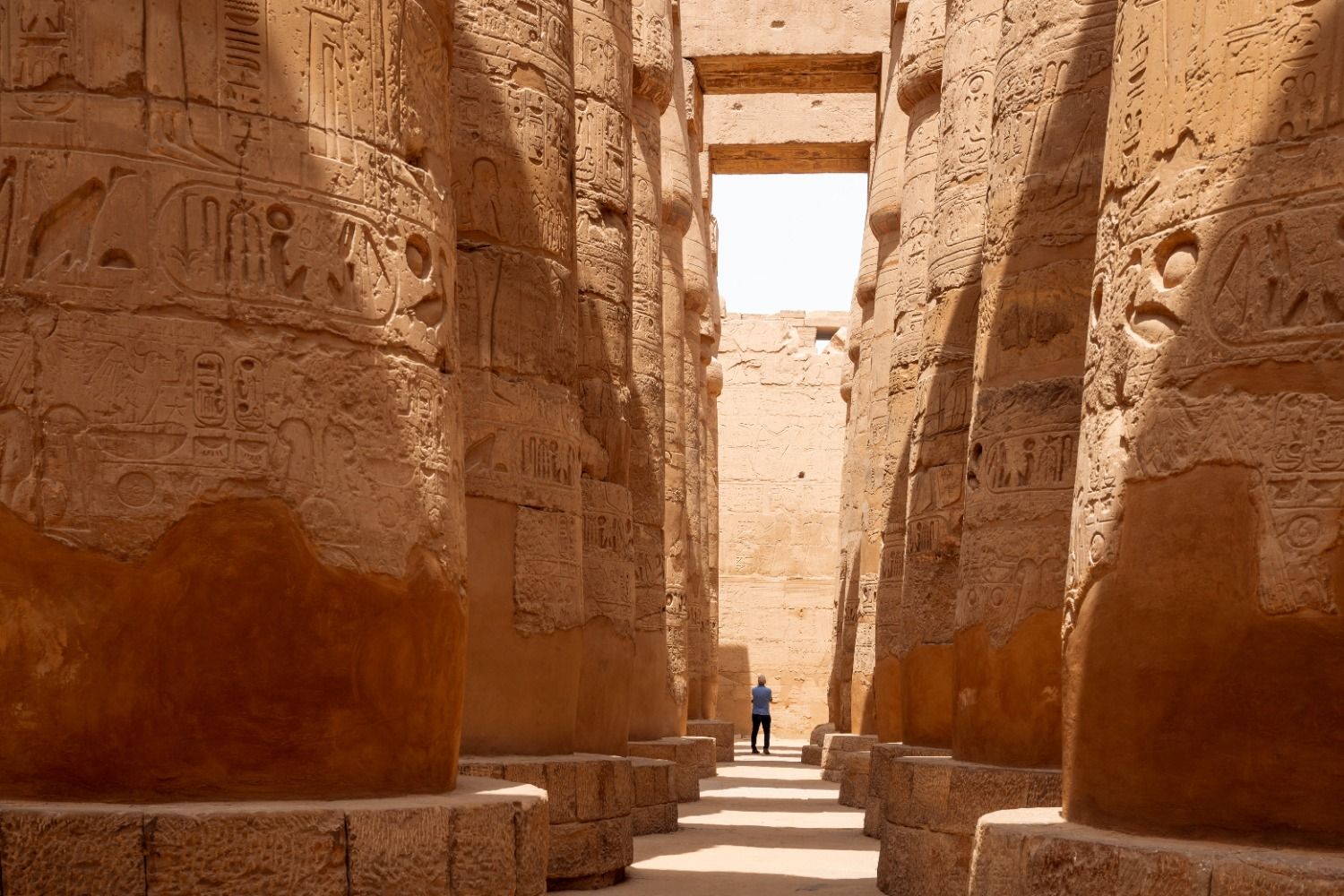
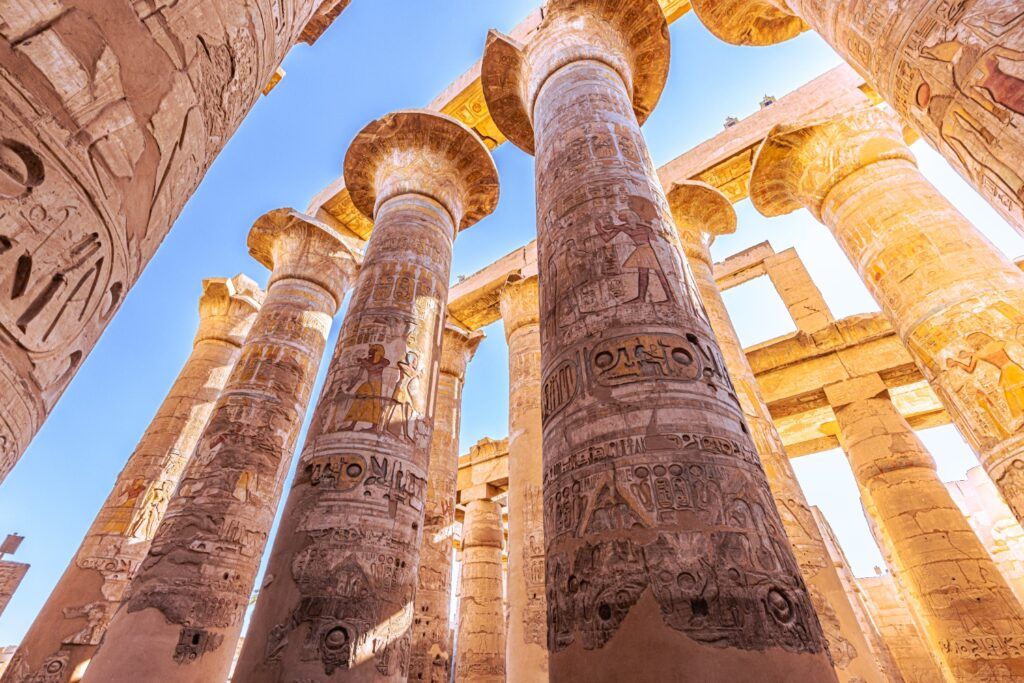
Nothing truly prepares you for the Great Hypostyle Hall. Stepping inside feels like entering a petrified forest designed on a divine scale. This single hall contains 134 colossal papyrus-shaped columns, arranged in sixteen aisles, dwarfing many modern cathedrals.
The structure’s visual power comes from variation. Twelve central columns rise more than 20 metres high, while the remaining 122 are shorter. This design once supported a clerestory roof, allowing sunlight to filter through stone grilles and illuminate the space dramatically. For ancient visitors, the effect would have been unmistakable: the presence of Amun-Ra descending from above.
Seti I began the hall’s decoration with finely carved bas-reliefs, while his son Ramesses II completed the work, carving his own sunk reliefs deeper into the stone to ensure permanence. Today, the reliefs appear muted, but originally they were vividly painted, making the hall an overwhelming display of colour, symbolism and divine order.
Sacred Landmarks: Obelisks, the Scarab and the Sacred Lake
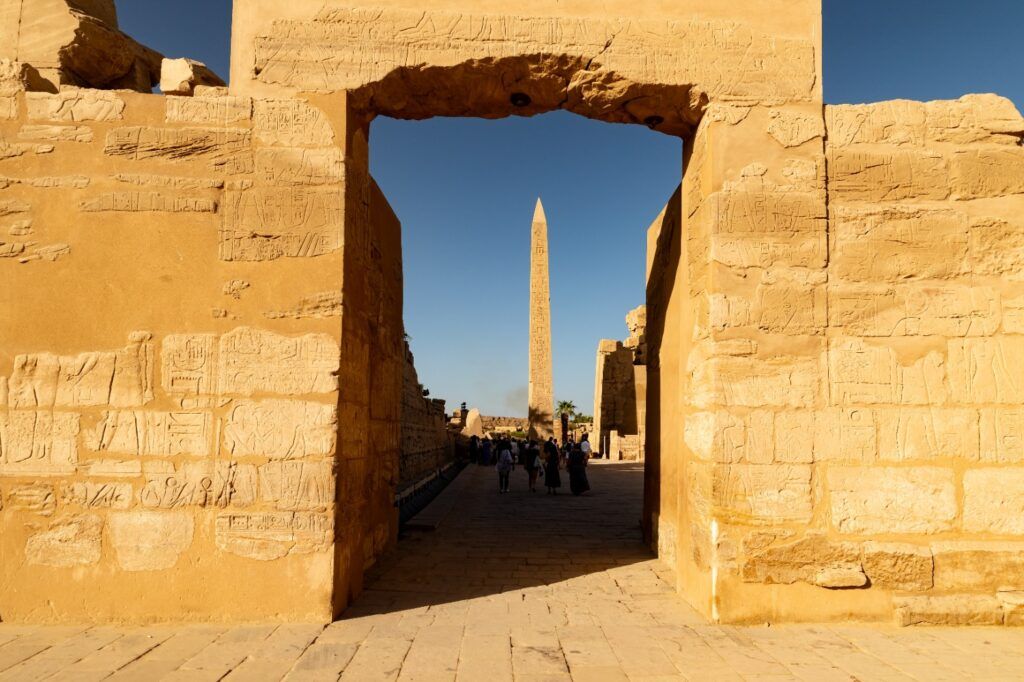
Beyond the Hypostyle Hall, Karnak unfolds into a network of symbolic spaces. One of the most striking is the obelisk of Hatshepsut, a towering monolith nearly 30 metres tall, erected to assert her authority as pharaoh in a traditionally male role.
Nearby lies the Sacred Lake, a vast rectangular basin used by priests for ritual purification. It symbolised the primordial waters of creation and remains one of the most atmospheric corners of the complex, especially in the early morning light.
Close to the lake stands a large stone scarab representing Khepri, god of rebirth. Visitors still circle it in hopes of good fortune, fertility or success. Whether taken seriously or playfully, the ritual adds a human moment to a site otherwise defined by monumental scale.
Given Karnak’s vastness, thoughtful planning is essential. While organising your journey, it’s worth exploring other essential places to visit in Egypt to build a balanced itinerary.
Timing Your Visit: Beating the Heat and the Crowds
Timing can completely change the experience of Karnak. The best moment to visit is at opening time, around 6:00 AM. Early mornings offer cooler temperatures, softer light and far fewer visitors, making exploration more comfortable and photography far more rewarding.
Tour buses typically arrive mid-morning, and by late afternoon the site becomes crowded again as visitors gather for sunset views. While the light can be beautiful later in the day, the heat and congestion often diminish the experience. Plan to spend at least two to three hours on site to fully appreciate its scale.
Comfort is key: sturdy footwear, sun protection and plenty of water are essential. Seasonal conditions also matter, so aligning your visit with the best time to visit Egypt can significantly improve overall comfort.
From Karnak to Luxor: Sound & Light and the Avenue of Sphinxes
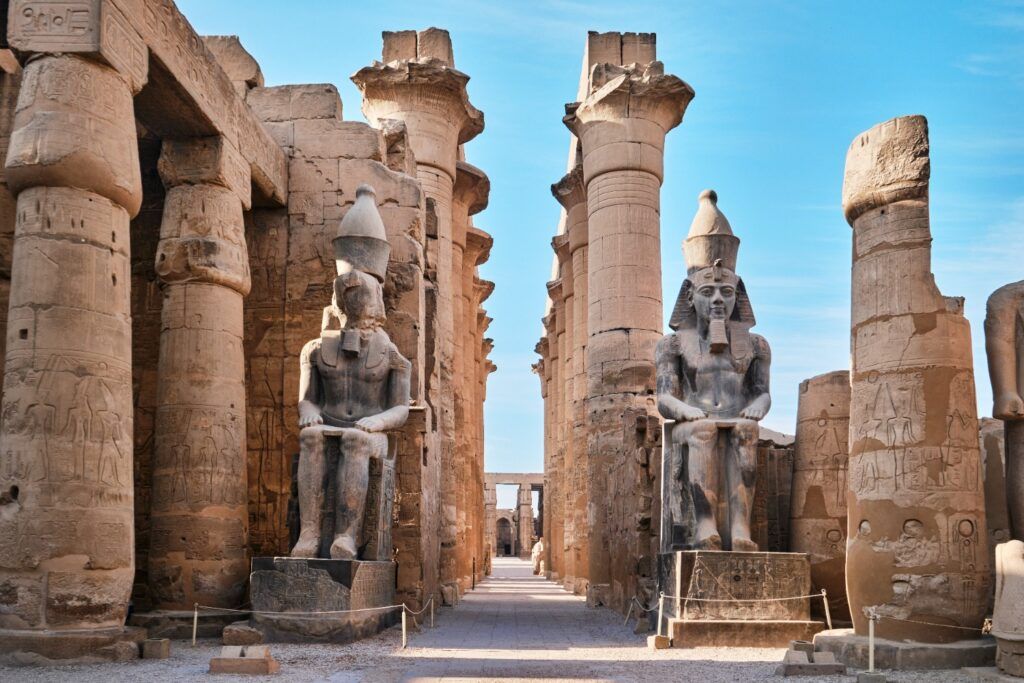
Karnak was never meant to stand alone. It was ceremonially connected to Luxor Temple by the Avenue of Sphinxes, a three-kilometre processional road used during major religious festivals. Recently restored, walking its length today offers a tangible sense of continuity between the temples.
In the evening, the Karnak Sound & Light Show provides a different perspective. While it favours spectacle over scholarship, the illuminated ruins and narrated storytelling can be a memorable complement to a daytime visit.
Together, Karnak and Luxor Temple formed the spiritual core of ancient Thebes. Experiencing both deepens your understanding of how religion, politics and urban life intertwined along the Nile.
Why the History of Karnak Is Better Shared
Karnak is as intellectually demanding as it is emotionally powerful. Standing among 134 towering columns, absorbing centuries of symbolism and ambition, can be overwhelming on your own.
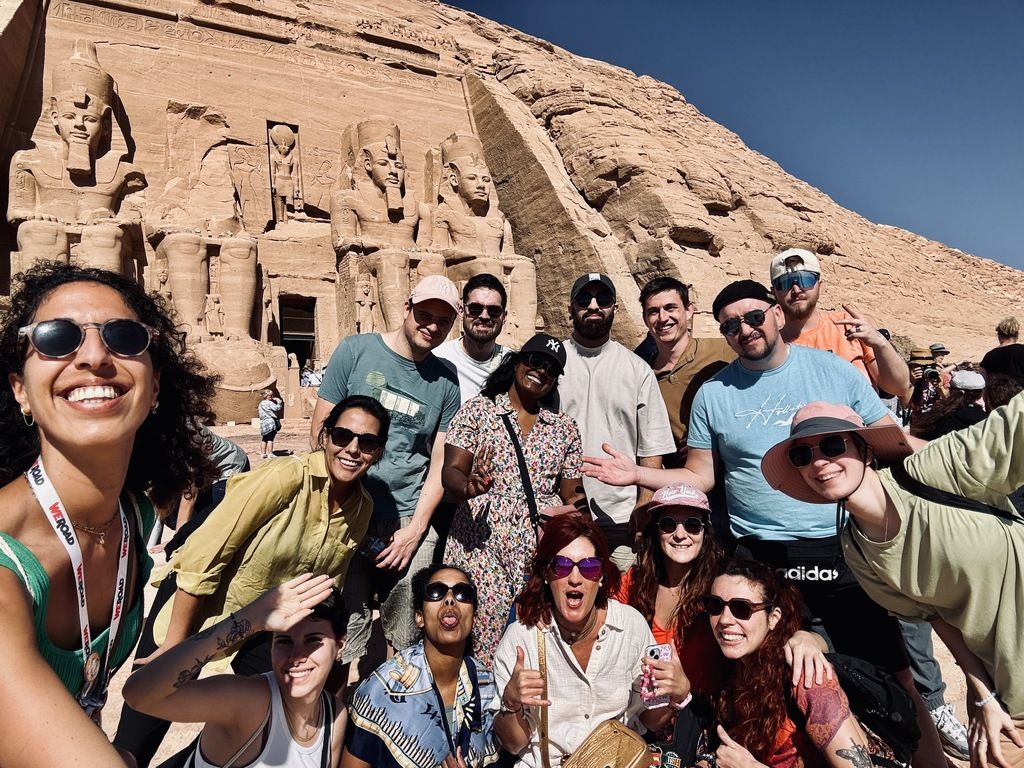
Experiencing the site with others allows for shared reflection and deeper understanding. Conversations echo between stone walls, pauses of silence take on meaning, and knowledge gained collectively lingers longer. At Karnak, a place built over millennia through shared effort, discovering it together feels especially fitting.