Indonesia is not just a country — it’s a vast, living archipelago of more than 17,000 islands, each with its own rhythm, culture, and landscapes. In a destination this expansive, logistics aren’t a detail: they’re the backbone of the journey. Flying isn’t optional here; it’s essential. And chances are, you’ll be doing it more than once.
The real secret to moving smoothly across the archipelago lies in understanding which airports to use, and when. Knowing how Indonesia’s main hubs work can save you days of travel, unnecessary costs, and a lot of wasted energy — especially when travelling as a group, where coordination matters even more.
Not all airports serve the same purpose. Some are true international gateways, others function as strategic springboards to more remote regions. Understanding this difference helps you avoid backtracking and keeps your island-hopping adventure efficient, balanced, and genuinely enjoyable.
Most international journeys through Indonesia revolve around two key hubs: Jakarta and Bali. Together, they shape the flow of travel across the country.
Soekarno-Hatta International Airport (CGK) serves Jakarta and acts as the nation’s main commercial and transport hub. I Gusti Ngurah Rai International Airport (DPS), on the other hand, is the beating heart of Indonesian tourism. Choosing which of these to prioritise — or how to combine them — can make the difference between a seamless itinerary and an exhausting one.
Soekarno-Hatta International Airport (CGK), Jakarta
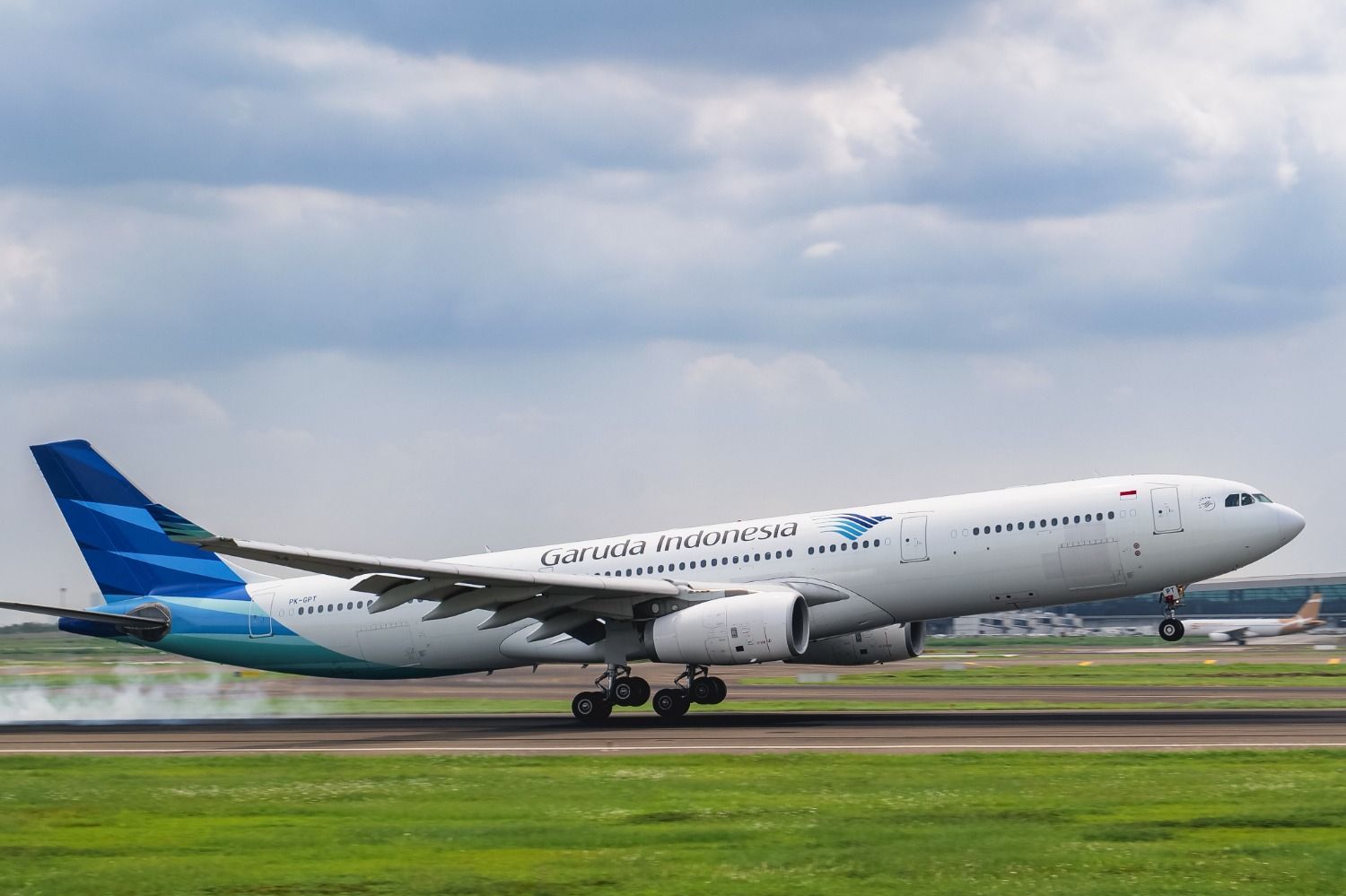
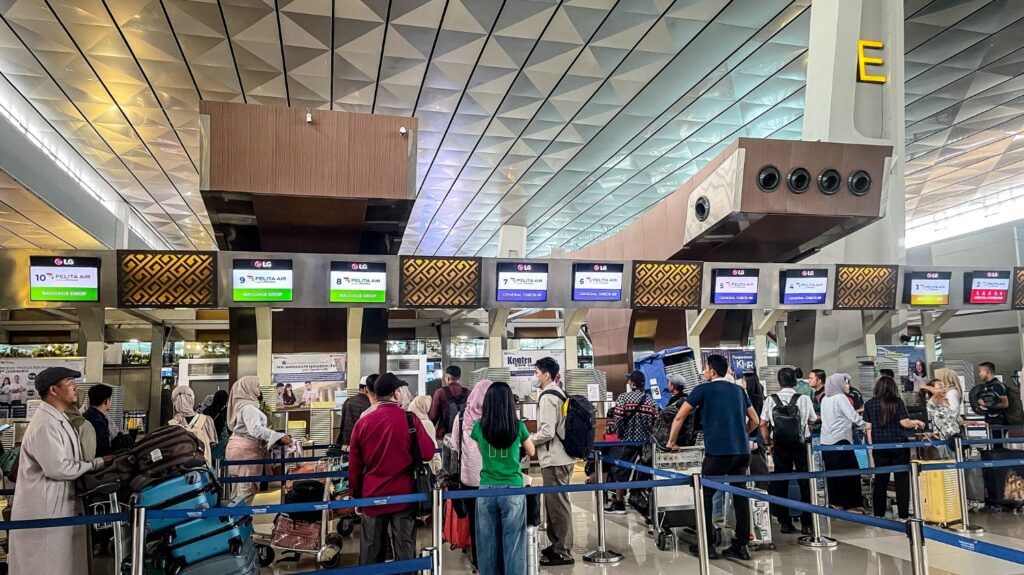
Soekarno-Hatta is the natural entry point for anyone planning to explore Java, home to nearly 60% of Indonesia’s population. Terminal 3 is the most modern part of the airport and handles most international flights, including those operated by Garuda Indonesia. Compared to older terminals, it offers clearer signage, better dining options, and a far more comfortable transit experience.
Jakarta’s biggest challenge begins after landing: traffic. For travellers short on time, the Airport Rail Link is invaluable, connecting the airport to the city centre in about 55 minutes. Taxis and ride-hailing services like Grab and Gojek are widely available, but road travel can be unpredictable.
Immigration queues can be long, especially during peak hours, so it’s wise to allow generous buffer time if you’re connecting to a domestic flight the same day.
I Gusti Ngurah Rai International Airport (DPS), Bali
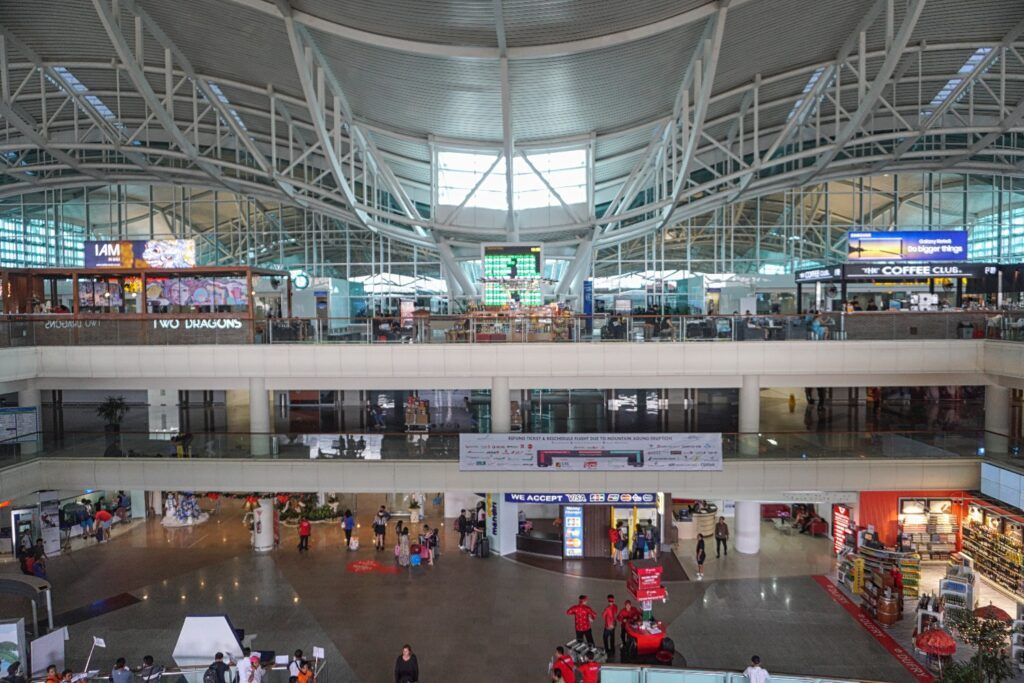
Arriving in Bali is a very different experience. DPS is Indonesia’s busiest tourist airport and the primary gateway to the island’s southern resorts, including Kuta, Seminyak, and Uluwatu. Architecturally striking, it immediately sets the tone — though the logistics can be intense.
Long immigration lines, heat, and crowds are common, particularly during the middle of the day. Once outside, travellers often face a sea of drivers and taxi offers. Pre-arranging a transfer is the simplest way to avoid delays and head straight to your accommodation.
Despite the initial chaos, DPS is an excellent base for onward travel. From here, domestic flights connect easily to Lombok, Flores (Labuan Bajo), and other eastern islands. Spending a few days in Bali before moving on is highly recommended. If you’re planning a broader route, it helps to know what to see in Java, Bali and the Gili Islands to balance your itinerary.
Strategic Secondary Hubs Across the Archipelago
Beyond Jakarta and Bali, several secondary airports play a crucial role in efficient travel planning.
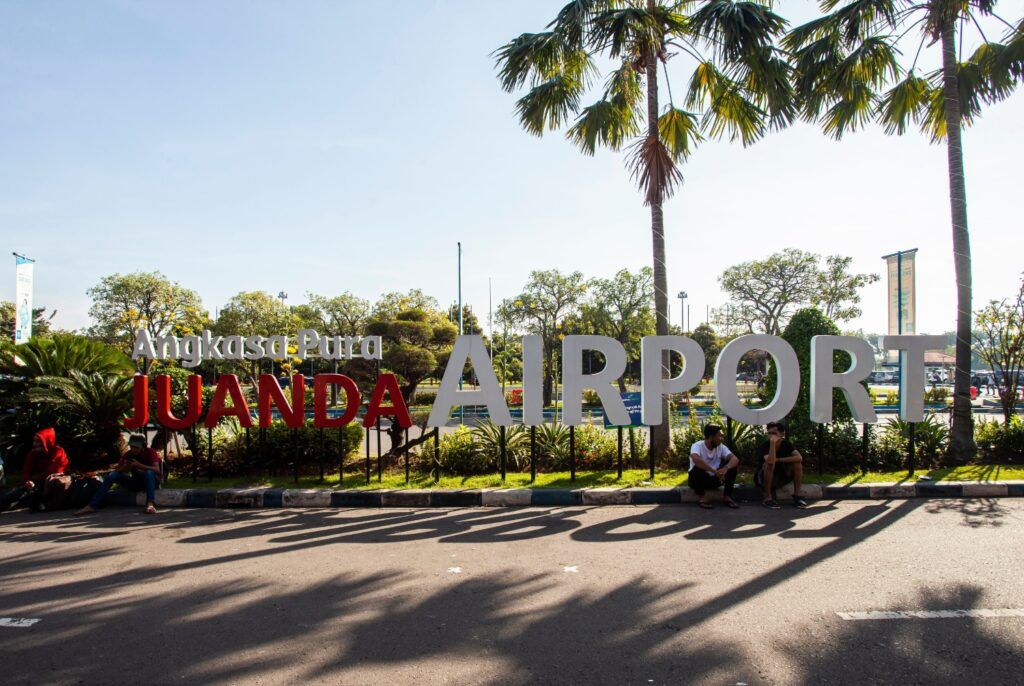
Juanda International Airport (SUB) in Surabaya is East Java’s main domestic hub. While the city itself is more commercial than scenic, SUB is the gateway to iconic landscapes like Mount Bromo and Ijen Crater, making it a common one-way exit point for Java-based itineraries.
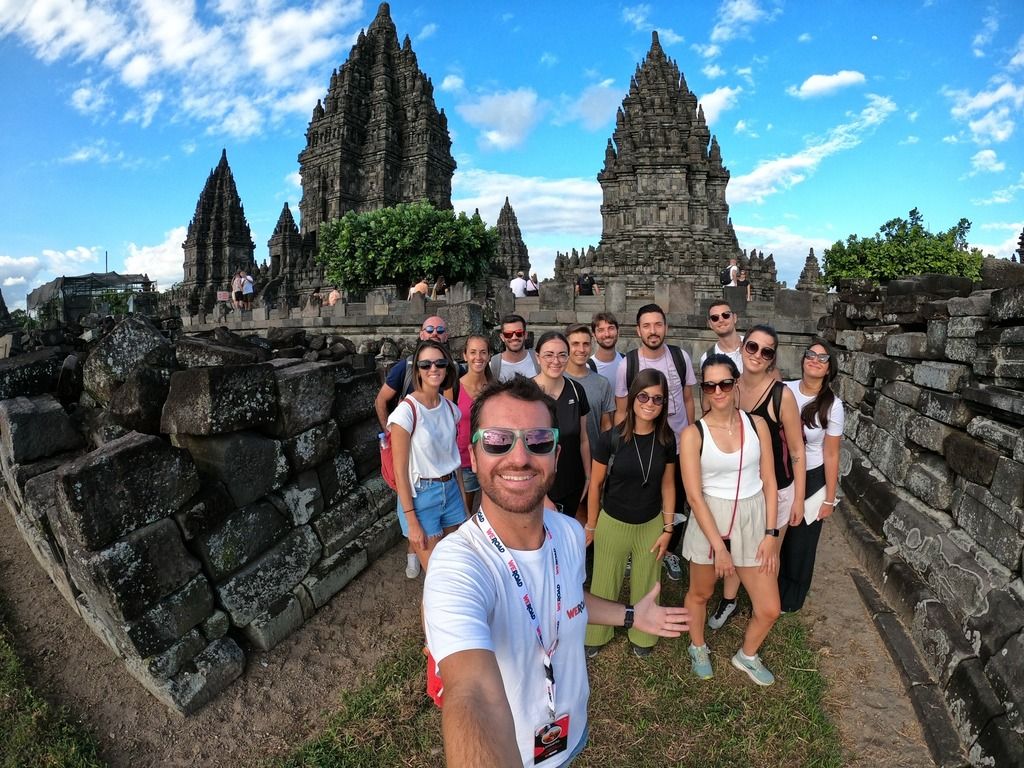
For cultural exploration, Yogyakarta International Airport (YIA) has transformed access to Central Java. Modern and efficient, it simplifies travel to Borobudur and Prambanan, particularly for routes continuing toward Bali.
Further west, Kualanamu International Airport (KNO) in Medan serves North Sumatra. While international traffic is lighter and arrivals calmer, reaching wildlife areas requires additional overland travel — a trade-off for those seeking remote jungle experiences.
Practical Tips: Domestic Flights, Transfers, and Visas
Domestic flights in Indonesia are frequent, but delays are common. When connecting from international to domestic flights — especially at CGK or DPS — allow at least three hours for immigration, baggage, and terminal changes.
Most travellers are eligible for a 30-day Visa on Arrival, but rules can change. Always check the latest indonesia visa requirements before departure. ATMs are widely available at airports and are often the easiest way to access local currency.
Join a Group Adventure for the Ultimate Island Experience
Indonesia rewards curiosity. From jungle-covered temples to volcanic landscapes and island beaches, the country constantly invites you to go further. While distances may seem intimidating, navigating them becomes surprisingly straightforward once you understand the transport hubs.
Travelling with a group can make the experience feel simpler and more fluid. With a shared itinerary and people to move with, you spend less time overthinking the next step and more time enjoying what’s in front of you—the places, the atmosphere, and the moments you’ll remember.