Published on January 19, 2026 Last updated: January 19, 2026
You don’t see it; you smell it first. The rich aroma of a fresh pan con lechón, mingled with garlic, lime, and softened onions, wafts through the narrow alleyways of Havana. Cuban cuisine doesn’t shout; it whispers. Deeply rooted in traditional home cooking, this food is a celebration of practicality, warmth, and comfort.
The basis of Cuba’s kitchen is found in Comida Criolla, a fusion food cultivated by influences from Spain, Africa, and the Caribbean. If you’re looking for the soul of the island, three staples rise above the rest: Ropa Vieja (the national dish), Moros y Cristianos (the everyday rice and beans), and Lechón Asado (the centerpiece of any feast). Together, these dishes represent the true identity of the Cuban people. But the island’s culinary map doesn’t stop here; from street-side snacks to secret family recipes, there is an entire world of flavor waiting to be uncovered. Ready to dig in? Here is your ultimate guide to the tastes of Cuba.
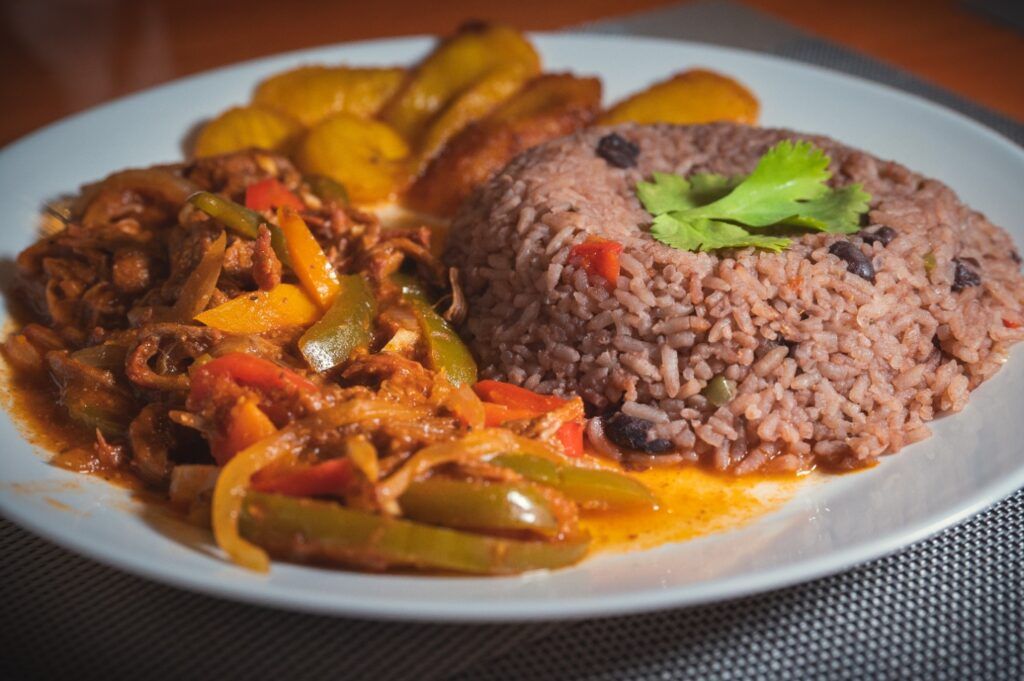
To clarify — the name translates to “old clothes,” but rest assured, it tastes much better than it sounds! Ropa Vieja consists of slow-cooked beef, shredded and simmered in a savory sauce that balances a rich broth with deep, earthy flavors. It is the ultimate comfort food for anyone seeking a hearty, traditional meal.
Preparing the meat requires patience. Chefs slow-cook the beef with bell peppers, tomatoes, onions, and garlic until it becomes tender enough to pull apart with a fork. Since meat can be a luxury in Cuba, finding it on a menu always signifies a special occasion. Typically, it is served alongside white rice, black beans, and fried plantains.
Ropa Vieja is more than just a meal; it is a centerpiece for family celebrations. Enjoy it as it was meant to be: a rich, flavorful dish made even better by the company at your table.
The Staple of Every Cuban Table: Moros Y Cristianos
Hardly any dish embodies the island’s spirit like Moros y Cristianos. This iconic staple is a study in contrasts, representing black beans (Moors) and white rice (Christians) coexisting on a single plate.
Legumes and grains compose this staunchly Cuban dish. Unlike Congrí, where the chef cooks the beans and rice together, here they often remain separate until the moment of service. The beans cook slowly with garlic and spices until the broth becomes thick and silky, then the cook spoons them over white rice. It’s one of the most reliable answers to what to eat in Cuba, especially for travelers.
Pro Tip: You’ll find it everywhere, from Havana’s paladares to remote mountain villages. It pairs perfectly with almost any protein, making it the ultimate backbone of the Cuban diet.
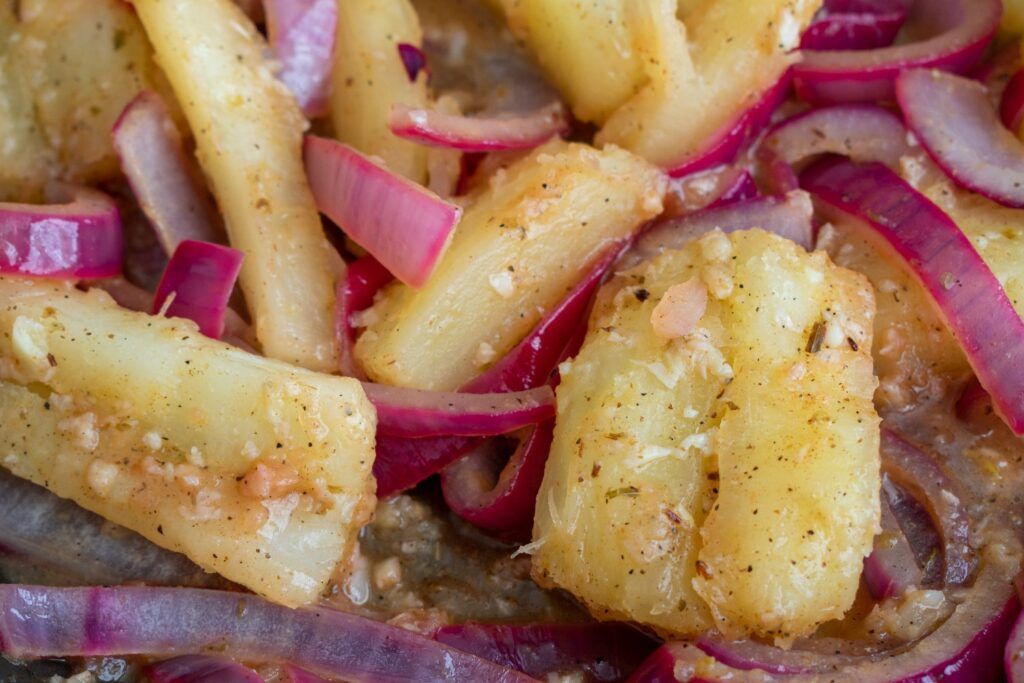
Feast on Lechón Asado and Yuca Con Mojo
Lechón Asado, the crown jewel of Cuban cuisine, is a sensory experience that defines the island’s celebratory spirit. You haven’t truly experienced Cuba until you’ve shared a roast pig—a centerpiece that brings families together for every major holiday and birthday.
The secret lies in the marinade: a potent mix of garlic, salt, and bitter orange juice. The pig is slow-roasted over an open fire until the skin (the chicharrones) becomes perfectly crackly and golden. It’s served with Mojo sauce—a zesty blend of oil, crushed garlic, and citrus that Cubans often call the “stuff of life.”
Insider-Tipp: Complete your culinary pilgrimage with a trip to Viñales. Dining on spit-roasted delicacies under the shadow of the prehistoric mogotes is more than just a meal; it’s an authentic highlight of any trip to Cuba.
The Mystery of the Authentic Cuban Sandwich
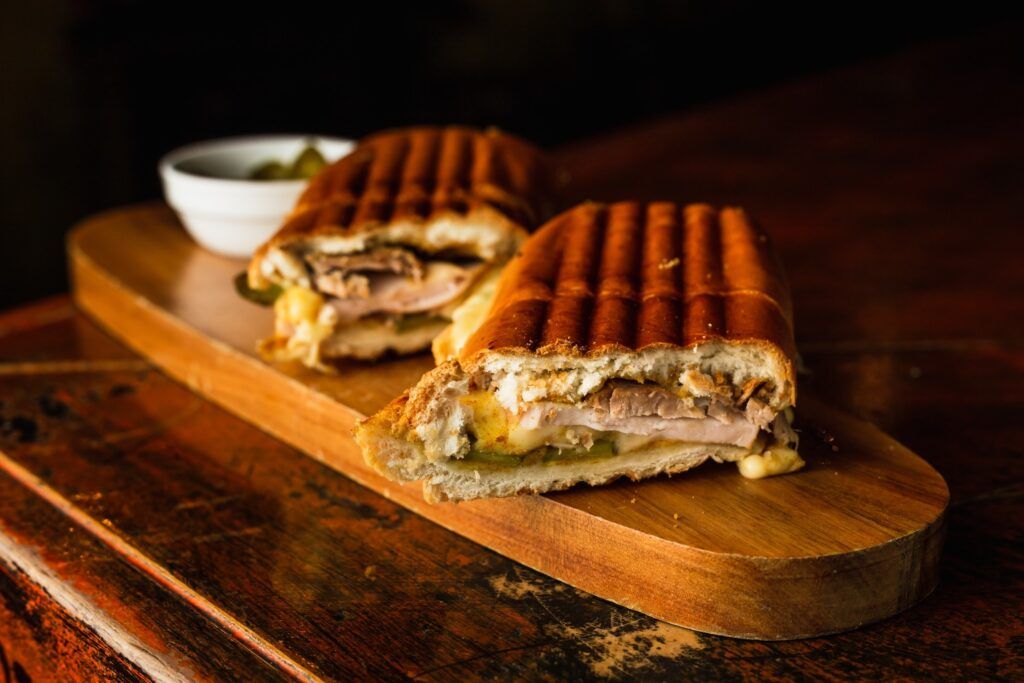
There are few culinary debates as heated as the origin of the Cuban Sandwich. While versions in Miami or Tampa often stir controversy with pickles or salami, the island’s original is a masterclass in simplicity.
A true Sandwich Cubano is all about the bread—a crusty white loaf made with lard, ensuring a soft, airy interior and a golden exterior. The ingredients are pressed and grilled until the cheese melts into the roasted pork and ham, creating a perfect, warm crunch. In Cuba, this isn’t just a “food adventure”; it’s the ultimate fuel for the day. You’ll see locals grabbing one from a ventana (a small window-front eatery) for a quick, cheap, and deeply satisfying lunch.
Street Food Gems: From Croquetas to Churros
Street food in Cuba is the ultimate soul fuel for travelers. These are the quick, handheld treats that keep you going as you navigate the vibrant, sun-drenched streets of Havana or Trinidad.
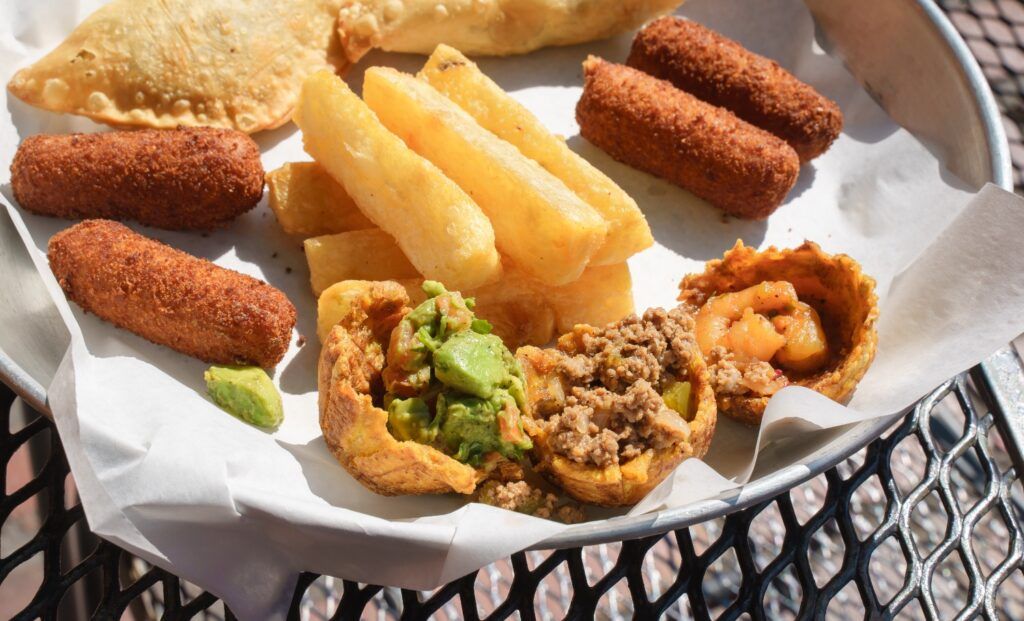
The Croqueta is the king of Cuban snacks. Vendors pack these small, deep-fried rolls with ham or chicken pâté, delivering a savory protein punch in every bite. Locals usually serve them in a simple paper cone, making them the perfect companion for a long walk through the city’s hidden plazas.
For something more substantial, look for Pizza Cubana. Forget the thin, crispy Italian crust; the Cuban version is soft, thick, and intentionally doughy. It’s topped with a distinctively sweet tomato sauce and a generous layer of local cheese. Fold it in half—as the locals do—and enjoy a satisfying meal that costs just a few pesos. It’s a humble, delicious reminder that you don’t need a gourmet kitchen to have an authentic culinary experience.
To end on a sweet note, follow the scent of frying dough to a Churro vendor. These crispy, golden treats, dusted with sugar, taste best while they are still warm and you soak in the tropical atmosphere.
Insider Tip: Always keep some small CUP (Cuban Pesos) change in your pocket. Most local street vendors won’t accept large bills or foreign currency, and having the right change makes the experience much smoother.
Sweet Endings: Flan and Tropical Fruits
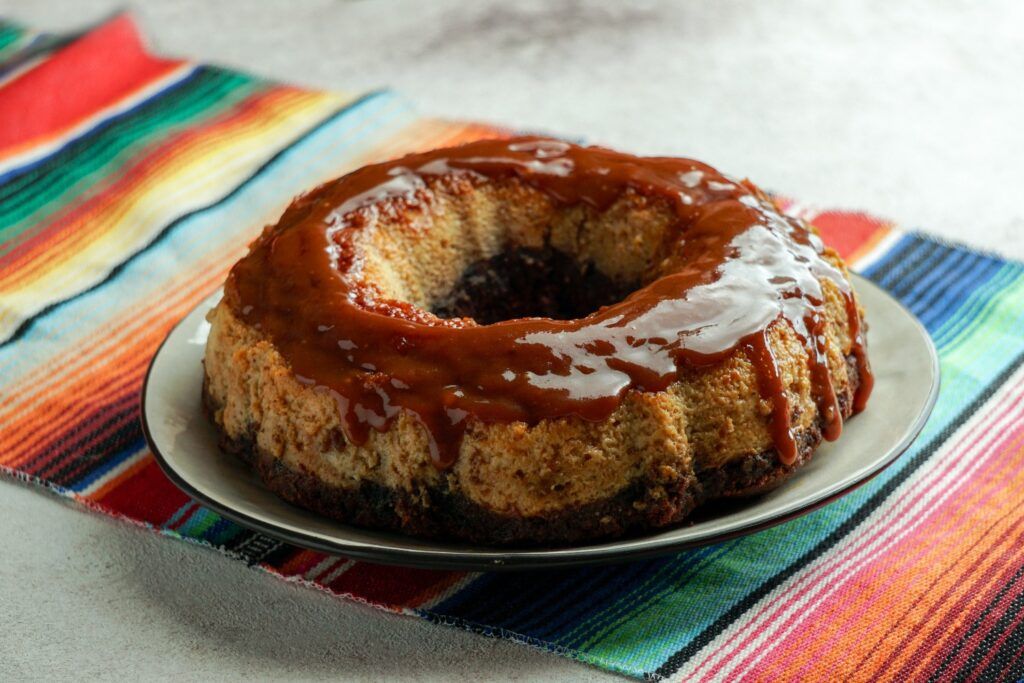
Dessert in Cuba is a masterclass in simplicity, providing a refreshing finish to the island’s bold, savory main courses. At the heart of every menu is Flan, the Cuban take on crème caramel. Its texture is incredibly velvety, blending eggs, sugar, and sweetened condensed milk into a silky, indulgent treat. Served chilled, it is a true blessing at the end of a sun-drenched Caribbean day.
Beyond the classics, the island’s bounty of tropical fruits takes center stage. Depending on the season, you’ll find honey-sweet mangoes, vibrant papaya, and fragrant guava. A local favorite is the “sweet and salty” pairing of Guava paste with cheese (known as Casquitos de Guayaba). The creamy, slightly salty cheese perfectly balances the firm, sugary fruit paste, creating a surprisingly sophisticated flavor profile.
The beauty of Cuba’s dessert tradition lies not in complex techniques, but in the purity of local ingredients. Whether you choose a decadent flan or a fresh fruit platter, it’s the perfect excuse to linger at the table, enjoy a strong Cuban coffee, and soak in the final notes of an authentic meal.
Where to Eat: Paladares vs State Restaurants
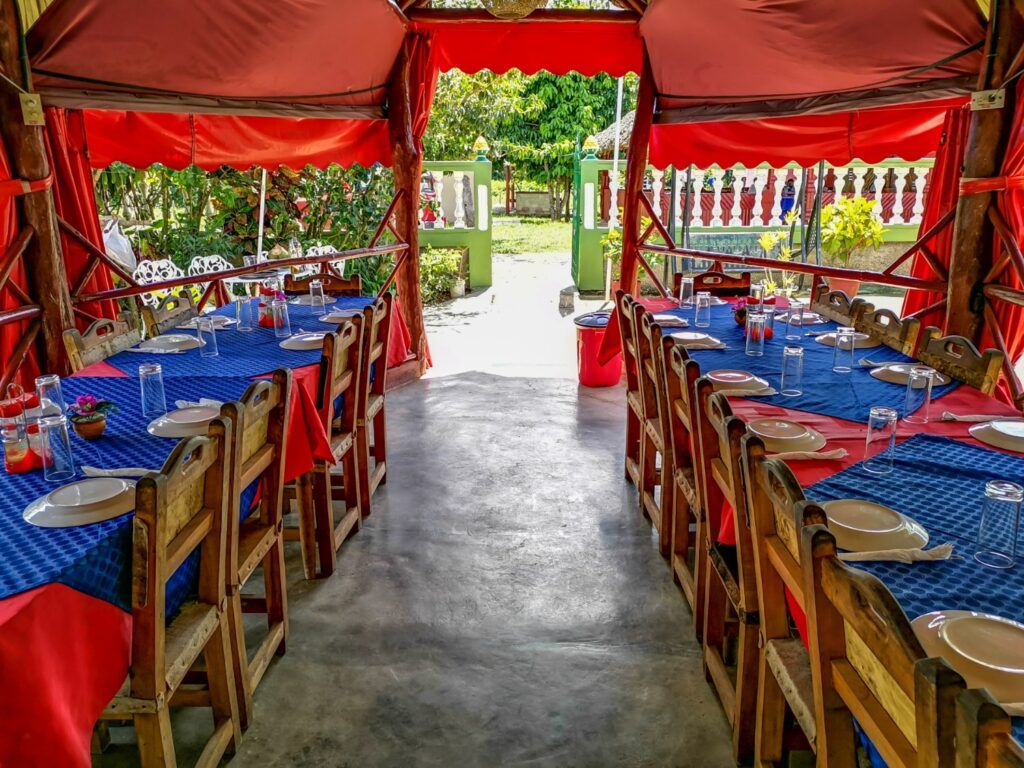
Generally, there are two types of eateries in Cuba: state-run establishments and paladares. While government-operated spots offer a glimpse into official life, they often feature standardized menus and more formal, slower service. Paladares, on the other hand, operate as private businesses that local families run with passion. These spots are the heart of the island’s food scene, where the pride of the owners shines through in every soulful dish and attentive gesture.
Locals often joke that a great paladar is the quickest route to a “food coma“—a testament to the generous portions and life-changing flavors you’ll encounter. Finding the right family-run gem can turn a simple dinner into the highlight of your trip.
For the most authentic connection to Cuban life, look beyond traditional street-front restaurants. Casas particulares (private guesthouses) hide some of the best meals in Havana and beyond. Many hosts offer incredible home-cooked meals that far surpass professional kitchens. For a truly genuine experience, book a stay in a local home and opt for the dinner prepared by your hosts; it is often the most honest and delicious food on the island.
Why Sharing a Cuban Meal Is the Heart of the Journey
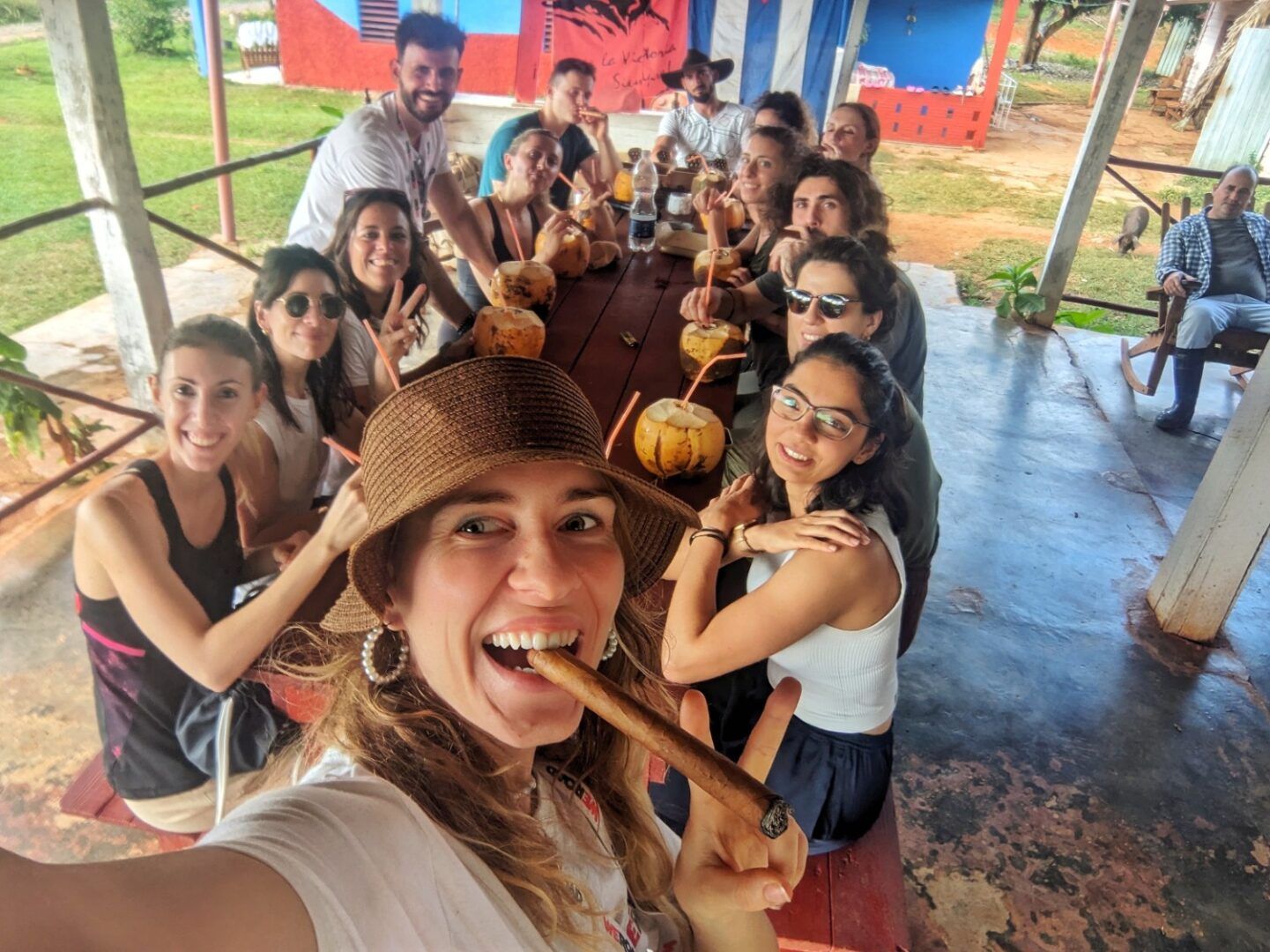
The best meals in Cuba aren’t just about the ingredients—they are about music, conversation, and community. Around the table, you might hear the distant bands in a nearby courtyard while laughter bounces between guests. This is true slow food. Here, locals season every dish with a story and serve it with a smile.
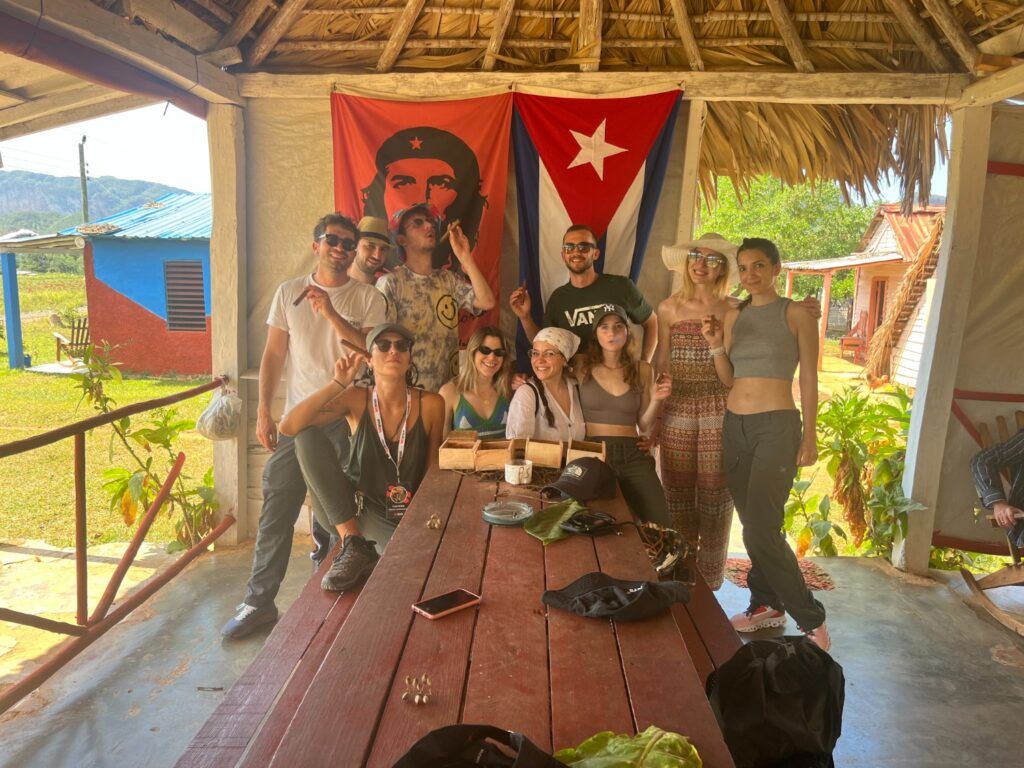
Food forges a powerful connection between travelers and locals. Whether you are passing a plate of maduros (sweet fried plantains) in a Havana paladar or tasting raw honey on a farm in Viñales, these shared moments are what make the island’s culture so resilient and full of life.
Ultimately, a meal here is an introduction to the island’s soul. Whether you’re uncovering a “hidden” spot down a narrow back street or sharing a home-cooked feast in Sumidero, you are creating bonds that enrich every bite. To experience this side of the island to the fullest, joining a group travel to Cuba is the best way to get closer to the people, the stories, and the tables that make it all happen. If you’re ready to dig in, check out our Cuba travel itineraries and start planning your next adventure.