Published on February 6, 2026 Last updated: February 6, 2026
Brazil is a continental giant where one region’s rainy season can be another’s peak sun. To truly experience its soul, you need to sync your journey with the country’s unique rhythms. From the equatorial heat of the Amazon to the rolling dunes of the Northeast, the climate shifts dramatically across five major regions.
The perfect timing for your trip depends on what you are chasing. If you are dreaming of white-sand beaches and the electric energy of Carnival, aim for the months between December and March. However, if you are a nature enthusiast hoping to spot jaguars in the wild, the dry winter from July to September is your best bet. Every month offers a distinct flavor of this vibrant South American heart; you just need to choose yours. Dive into this guide to discover the perfect moment for your adventure and ensure you don’t miss a single highlight of this tropical paradise.
A month-by-month guide to Brazil’s climate and highlights
January: the peak of the tropical summer
January is widely considered the hottest month in Brazil, with temperatures frequently soaring between 30°C and 40°C. The humidity is high, creating that classic, lush atmosphere across the country. In the south, Iguazu Falls reaches a full, thunderous torrent due to summer rains—the sheer volume of water is an unforgettable sight. While the Pantanal and Amazon are heavily flooded, the coastal areas offer a different vibe. The beaches are at their most energetic; locals and travelers alike flock to the shore to embrace the sun-soaked days and balmy nights.
February: summer heat and the pulse of the jungle
February marks the height of the tropical summer in Brazil. Along the coast, from Rio to the Northeast, the weather is consistently hot, with temperatures frequently reaching 35°C (95°F). You should expect high humidity and the characteristic “summer rains”—short, heavy afternoon downpours that clear the air and offer a momentary escape from the heat. It is a month of bright, long days, perfect for those who want to experience the true Brazilian beach culture.
While cities like Rio, Salvador, and Recife vibrate with the energy of Carnival (which in 2026 takes place from February 13–18), the rest of the country offers a different kind of intensity. In the Amazon, the rainy season is in full swing. This is the best time for water-based exploration: the rivers rise so high that you can navigate through the igapós (flooded forests) in a canoe. This high-water level brings you eye-to-eye with the canopy, making it the ideal window to spot monkeys, sloths, and tropical birds from a unique, floating perspective.
March: high humidity and lush landscapes
In March, the intense summer heat begins to break, but humidity remains at its peak. This keeps the landscapes incredibly lush and emerald green, though you should still expect frequent tropical showers. In the Amazon, the rivers reach their highest levels; while this makes some trails inaccessible, it is the best time for boat navigation. The slightly dipping temperatures (averaging 28°C) make exploring cities like Manaus more pleasant, allowing you to enjoy the Amazon Opera Festival without the sweltering heat of midsummer.
April: the start of the “Golden Window”
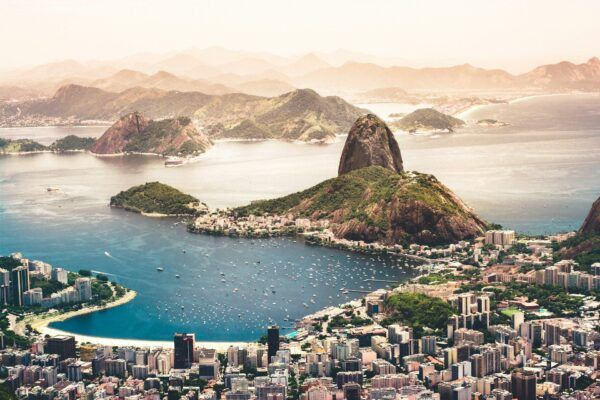
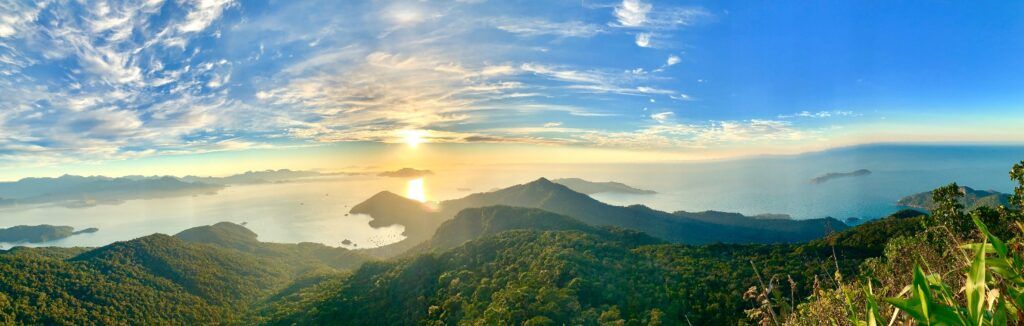
April is one of the best months for travel as the heavy summer rains finally ease in central and coastal Brazil. The air becomes crisper and the sky clearer, marking the ideal time for outdoor adventures. With temperatures hovering around 25°C and lower humidity, the coastal mountains—like those in Rio or Ilha Grande—become much more comfortable for trekking. It is the perfect balance: the land is still green from the rains, but the weather is stable and dry.
May: the dry season takes over
May marks the official arrival of the dry season in the interior of Brazil. Across the heart of the country and the Pantanal, the rain stops and the vast wetlands begin to drain. You can expect deep, cloudless blue skies and very mild daytime temperatures, while the nights start to feel refreshingly cool. It is the most comfortable month for long-distance travel, as the humidity drops significantly, making the heat of the Cerrado (savannah) much more manageable.
June: a divided climate
June highlights the vastness of Brazil’s climate: while the North remains tropical and warm, the South and Southeast enter winter. In Rio, temperatures become mild and pleasant (around 22°C), perfect for sightseeing without the summer sun. However, in the Northeast, this is often the rainiest month, so beach-goers should head further North. Across the country, the cooler evenings are celebrated with the Festas Juninas, where bonfires and traditional food match the crisper winter air.
July: peak dry season and winter chills
July is the heart of the dry season in central Brazil, making it the premier month for wildlife spotting. In the Pantanal, the lack of rain forces animals to congregate around the remaining water sources. While the days are sunny and warm, be prepared for cold fronts in the South, where temperatures in towns like Gramado can drop near freezing. If you are heading to the Amazon, the receding waters start to reveal hidden river beaches, offering a completely different landscape than in March.
August: high altitudes and strong winds
August remains the heart of the dry season in the interior, making it the premier month for hiking the great Brazilian plateaus. In parks like Chapada Diamantina, the trails are dry and the air is clear, offering endless views. Meanwhile, along the Northeast coast, the trade winds begin to intensify. These consistent breezes keep the tropical heat manageable and turn the coastline into a magnet for wind-driven exploration. It is a month of predictable, sunny weather, ideal for those who prefer the rugged beauty of canyons and high altitudes.
September: the low water and river beaches
September marks a dramatic transition as the Amazon reaches its lowest water levels. As the rivers recede, they reveal stunning white-sand river beaches that remain hidden for most of the year. This is the only time you can sunbathe in the heart of the jungle on sand that rivals the coast. In the Pantanal and Cerrado, the dryness continues, making it an exceptional time for birdwatching as the breeding season begins. The temperatures start to climb again, signaling the return of the summer heat.
October: the peak of the wind-sports
In October, spring takes a firm hold and the country warms up rapidly. While the South begins to bloom, the Northeast coast enters its most exhilarating phase: the wind-sports season reaches its absolute peak. In places like Ceará and Jericoacoara, the winds are remarkably strong and reliable, creating world-class conditions for kite-surfing. The water remains a perfect 27°C, allowing you to stay in the waves all day. It is the best month for those seeking an active, wind-swept escape on the northern shores.
November: the calm before the summer storm
November is a strategic “shoulder month” where you can enjoy the calm before the summer rush. While the first summer rains may return to the Southeast (Rio and São Paulo), they are usually brief afternoon showers that don’t disrupt travel. The Northeast, however, remains exceptionally dry and sunny. This is a smart window to enjoy the beaches without the peak-season crowds or prices; the landscape starts to turn a vibrant green again, offering a fresh, pre-holiday energy across the coast.
December: peak summer and the “Reveillon”
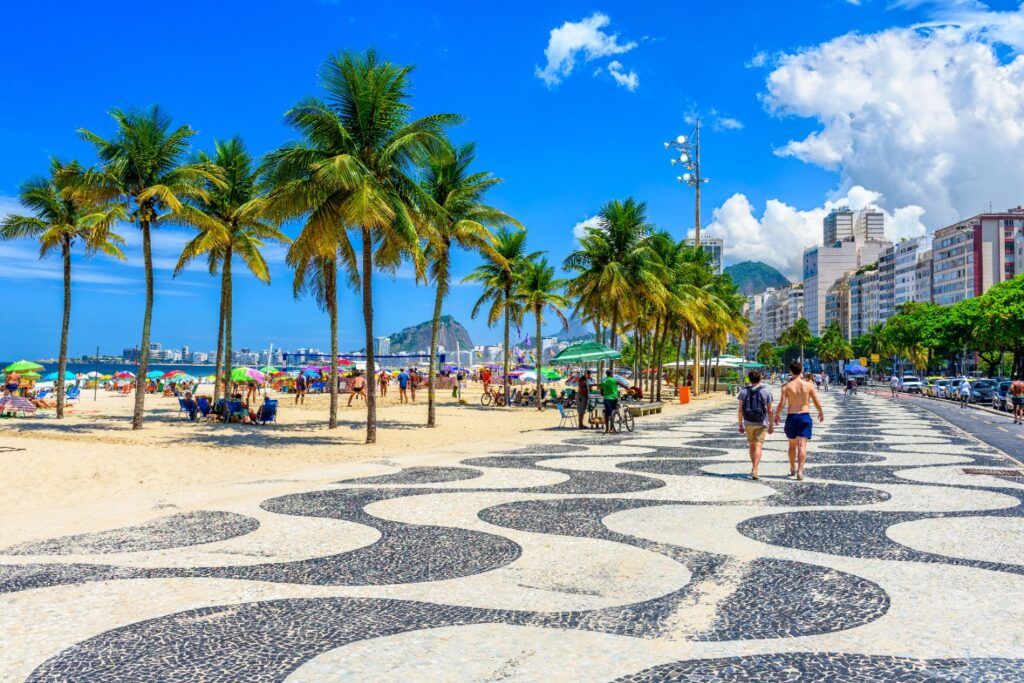
December brings the triumphant return of the tropical summer. The heat is intense, the humidity rises, and the energy across the coast becomes festive. Everything builds toward New Year’s Eve (Reveillon), especially on the sands of Copacabana, where millions gather in white to welcome the year. Expect temperatures to soar above 30°C and the sun to be at its strongest. It is a time of fireworks, music, and crowded, sun-drenched beaches—the ultimate expression of the Brazilian spirit.
Deep dive into Brazil’s top festivals and cultural events
Choosing the best time to visit Brazil often means choosing a cultural anchor for your journey. The country is a living museum of Afro-European and indigenous heritage, and aligning your travel with these landmark events allows you to witness the true soul of its people.
Carnival: the soul of the samba schools
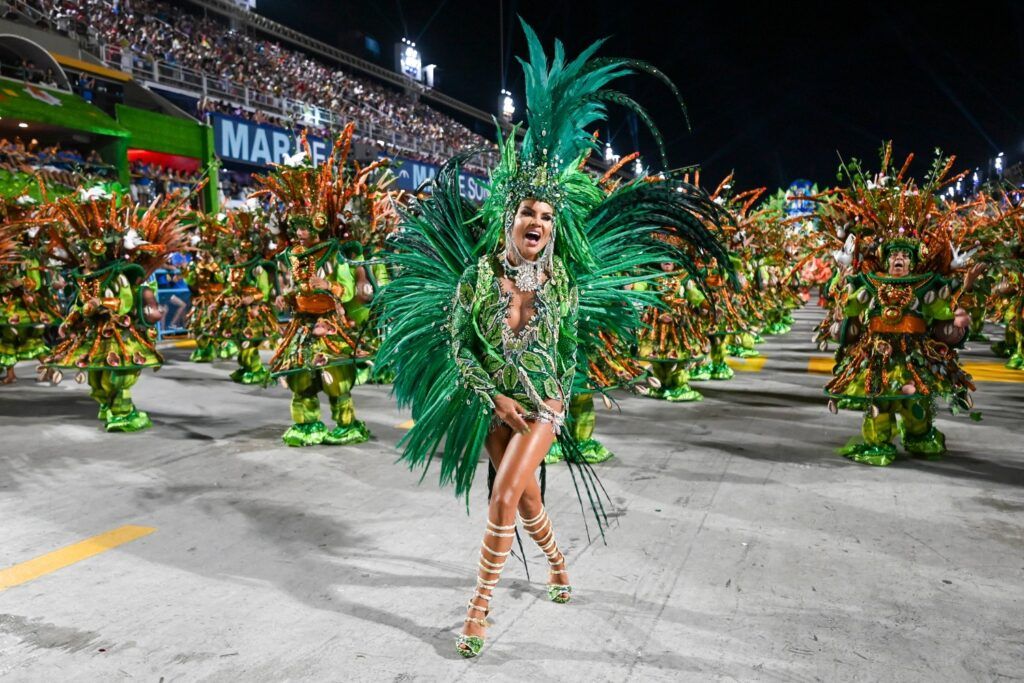
Carnival (February 2026) is far more than just a massive street party. While the world watches the glitter, the real cultural weight lies with the Samba Schools. These are community hubs—often based in the favelas—representing specific neighborhoods. Throughout the year, thousands of volunteers build towering floats and sew intricate costumes. The parade in the Sambadrome is a fierce competition where every drumbeat tells a story of resistance and pride.
Pro Tip: visiting a samba school rehearsal in the months leading up to February is a powerful way to see Brazilian community spirit in action.
Festas Juninas: bonfires and country traditions
In June, the focus shifts from the coast to the rural heart of the country. Festas Juninas celebrate the harvest and honor Catholic saints in an atmosphere defined by the warmth of giant bonfires. You will see the “Quadrilha“, a traditional folk dance that mimics 19th-century French ballroom styles with a peasant twist. Dancers dress as caipiras (country folk) to perform stories of rural weddings. The food is a major highlight, featuring corn-based treats like pamonha and canjica. It is a season of unity and simple joys.
Reveillon: white clothing and the sea queen
Reveillon (December 31st) is the Brazilian New Year, a spiritual spectacle that turns the coastline into a flickering sea of candles. Millions head to the beach dressed entirely in white, a tradition rooted in Afro-Brazilian religions like Candomblé to symbolize peace. The most moving ritual involves offerings to Iemanjá, the Queen of the Sea. Devotees launch small wooden boats filled with flowers and perfume, asking for protection for the coming year. It is a moment of profound collective hope.
Parintins Festival: the magic of the Amazon
Held in June, the Parintins Festival is one of the most unique folk celebrations on the planet. Deep in the Amazon, two teams—Boi Garantido (red) and Boi Caprichoso (blue)—engage in a theatrical duel known as Boi-Bumbá. For three nights, the Bumbódromo stadium fills with indigenous rituals, giant puppets, and legends of the jungle. It is the second-largest festival in Brazil and a must-see for those seeking pure, untamed folklore.
Wildlife and nature viewing: the best time for the Amazon and Pantanal
Brazil’s two greatest biomes—the Amazon and the Pantanal—operate on vastly different rhythms. You cannot simply show up and expect to see apex predators; you must sync your arrival with the rise and fall of the waters.
Pantanal: the empire of the big cats
The Pantanal is the world’s largest tropical wetland, and its life cycle is defined by a dramatic dry season. From July to September, the region enters its peak dryness. This is the absolute best time for jaguar spotting. As interior lagoons vanish, these elusive cats are forced toward the main riverbanks to hunt caimans and capybaras. The thinner vegetation also makes it much easier to spot giant otters, tapirs, and anteaters. It is a photographer’s paradise with clear skies and wildlife concentrated around the few remaining water sources.
Amazon: high water vs. low water
The Amazon is best understood through its water levels rather than seasons:
High Water (May to June): the forest floor disappears under several meters of water. This is the peak for boat exploration. You can paddle a canoe through the “igapó” (flooded forest), bringing you eye-to-eye with the canopy wildlife, such as sloths, monkeys, and exotic birds.
Low Water (September to October): as the rivers recede, the hidden jungle trails emerge. This is the hiking season. It is also when stunning white-sand river beaches appear, and wildlife like caimans and pink river dolphins become concentrated in the narrow channels.
Beach weather and trade winds: timing for the northeast coast
The Northeast coast of Brazil feels like a different country. While the south experiences winter, the Northeast remains a tropical haven. If you are planning to follow the “Route of Emotions”, your timing must be precise to see the natural wonders at their peak.
Lençóis Maranhenses: the full lagoon window
This surreal landscape of white dunes forms thousands of crystal-clear lagoons from rainwater. These pools are seasonal: the best time to visit is between May and August. By October, many lagoons will have evaporated. To swim in the iconic emerald waters against the white sand, you must arrive shortly after the rainy season ends.
Northeast trade winds: the kite-surfing magnet
From August to November, the coast becomes a global hub for wind sports. The consistent trade winds blow steadily across states like Ceará and Piauí, creating world-class conditions for kite-surfing. Even if you aren’t a surfer, the cooling breeze makes the intense tropical sun much more comfortable.
Your Brazilian story depends on your timing
Choosing the best time to visit Brazil is about more than just weather; it’s about the sun on your skin in a Rio summer or the profound silence of the Pantanal at dawn. This country is too vast to be seen alone. A shared adventure allows you to witness the magic of 2026’s Carnival or trek through the dunes with a community that shares your wonder.
The true spirit of Brazil is found in these shared moments. Witnessing a jaguar hunt or a samba parade is amplified when you have fellow explorers to turn to in amazement. Brazil reveals its secrets to those who respect its natural cycles.
Ready to start your journey? Join one of our Brazil group travel adventures for an authentic experience and see the best of the country with a new community of friends.