Published on February 16, 2026 Last updated: February 16, 2026
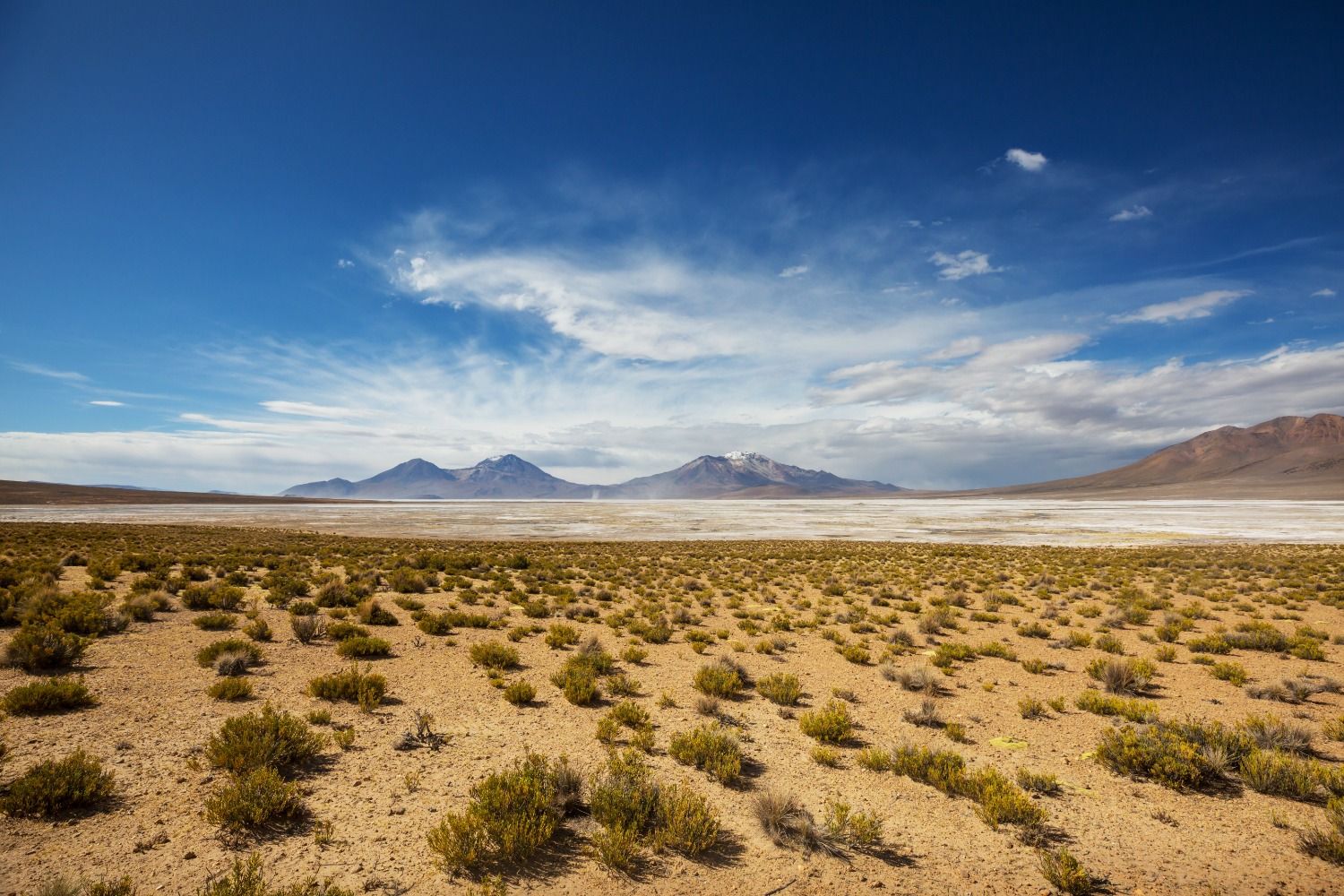
Chile is a thin strip of land that stretches across every climate imaginable — from the Atacama, the world’s driest desert, to the Patagonian glaciers that feel like the very edge of the world. Because it spans over 4,000 kilometers of latitude, the timing of your journey completely transforms the landscape you’ll encounter. You could be trekking through emerald forests one day and stargazing under the clearest skies on Earth the next, but only if you pick the right window.
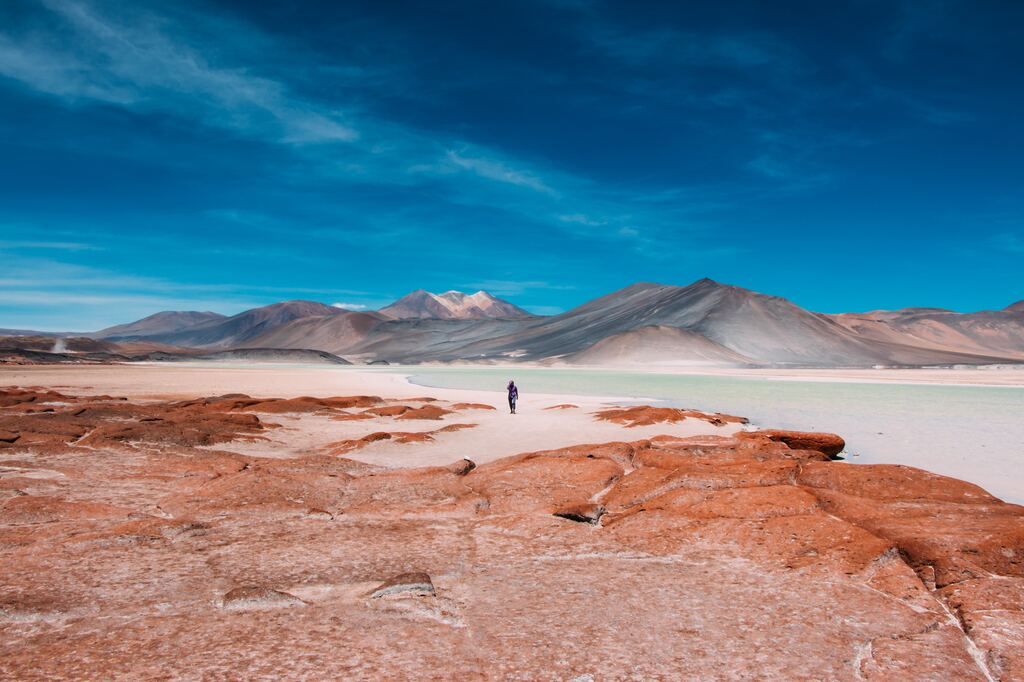
If you are planning to explore Patagonia or the central regions, the best time to visit is between October and March, when the southern spring and summer bring the wilderness to life. In Santiago, you’ll find the peak of the heat in January, with temperatures hovering around 28°C–30°C — perfect for enjoying the local wine valleys. While the central and southern territories face their rainy season during the winter months (June to August), the Atacama Desert remains dry and welcoming nearly year-round. Between April and October, you’ll find the most spectacular conditions for world-class stargazing, a must-experience for any traveler.
Topographical diversity means that “best” is entirely subjective; it’s all about deciding which version of this wilderness you want to meet. Whether you crave the raw energy of lunar landscapes or the deep green of the Lake District, timing is the lens that brings the Chilean map into focus. Ready to find out which month fits your adventure style? Read on for our month-by-month breakdown to plan your perfect Chilean escape.
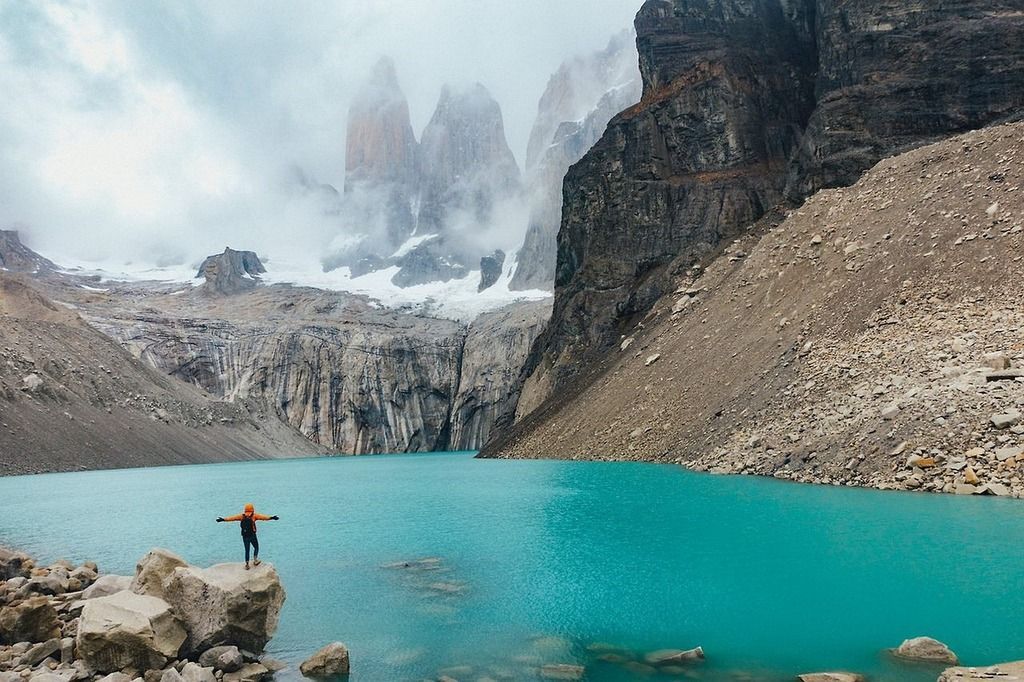
January is Chilean summer at full throttle. In Santiago, temperatures regularly push past 30°C, creating a dry heat that encourages a slower, Mediterranean pace of life. As the hottest month in the country, it’s the absolute best time for you to explore the Lake District and Patagonia. The long daylight hours — sometimes lasting until 10:00 PM in the far south — provide ample time for trekking, though you should expect the trails in Torres del Paine to be at their most crowded. Meanwhile, on remote Easter Island, the atmosphere builds with anticipation for the upcoming Fiesta Tapati, the most significant cultural event on the Rapa Nui calendar.
February: High Summer with a Softer Edge
By February, the summer heat remains, but the atmosphere takes on a more relaxed, local holiday feel. This is the prime month for beach hopping in Viña del Mar or discovering the more secluded coves of the central coast. In the south, the Valdivian Week festivities bring the river to life with parades and fireworks, celebrating the height of the season. At the same time, the Fiesta Tapati reaches its spectacular peak on Easter Island, showcasing traditional body painting, dance, and ancestral sports that turn the island into a vibrant stage.
March: Harvest Season and Cooler Days
March marks the arrival of autumn, bringing a welcome balance to the central regions. This is the official harvest month for Chile’s world-renowned vineyards, known locally as the Vendimia. You’ll find the Colchagua and Casablanca valleys buzzing with activity as towns celebrate the grape harvest with festivals and tastings. For hikers, March is often considered our “secret” best month for Patagonia; the days are cooler and more stable, and the intense summer crowds begin to thin, allowing for a more solitary connection with the wilderness.
April: Autumn Deepens and the Atacama Shines
As April progresses, the southern fjords begin to see more frequent rains, signaling the end of the traditional trekking window. However, the visual reward is immense: the Patagonian foliage erupts into brilliant shades of crimson and orange. In the north, the Atacama Desert enters its “golden window” for astronomy. The air becomes incredibly crisp and the temperatures stabilize, providing some of the clearest night skies of the year for those looking to witness the cosmos from the driest place on Earth.
May: Shoulder Season and Quiet Urban Exploration
May is a true shoulder month where the pace of travel slows and prices drop significantly across the country. In Santiago, the crisp autumn air makes for perfect urban exploration before the winter smog and heavy rains arrive. You can wander through the museums of Lastarria or the parks of Providencia in peace. In the high Andes, the first dustings of snow appear on the peaks as ski resorts begin their seasonal preparations, though the lifts typically remain closed until the heavier storms arrive.
June: Rain, Snow, and Renewal
The arrival of June marks the official start of the rainy season in central Chile, replenishing the valleys and bringing the first significant snowfalls to the mountains. This is when the ski season kicks off in world-class resorts like Valle Nevado. Culturally, June is a month of renewal, highlighted by the We Tripantu, or Indigenous New Year. Celebrated around the winter solstice, this Mapuche tradition marks the return of the sun and offers a profound look at Chile’s ancestral roots.
July: Mid-Winter and Northern Fire
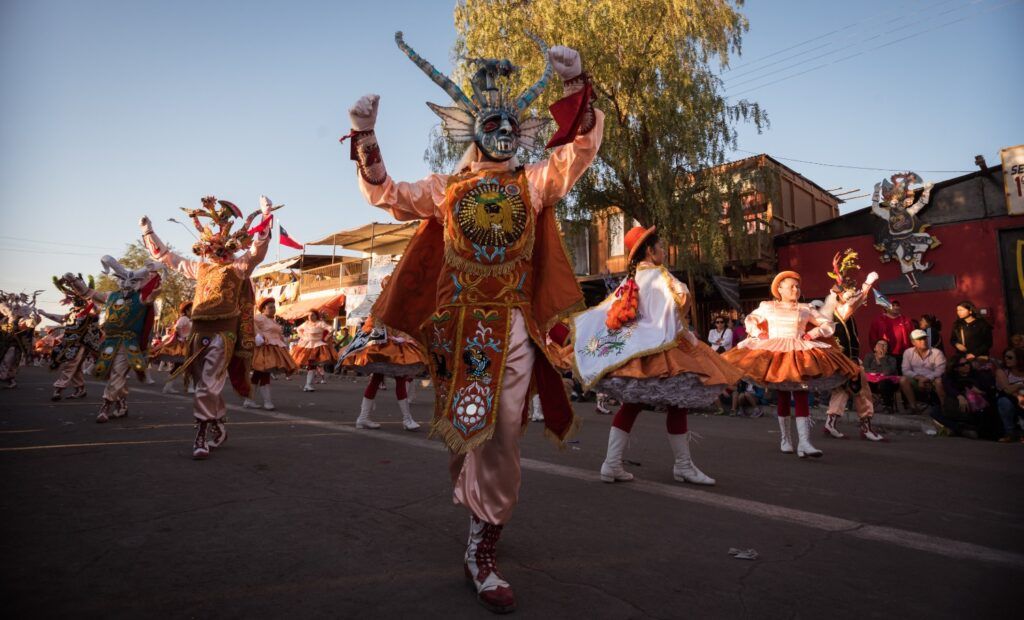
July is the heart of the Chilean winter, dominated by the snowy peaks of the Andes. While the central region is cool and damp, the high-altitude ski fields are in their prime. In the far north, however, the desert heat is replaced by a different kind of fire. The Fiesta de la Tirana, occurring every year in mid-July, is a mandatory cultural explosion. Thousands of pilgrims and dancers in elaborate masks take over the desert plateau in a rhythmic display of Andean faith and folklore that is unlike anything else in South America.
August: Clear Skies and Quiet Slopes
As winter begins to wind down in August, the northern desert remains the primary draw for those seeking the stars. The long, dry winter nights in the Atacama offer exceptional clarity for stargazing, as the atmosphere is at its most stable. On the central ski slopes, the snow cover is usually at its deepest, but the mid-winter holiday crowds have departed, offering a much calmer experience for you if you’re looking to carve through the Andean powder.
September: Spring Awakening and Patriotism
September brings a surge of energy as the first signs of spring appear in the central valleys. This is arguably the most patriotic time to be in the country, centered around September 18–19: the Fiestas Patrias. The entire nation erupts in celebration with ramadas (traditional parties), cueca dancing, and a communal feast of empanadas and grilled meats. It is a time of high energy and national pride, though the weather can remain unpredictable as the seasons transition.
October: Patagonia Reopens for Trekking
In October, the southern wilderness begins to wake from its winter slumber. This month marks the official reopening of most lodges and trails in Patagonia, as the ice recedes and the days grow longer. In the north, October can also bring a rare natural phenomenon: the Desierto Florido. If the winter rains were sufficient, the usually barren Atacama sands can transform into a sea of wildflowers — a fleeting and spectacular sight that draws nature lovers from around the world.
November: Late Spring and Wildlife
November is a month of stability and transition. While the famous Patagonian winds begin to roar across the plains, the weather is generally mild and pleasant for outdoor activities. This is an exceptional month for wildlife viewing; as late spring takes hold, baby guanacos are born on the steppes and penguin colonies in the south are at their most active. It offers the beauty of summer without the peak-season congestion that arrives in late December.
December: The Return of Summer
The year closes with the return of the sun in December. As summer officially begins, the country shifts into a festive, social mode. Christmas in Chile is a warm affair, often celebrated with outdoor asados and late-night gatherings. In the far south, it is the perfect time for boat trips through the fjords, as the receding glaciers and lush green forests are illuminated by the nearly endless southern sun, setting the stage for the peak travel months ahead.
Best Times To Visit Chile For Festivals And Events In 2026
Chile’s cultural calendar reveals just as much about the country as its dramatic geography. Festivals here aren’t mere side attractions; they are profound reflections of identity where ancestral roots meet modern energy. We’ve found that understanding these dates is crucial, as they can turn a quiet region into a vibrant hub of activity overnight.
February: The Rapa Nui Spirit at Fiesta Tapati
The year kicks off with a true bucket-list experience: the Fiesta Tapati on Easter Island. This two-week immersion into Rapa Nui culture is far more than a show; it’s a fierce competition between clans to elect an island queen. You’ll witness everything from intricate traditional body painting to the high-adrenaline Haka Pei—where men slide down volcanic slopes on banana trunks at breakneck speeds. It’s a time when ancient traditions feel most alive in the middle of the Pacific.
March: Urban Beats and Lollapalooza Chile
As autumn arrives, the energy shifts to the capital for Lollapalooza Chile in mid-March. Santiago transforms into a cosmopolitan hub of music and urban art. For us, this weekend represents the social highlight of the year. International headliners meet local craft beer culture, and the city’s creative scene spills out into the trendy streets of Providencia and Lastarria. If you want to see the modern, vibrant side of Chilean youth culture, this is your window.
July: Andean Faith at Fiesta de la Tirana
In the heart of winter, the northern desert erupts with the Fiesta de la Tirana during mid-July. This is Chile’s most significant religious festival, drawing thousands of pilgrims to the Atacama. The famous Diabladas (devil dances) are the centerpiece, featuring grotesque masks and rhythmic brass bands that create an intense, hypnotic display of Andean faith. It is a spectacle of color and sound that you will truly never forget.
September: Patriotism and the Fiestas Patrias
Finally, September brings the ultimate cultural immersion with the Fiestas Patrias. Celebrating independence on September 18 and 19, the entire nation enters a celebratory state. This is the season of ramadas—open-air dance halls filled with the scent of grilled meats and empanadas. It is arguably the most patriotic time to be in the country; every corner echoes with the national dance, the cueca, and the energy of a people celebrating their heritage with unmatched passion.
Seasonal Wildlife Windows: When To See Chile’s Natural Wonders
Chile’s wildlife operates on its own biological clock, and its movements are just as vital to your itinerary as the weather. We have found that aligning your trip with these natural cycles turns a simple vacation into a profound connection with the wilderness.
January to March: The Giants of the Deep
For those of you looking to witness the giants of the ocean, the window between January and March is unrivaled. During these months, humpback and blue whales congregate around the Chiloé Archipelago and the Strait of Magellan to feed. The summer squalls often give way to calmer seas, providing the perfect conditions for you to spot newborns frolicking in the nutrient-rich waters of the south. Watching a blue whale surface against the backdrop of a Chilean fjord is a core memory you won’t soon forget.
May to August: The Winter of the Puma
The coldest months, from May to August, offer a surprising upside for dedicated wildlife trackers. As snow blankets the high peaks of Torres del Paine, the guanacos—the primary prey of the Puma—descend to lower elevations in search of food. This seasonal migration forces the elusive mountain lions to follow, making winter the absolute best time for puma tracking. The sparse, low-lying winter vegetation and the white backdrop of the snow make these powerful predators far easier to spot than during the lush, crowded summer months.
October to March: The Penguin Colonies
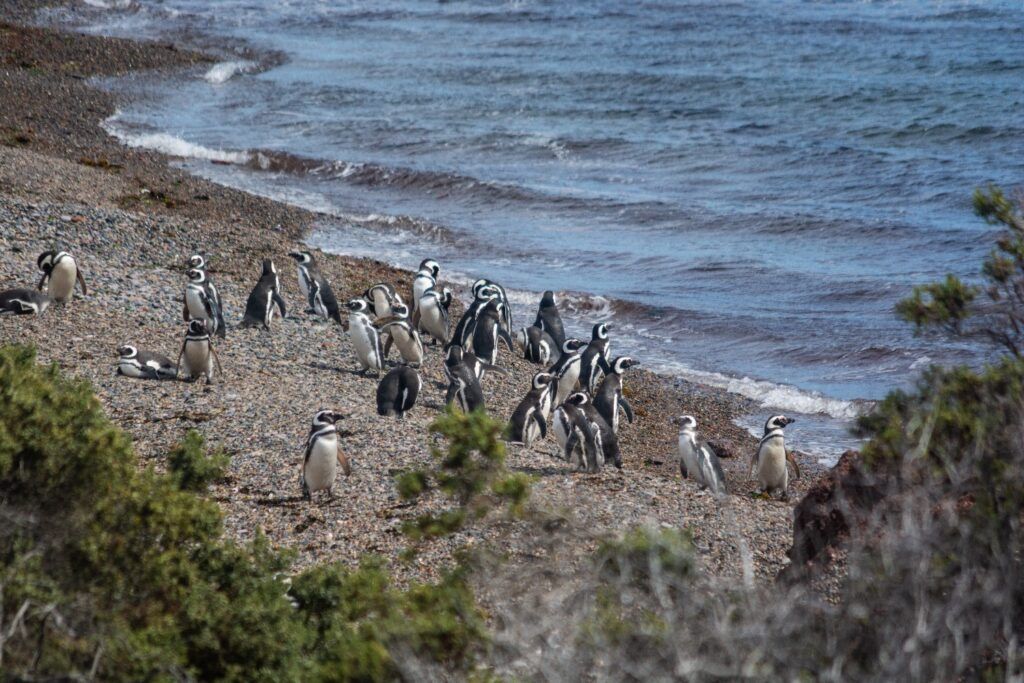
Penguin colonies adhere to a strict migratory timetable that defines the spring and summer. From October to March, Isla Magdalena becomes home to one of the largest Magellanic penguin colonies in the world. This is the peak of their breeding season, and you can witness thousands of pairs nesting and raising their chicks. It is a noisy, bustling, and heartwarming spectacle that reaches its height just before the birds head back to the open sea in the autumn.
Finding The Season That Works Best For Your Chile Trip
Choosing the right moment to visit Chile is about more than just checking a weather app; it is about deciding which version of its raw, emotional landscape you want to experience. Whether it is the relentless, exhilarating wind of Patagonia in January or the heavy, ancient silence of the Atacama under a winter moon, the country transforms with every passing month. Nature here dictates the soul of your journey, rewarding those who align their path with the earth’s natural shifts.
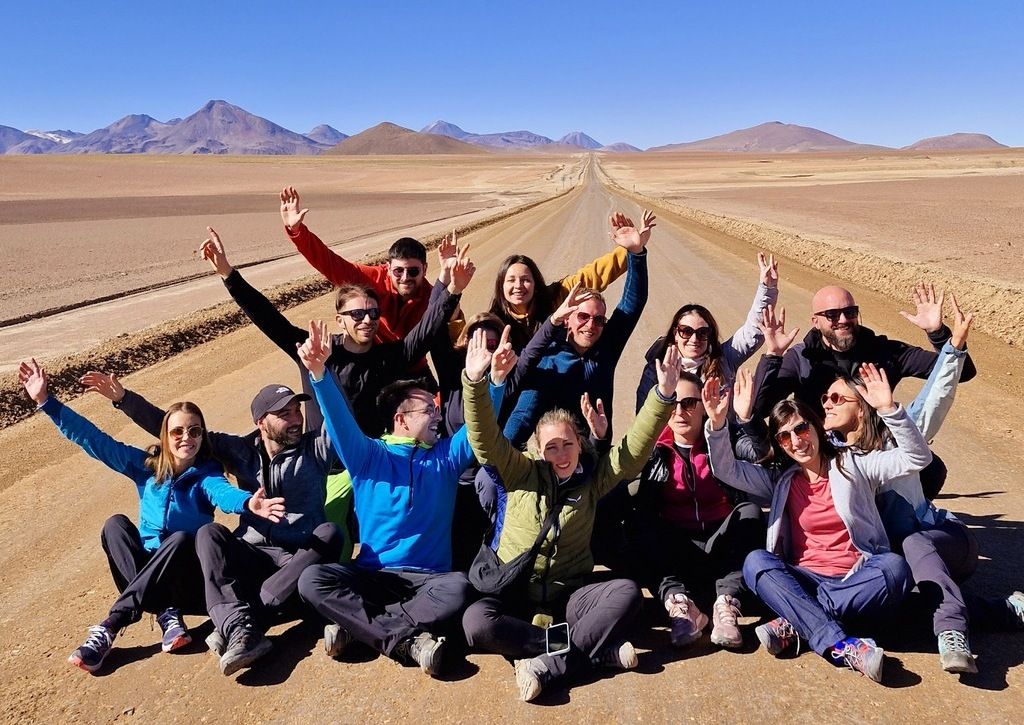
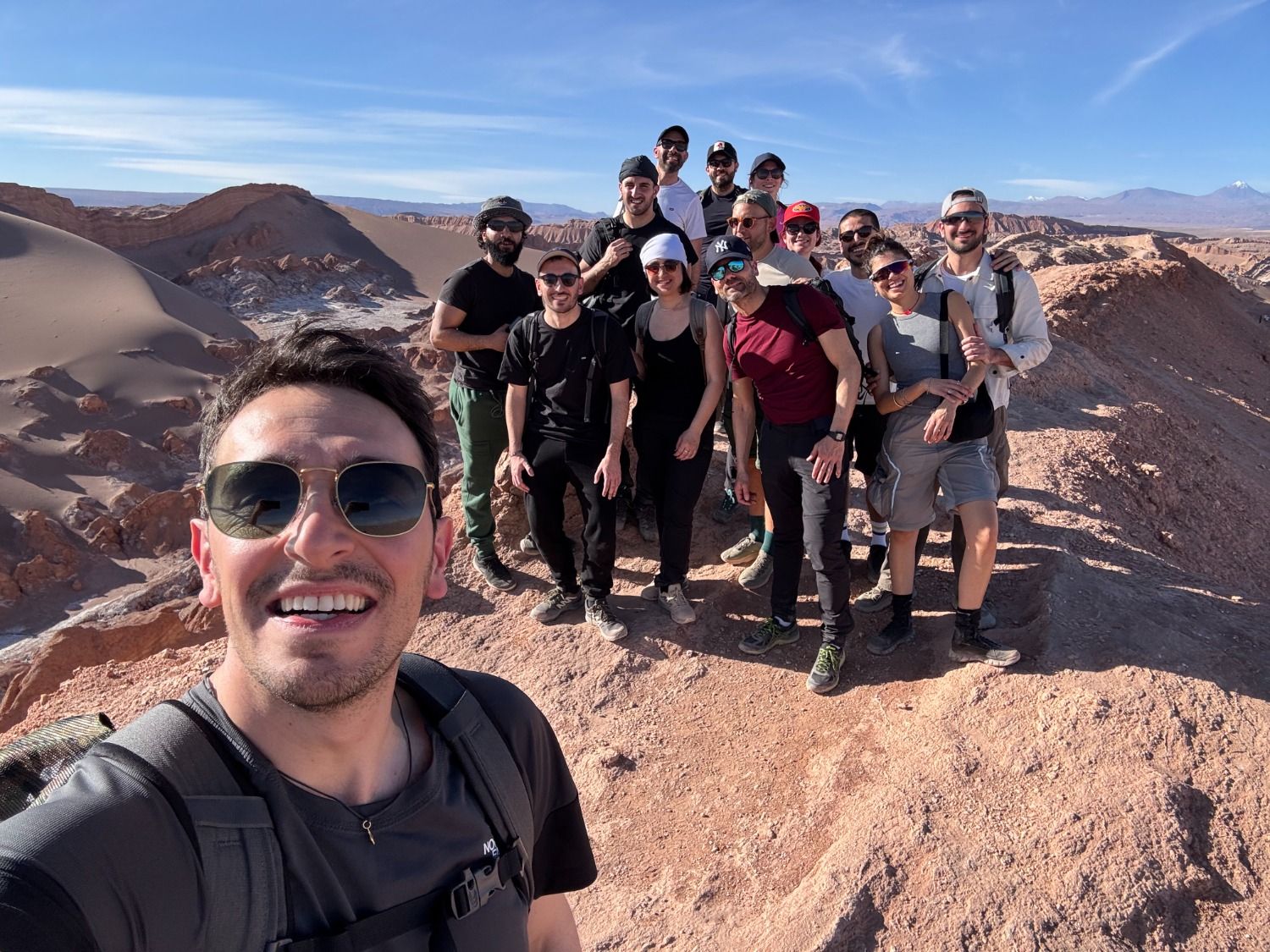
However, a country of such extreme scale and topographical diversity can feel overwhelming when explored in isolation. The true spirit of the Chilean wilderness is often best captured through shared moments. Watching a 2026 sunrise over the salt flats or sharing a hot empanada during Fiestas Patrias becomes a far richer memory when experienced with a community of fellow explorers. These moments of wonder bridge the gap between being a mere observer and truly becoming part of the landscape.
If you thrive on camaraderie and want to take on everything from sun-baked sands to frozen fjords, you may want to find your ideal Chile group travel experience. After all, the world’s most extreme landscapes are best navigated together.