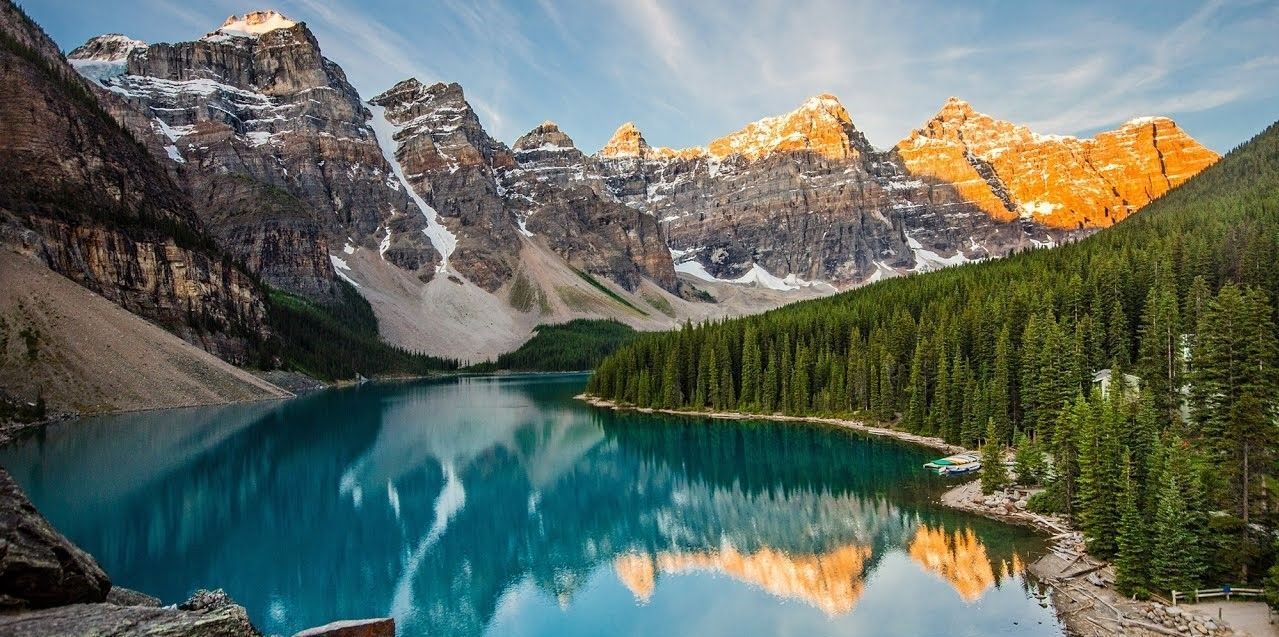
Canada’s scale is staggering; it’s a place where you can witness the first spring tulips in Vancouver while the Yukon remains locked in a deep Arctic embrace. Because of this, the “best” time to visit is subjective: if you’re chasing the sun, July is the peak, while those seeking the iconic “Maple Leaf” autumn should aim for October.
Timing is everything this year. We are currently in the Solar Maximum period, making the winter months (December to March) the absolute best for Northern Lights displays. Meanwhile, sports fans should note that from June 11 to July 19, Vancouver and Toronto will be buzzing for the FIFA World Cup. Whether you want vibrant summer festivals or the pulsing aurora of the north, this guide reveals the perfect moment for your adventure. Dive into our month-by-month breakdown to start planning your ultimate Canadian journey.
Summer heat and city life: the peak season in Canada
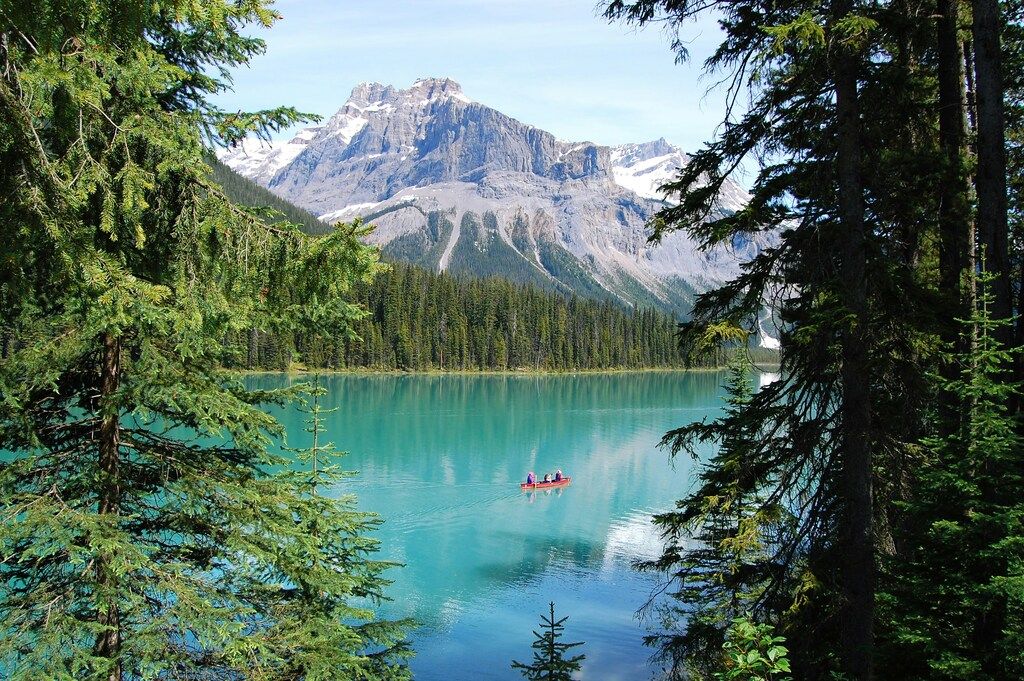
From June to August, Canada sheds its icy layers for a high-energy landscape. As the country warms, the national mood peaks alongside the thermometer; July stands as the hottest month, with southern regions like Ontario seeing temperatures climb into the high twenties. It is the season of endless daylight, where the Great Lakes sparkle and national parks become the stage for ultimate adventures.
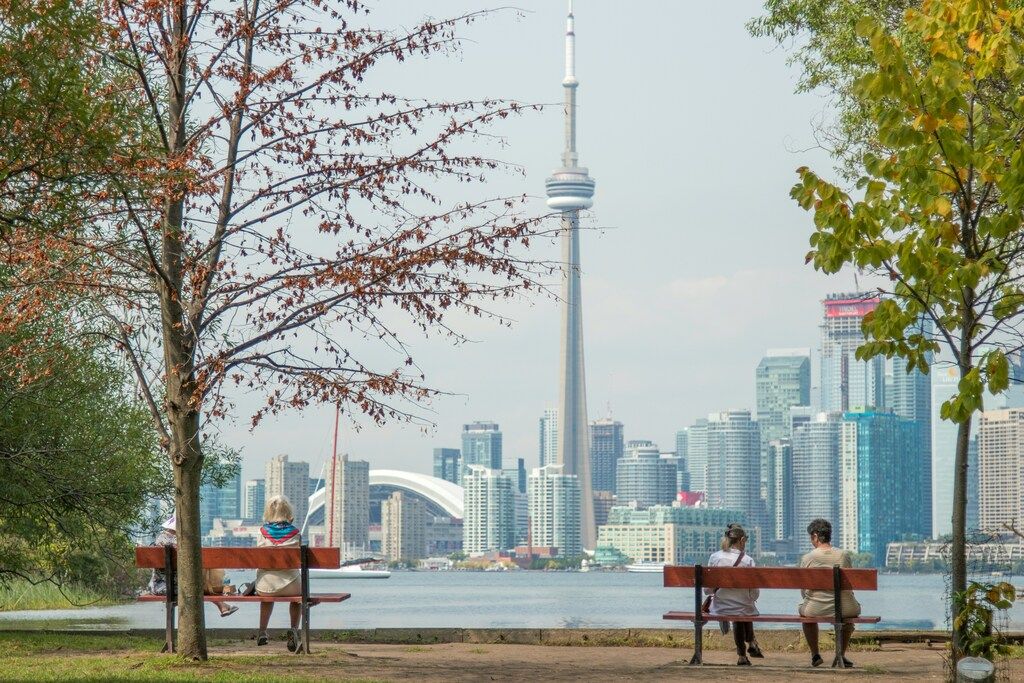
The upcoming World Cup season will be historic. From June 11 to July 19, the FIFA tournament transforms Toronto and Vancouver into global football hubs. While this brings an electric atmosphere, it also creates record-high demand. Booking well in advance is essential to join the roar of the crowd during these festivities.
Beyond the stadiums, the cultural calendar is packed. On June 21, National Indigenous Peoples Day celebrates the country’s heritage, while July brings the legendary Calgary Stampede, a ten-day celebration of western grit and rodeo skills.
Insider Tip: If you want to dodge the intense tournament crowds, look toward the Atlantic Provinces. Nova Scotia, New Brunswick, and PEI offer a rugged coastal vibe with cooler salt breezes and world-class seafood—the perfect escape from the city frenzy.
The golden shoulder: why September and October are local favorites
As the peak summer heat recedes, Canada enters what many locals consider its most stunning phase. September and October usher in the “Indian Summer,” a period of unexpectedly warm days and crisp, cool nights. This shoulder season is a favorite because it offers the perfect balance: the heavy tourist crowds have thinned, yet the landscape is at its most dramatic.
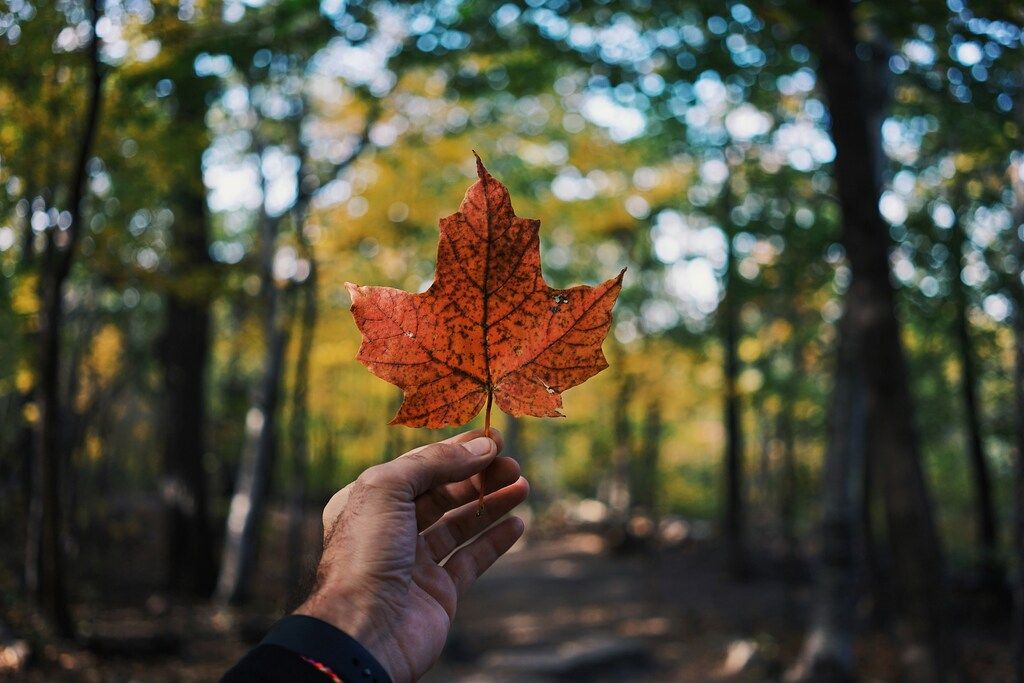
The primary draw is the theatrical display of fall foliage. While the entire country shifts hues, the most intense colors are found in Ontario and Quebec. Here, the maples turn a fiery crimson and burnt orange, transforming provincial parks into a patchwork of gold. It is a photographer’s dream and arguably provides the most scenic backdrop for a Canadian road trip.
Autumn is also a critical time for world-class wildlife encounters. On the West Coast, particularly in British Columbia, September marks the beginning of the legendary salmon run. As millions of fish battle their way upstream, they draw out the continent’s most iconic predators. This is your prime window for bear-watching, as grizzlies congregate along the riverbanks to feast before the winter chill sets in.
The atmosphere during these months is one of quiet celebration. Vineyards in the Okanagan Valley and Niagararegion are in the midst of the harvest, and local markets are overflowing with seasonal produce. For those seeking a mix of outdoor wonder and cultural richness without the mid-summer frenzy, this window is hard to beat.
Dark skies and solar peaks: Canada in November and December
While you might think of late autumn as the “off-season,” November is actually the premier window for one of nature’s greatest spectacles: polar bear watching in Churchill, Manitoba. This is the exact moment when the bears gather along the Hudson Bay coast, waiting for the ice to form. It’s your best chance to see these giants up close before they disappear onto the frozen sea to hunt.
As December arrives, the atmosphere shifts from wild frontiers to festive charm. Montreal transforms into a winter wonderland with its world-renowned Christmas markets, blending European flair with a cozy North American spirit. However, the real draw for this year lies in the heavens.
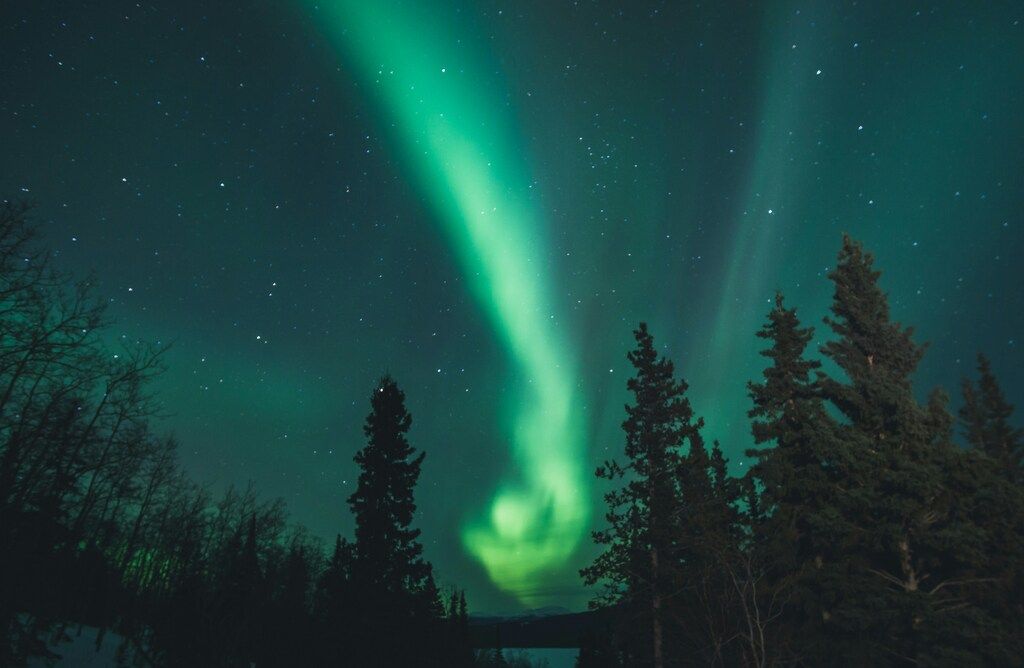
We are currently at the 2026 Solar Maximum peak, a rare celestial event where solar activity is at its highest in over a decade. This makes the upcoming winter season the absolute best time for aurora hunting. You can expect the Northern Lights to appear more frequently and with greater intensity, painting the northern skies in vibrant greens and purples.
Insider Tip: If you’re looking for a smart way to save, November is the perfect time for a “cozy city” experience. Before the holiday rush inflates prices, you can enjoy Toronto or Vancouver at a fraction of the cost. Think world-class museums without the queues and buzzing bistros with a more intimate, local vibe that disappears once the December festivities begin.
The deep freeze: winter festivals and aurora hunting from January to March
Winter in Canada is far more than a season to endure; it is a high-octane celebration of ice and light. From January to March, the country reaches its most photogenic “deep freeze,” offering a playground for those who embrace the frost. This specific winter season is historic for sky-watchers: we are currently at the Solar Maximum peak, the height of an 11-year cycle that makes this the best time in a decade for the Northern Lights. The increased solar activity means the aurora is not just visible, but significantly more vibrant and frequent.
While the skies pulse with green and purple, the cities ignite with world-class energy. In Montreal, the electronic beats of Igloofest turn the Old Port into one of the world’s wildest dance floors—proving that Canadians know how to party in sub-zero temperatures. Meanwhile, the nation’s capital, Ottawa, hosts Winterlude, where you can admire world-class ice carvings and skate along the Rideau Canal Skateway, the largest naturally frozen rink on the planet.
For those heading to the wild frontiers of the Yukon or the Northwest Territories, the experience is transformative. Whether you are dog-sledding through the boreal forest or snowshoeing under a canopy of stars, you’ll find an infrastructure perfectly built for the extreme.
Insider Tip: For the absolute best aurora photography, plan your trip to the Northwest Territories in March. During this month, the nights remain sufficiently dark for the celestial displays to pop, but the daytime temperatures become slightly more tolerable. It’s the “sweet spot” where you can enjoy outdoor adventures by day and capture professional-grade shots of the lights by night.
Spring thaw: whale watching and blooming cities in April and May
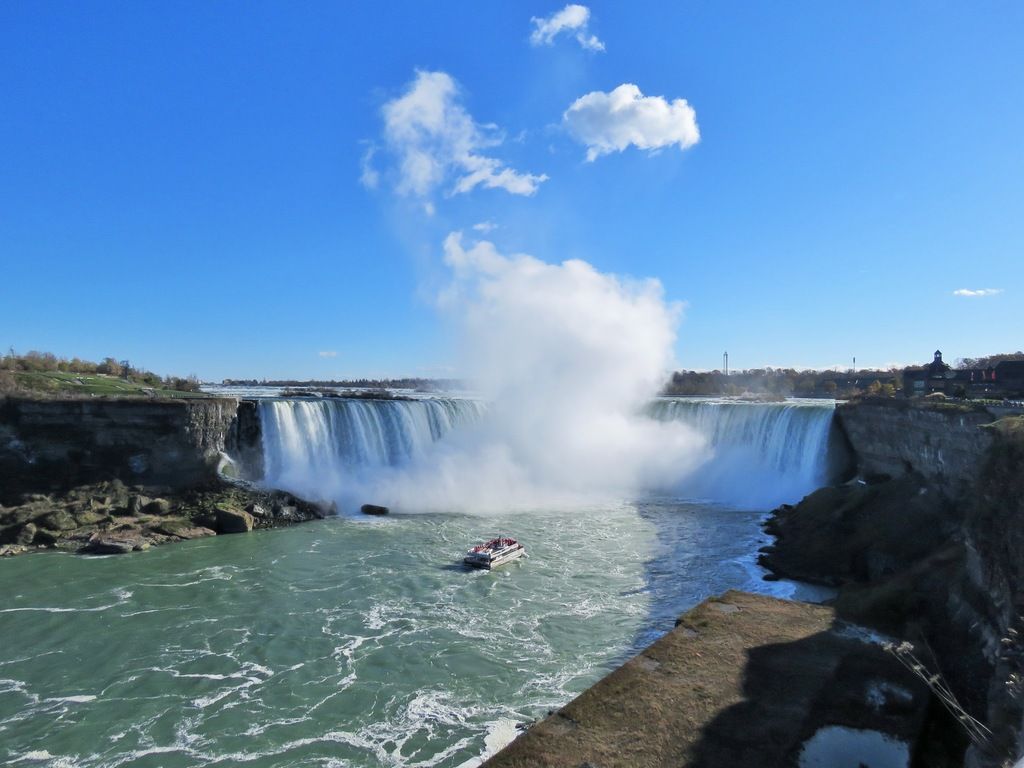
Spring in Canada is a dramatic awakening. As the snowpack recedes, the landscape transforms under the sheer power of the thaw. This is the peak season for waterfalls: the massive snowmelt turns icons like Niagara Falls and the cascades of the Rockies into thundering torrents of mist, far more powerful than during the drier summer months.
In the cities, the transition is marked by a floral explosion. Vancouver becomes a sea of pink as thousands of cherry blossoms frame the streets, while the capital hosts the Ottawa Tulip Festival in May. These blooms—a historic gift from the Netherlands—splash vibrant color across urban parks, offering a perfect “insider” window into Canadian life before the summer crowds arrive.
For wildlife enthusiasts, April marks a pivotal moment. As the ice breaks, the whale-watching season officially begins on both coasts. Majestic orcas, humpbacks, and grey whales start their migratory journeys, often appearing close enough to the shore for breathtaking sightings in British Columbia and the Maritimes.
Choosing this shoulder season allows you to witness the country’s rawest beauty. While the weather can be unpredictable, the rewards—from the force of the melt-water to the first breaches of marine giants—offer a unique perspective on Canada’s natural rhythms.
Your Canadian journey is all about the right timing
Canada is a land of profound contrasts, and your experience depends entirely on the calendar. You might seek the contemplative silence of a snow-covered forest in winter or the electric roar of a stadium in the peak of July. In this country, timing doesn’t just dictate the weather—it dictates the soul of your adventure.
The scale of Canada is often too vast to navigate alone. Some moments are simply too large to keep to oneself: witnessing your first Northern Lights, trekking through the Rockies, or watching a grizzly at the river’s edge. There is a unique power in sharing these “firsts” with a community of like-minded travelers.
A group transforms a wide landscape into a shared memory. Whether it’s the silence of the wilderness or a bonfire under the stars, the journey is defined by the company you keep. To feel the nation’s true heartbeat and experience the Great White North to the fullest, discover our Canada group travel adventures. The wild is waiting, don’t explore it alone.