Published on February 18, 2026 Last updated: February 18, 2026
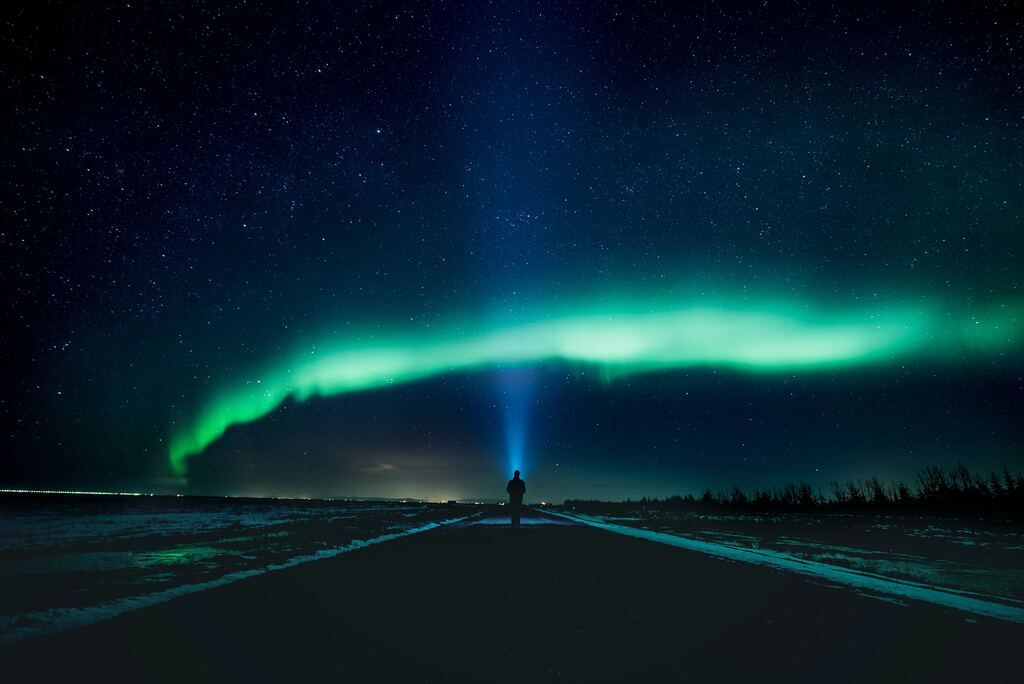
Finland isn’t just a destination; it’s a shape-shifter. One month it’s a silent, frozen kingdom illuminated by the green fire of the Aurora Borealis; the next, it’s a land of 24-hour sun and lake-side festivals. The country transitions so completely throughout the year that it feels like several distinct destinations sharing the same map, moving between the deep darkness of Kaamos (the Polar Night) and the surreal brightness of the Midnight Sun.
The best time to visit Finland is from June to August for warm weather and the Midnight Sun, or from December to March for snow activities and the Northern Lights. The hottest month is July, with temperatures averaging 20°C–25°C, while the rainiest period is typically August. The best months for the Northern Lights are September, October, March, and April, thanks to the equinox effect and the peak of the Solar Maximum.
Choosing your window is a deeply personal decision. Whether you crave the explosive colors of the autumn forest or the luminous energy of a Helsinki summer, timing is the lens that brings the Finnish wilderness into focus. Read on to discover our month-by-month breakdown and find your perfect Finnish moment.
Finland rewards those who align their itinerary with its dramatic seasonal shifts. The transition from the deep frost of the Arctic winter to the infinite light of summer dictates every aspect of local life.
January and February: Deep Winter and Electric Light
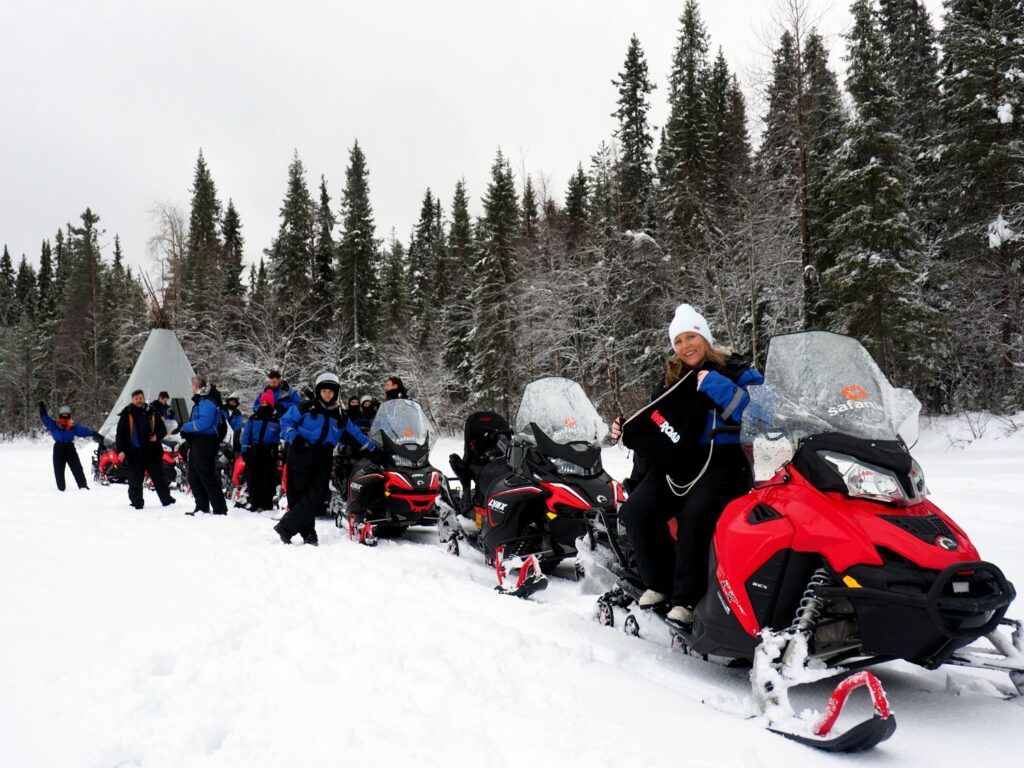
January and February represent Finland at its most elemental. Snow blankets the landscape, and daylight is a brief, precious commodity. This is the heart of winter. February is typically the coldest month, yet also the driest, making conditions crisp and clear. In Helsinki, the city glows during Lux Helsinki, a light festival that transforms the capital into an art gallery. For sports enthusiasts, this is the premier time for ice-swimming and snowshoeing.
March and April: The Bright Return of Winter
March and April bring the “spring-winter” (hankikanto). While snow remains deep in Lapland, days stretch longer and the sun dominates the sky. This is arguably the best time for skiing in the north because visibility is excellent and temperatures stay cold enough for perfect powder. Statistically, March is a peak month for the Northern Lights due to the equinox effect.
May: Balloons, Overalls, and Sudden Spring
May arrives with an explosion of energy, centered around Vappu (May 1st). This is the wildest street party in Finland, marking the end of the academic year. The streets fill with university students wearing colorful overalls and white student caps. It is a time of collective optimism. Nature moves fast; the ice breaks on the lakes almost overnight, signaling a total transformation.
June: Midsummer and the Nightless Night
June is when the country leans fully into its light. Midsummer (Juhannus) is the most important holiday, celebrated at lakeside cottages with bonfires and saunas. In the north, the sun does not set, creating the Midnight Sun. This surreal light is the backdrop for the Midnight Sun Film Festival in Sodankylä. Even in the south, the “White Nights” mean the sky never truly gets dark.
July and August: Peak Summer and Soft Rain
July is the hottest month, with temperatures reaching a balmy 20°C–25°C. This is the peak vacation season when lakes become social hubs. However, August brings a subtle shift. While it is the wettest month, the rain fuels the growth of wild treasures. This is the prime time for foraging; forests become carpets of wild blueberries, cloudberries, and mushrooms.
September and October: Ruska and Burning Landscapes
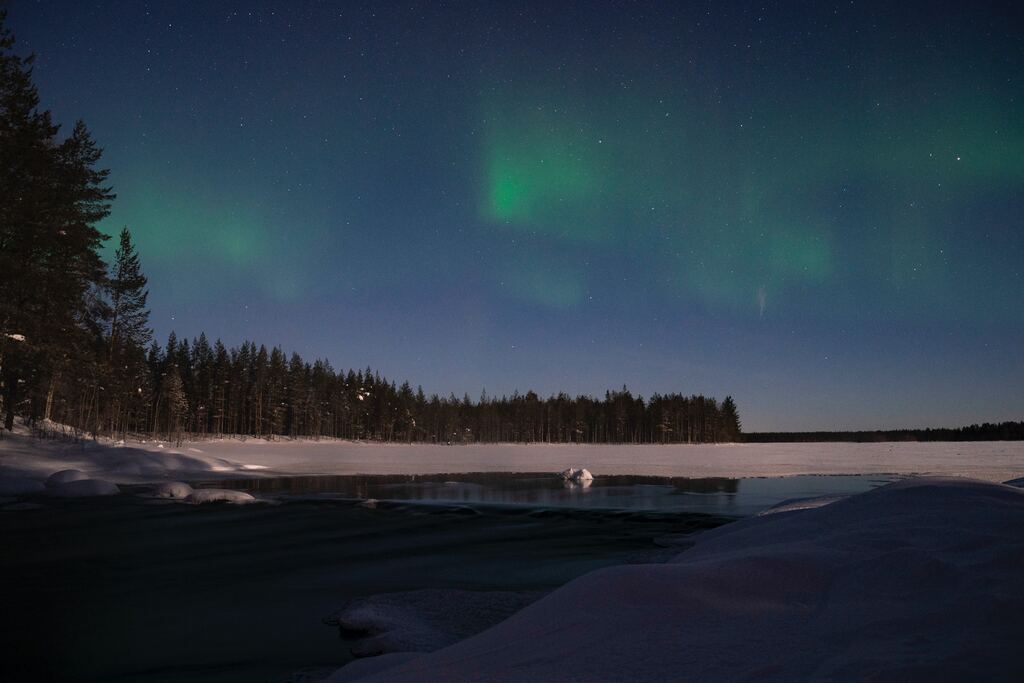
In September, the landscape undergoes Ruska (autumn foliage). The forests of Lapland ignite in shades of deep red, gold, and copper. It is a brief window that photographers cherish. As October settles in, the days shorten and the first frosts arrive. Darkness returns to the sky, marking the official start of the new Northern Lights season, often visible over mirror-like unfrozen lakes.
November and December: Darkness, Design, and Christmas Glow
November carries a cozy, introspective atmosphere known as kotoilu. It is the best time for cultural immersion in Helsinki’s design district. December shifts toward celebration. In Rovaniemi, the Christmas season opens with grand ceremonies. Meanwhile, in the capital, the Slush tech festival brings a neon-lit energy, proving that Finland’s creativity shines brightest when the sun is at its lowest.
Catching The Aurora: Best Months For The Northern Lights
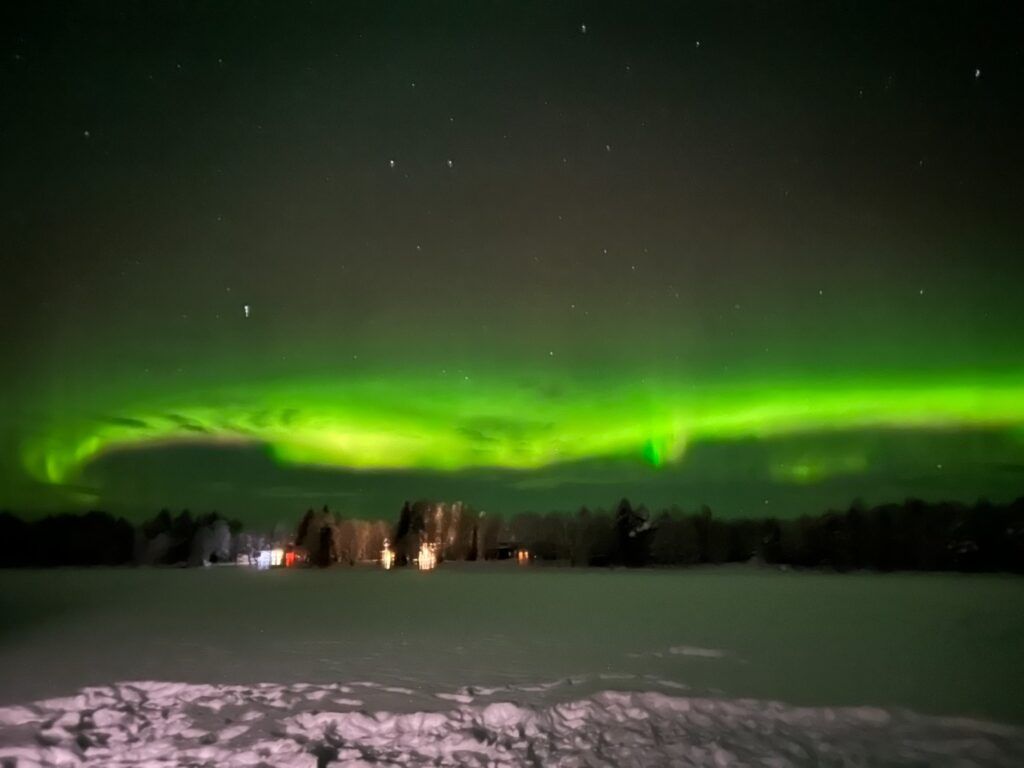
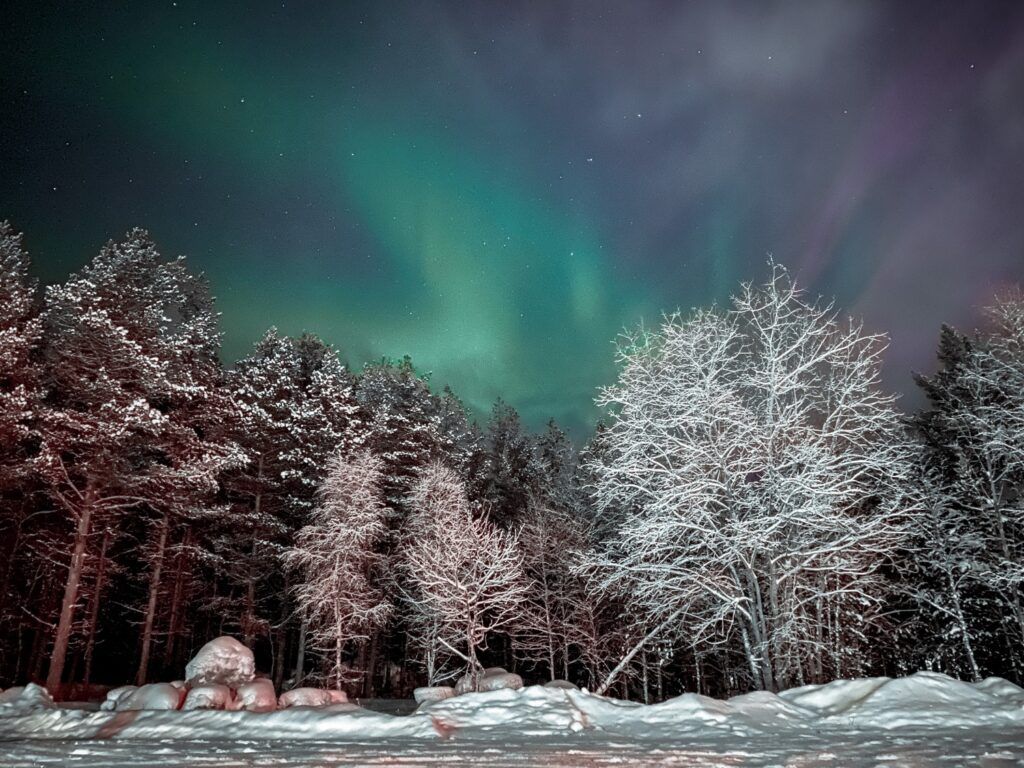
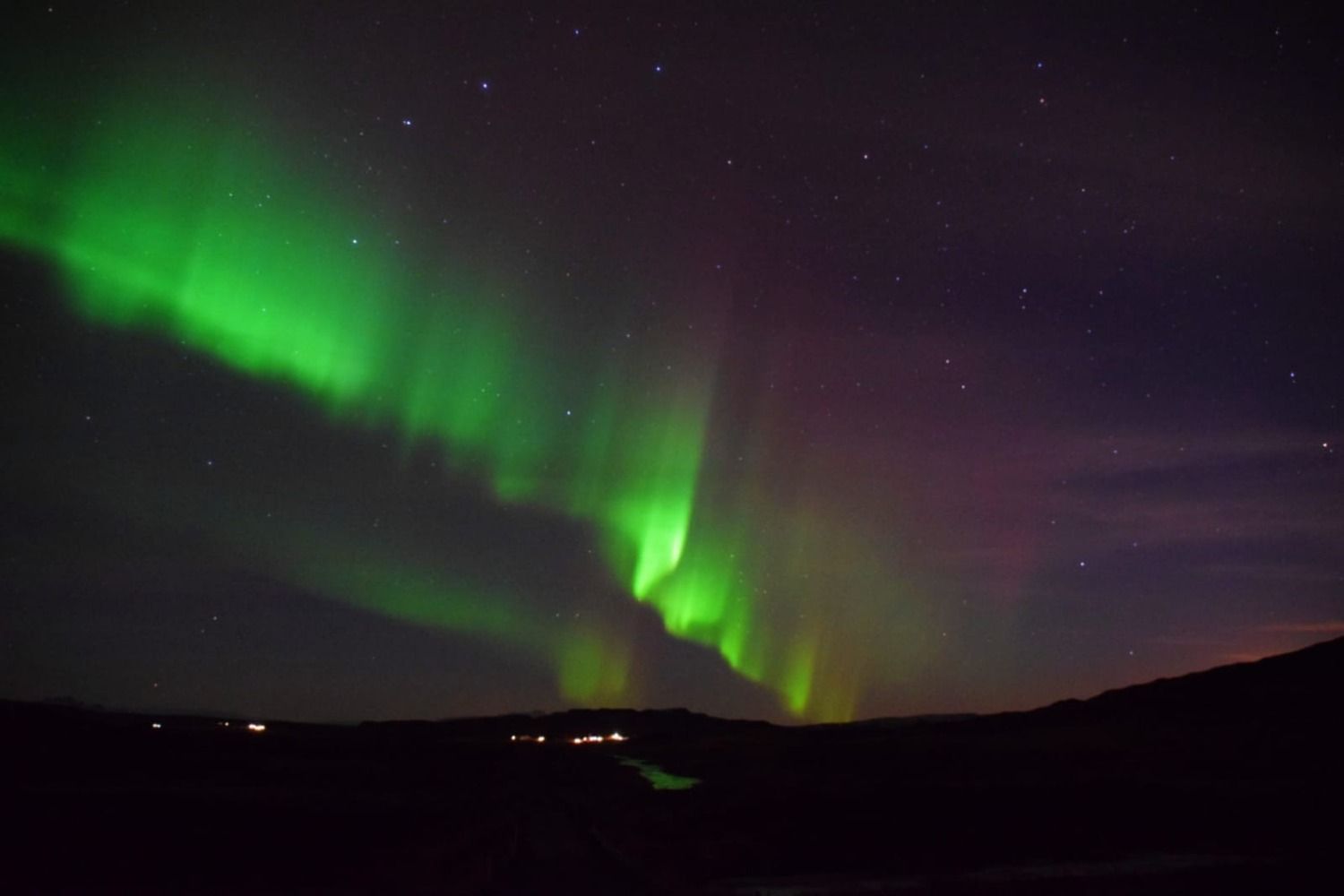
Many travelers ask: what is the best time to see the Northern Lights? While the aurora is a year-round phenomenon, visibility requires a dark, clear sky. In Finland, this window falls between September and March. However, the current period is extraordinary: the Solar Maximum represents the peak of the sun’s 11-year activity cycle. During this phase, solar storms are more frequent, making auroras more intense and likely to display rare colors like violet and deep red.
Statistically, the strongest months for viewing are September and March, thanks to the equinox effect. During the spring and autumn equinoxes, the Earth’s magnetic field aligns with the solar wind, allowing charged particles to enter the atmosphere more easily. For travelers visiting Finland during these months, the chances of witnessing a high-intensity display are much higher than in the dead of winter.
Choosing the equinox months also offers a distinct advantage in terms of comfort:
September and October: You can see the lights reflected in open lakes before the ice forms, while enjoying milder autumn temperatures.
March: Provides the “spring-winter” experience—long, sunny days for skiing followed by statistically superior aurora conditions at night.
With the Solar Maximum peaking, the next few seasons represent a once-in-a-decade opportunity to see the Arctic sky at its most electric.
Midnight Sun And Archipelago: Timing The Perfect Finnish Summer
For travelers drawn to light rather than darkness, June and July represent Finland at its most surreal and socially vibrant. In Lapland, the Midnight Sun creates a continuous day where the sun never fully sets, blurring the line between afternoon and evening for several weeks. This phenomenon completely reshapes the rhythm of daily life; it is not uncommon to see hikers starting a trail at 11:00 PM or locals enjoying a lakeside sauna well past midnight. This “nightless night” offers a sense of infinite time, where the typical constraints of the clock simply vanish.
Further south, Helsinki and the coastal cities experience the White Nights. While the sun technically dips below the horizon for a few hours, true darkness never arrives, leaving the sky in a state of permanent, luminous twilight. This extended light fuels an unusually energetic urban atmosphere, where outdoor dining, open-air concerts, and street festivals become the heartbeat of the city. Locals treat the summer as a precious resource, spending every possible moment outside to soak up the energy before the shorter days of autumn return.
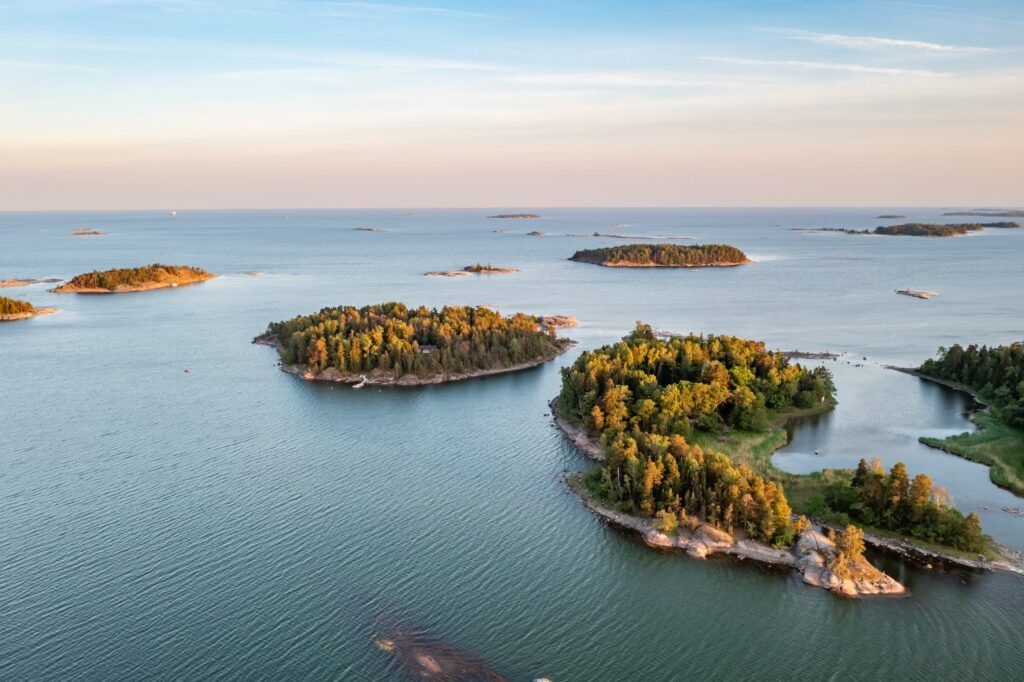
The peak of the season, particularly late July, is the ideal moment to explore the Finnish Archipelago. By this point, the waters of the Baltic Sea have reached their warmest temperatures, making it the best time for:
Island hopping: Navigating the thousands of islands when ferry routes are at their highest frequency.
Water activities: Swimming and kayaking in the calm, sun-drenched coastal waters.
Local culture: Visiting remote wooden guesthouses and island cafés that are in full swing.
Navigating these intricate island chains under a sun that hovers just above the horizon is the quintessential Finnish summer experience.
Practical Weather Facts: Heat, Rain, And The Polar Night
When planning a journey to the Arctic, pragmatic data is essential. The hottest month in Finland is July, with average daytime temperatures between 20°C and 25°C. While rare heatwaves can push the mercury toward 30°C in the south, the air remains fresh. Conversely, August is typically the rainiest month. However, Finland does not have a traditional “monsoon” season; instead, August brings brief, local showers that refresh the vast forests, perfect for exploring without the mid-summer heat.
Temperature reality varies significantly by latitude:
Lapland: During January and February, temperatures often drop below -20°C. The air is dry, making the cold feel crisp rather than biting.
Helsinki & The South: Winters are milder but windier. The humidity from the Baltic Sea can make a -5°C day in the capital feel just as intense as the deep freeze in the north.
One of the most misunderstood phenomena is the Polar Night, locally known as Kaamos. In the northernmost reaches, the sun remains below the horizon from early December to early January. Contrary to popular belief, this does not mean pitch-black darkness. Instead, the sun lingers just out of sight, bathing the landscape in a surreal, ethereal blue twilight for several hours around noon. It is a period of profound silence, offering a unique atmospheric glow perfect for photography and reflection.
Your Finnish Odyssey Is All About The Timing
Finland is built for serendipity, rewarding those who arrive at the exact moment the seasons shift. Choosing a window here is a choice between two souls: the quiet solace of falling snow under a neon sky, or the roar of a Midsummer bonfire beside a lake that refuses to see the dark. Whether you crave Arctic introspection or the exuberance of the endless sun, the country delivers an authenticity that changes month by month.
The upcoming seasons offer a rare alignment of peak solar activity and cultural milestones, making this the definitive time to explore the North. The scale of this wilderness is best navigated with others. Witnessing a paint-swirled sky or sharing a meal at a community table turns a simple journey into a shared legend. If you are ready to align timing and people, it is time to find your next Finland group tour and embark on a collective adventure.