Brazil’s coastline isn’t just a place to swim; it’s a living, breathing public square where the heart of the country beats loudest. With over 7,000 km of shore, you will find a stretch of sand for every soul. Whether you seek the vibrant “tribes” of Ipanema or the emerald stillness of Baía do Sancho, knowing the local social code is essential.
From the high-energy “Postos” of Rio to the wild dunes of Jericoacoara, every spot has its own ritual. Don’t be surprised if you see locals clapping for the sunset—it’s a cherished tradition you’ll soon want to join. From your choice of bikini to your afternoon snack, the beach is a language. Read on to learn the rhythm of the coast and find the Brazilian beach that speaks to you.
Brazil’s coastline has two distinct personalities. The Southeast, including Rio and São Paulo, is urban and iconic. Here, beaches act as city extensions where you arrive with purpose: to participate, flirt, or exercise, not just to lounge. This shoreline rarely feels quiet, yet it never feels chaotic. You’ll quickly learn that every Posto represents a different community, making the beach a fascinating, socially layered arena.
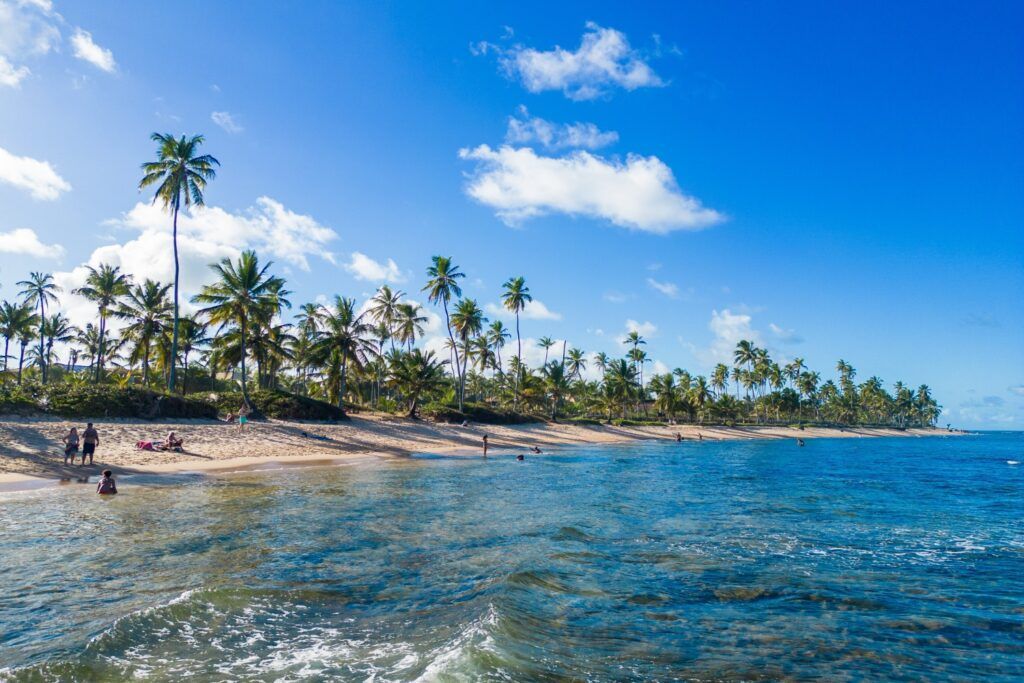
The Northeast offers a contrasting mood that is instantly calming. In this region, nature takes the lead. Coconut palms, massive dunes, and natural reefs define a landscape that feels like true barefoot luxury. It’s no wonder travelers seeking the best beaches in Brazil return here year after year for a deeper connection with the wild Atlantic.
Keep in mind that water temperature is a deciding factor for your trip. North of Bahia, the sea stays warm and inviting year-round. However, south of Rio, the water gets brisk from June to August. If you’re planning a winter escape, head north to ensure your tropical dream stays warm.
The legendary icons of Rio de Janeiro
Rio’s beaches are famous worldwide, but their true appeal lies in how socially organized they are. These aren’t just anonymous stretches of sand; they are vibrant neighborhoods where every section has a distinct personality. Locals read these social codes instantly, and with this guide, you’ll find exactly where you belong.
Copacabana: the crescent of Brazilian soul
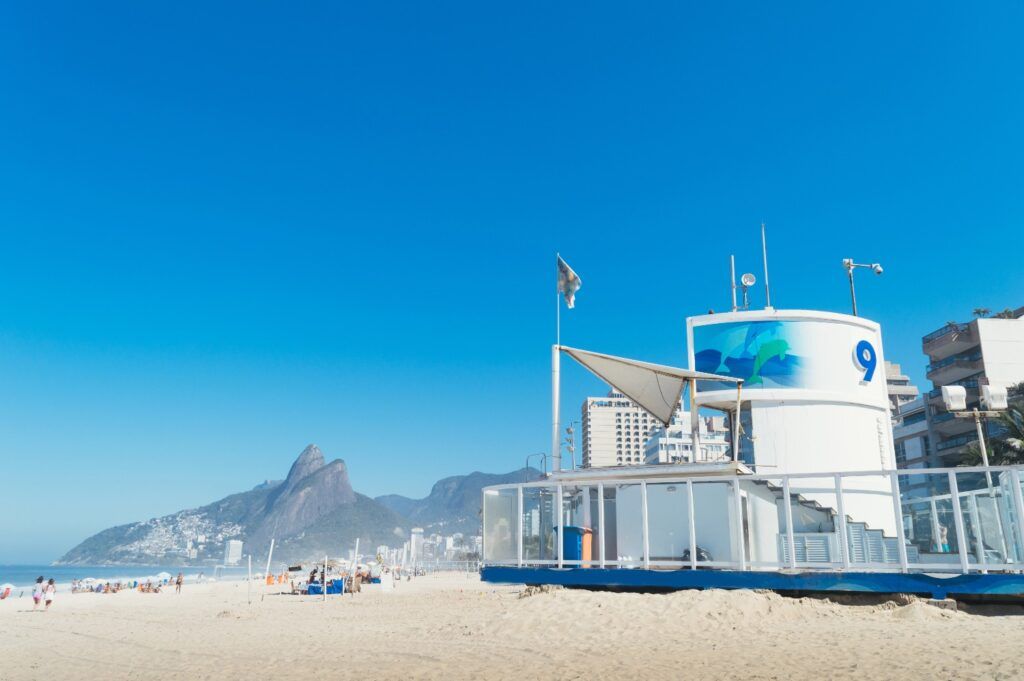
Copacabana is more than a beach; it’s Rio’s shared living room. Here, generations mix effortlessly along the iconic black-and-white wave pavement. To navigate it, you need to understand the Posto system. These lifeguard stations, from Posto 2 to Posto 6, act as your social map: some are for families, others for athletes or longtime locals. Finding the right Posto is the secret to feeling like a local rather than a tourist.
While the water is inviting, always keep an eye on the lifeguard signals. Strong riptides can appear suddenly, so swim where the locals do. Also, follow the golden rule of Rio: never leave your bags unattended on the sand. If you’re alone, it’s common to ask your “neighbor” on the next towel to watch your things—it’s the first step to making a Brazilian friend.
Ipanema: where the sun sets to a standing ovation
Ipanema is the chic, younger sibling of Copacabana. It feels polished yet deeply expressive, especially around Posto 9, the bohemian heart of the beach. This is the best place to strike up a conversation and soak in the city’s creative energy.
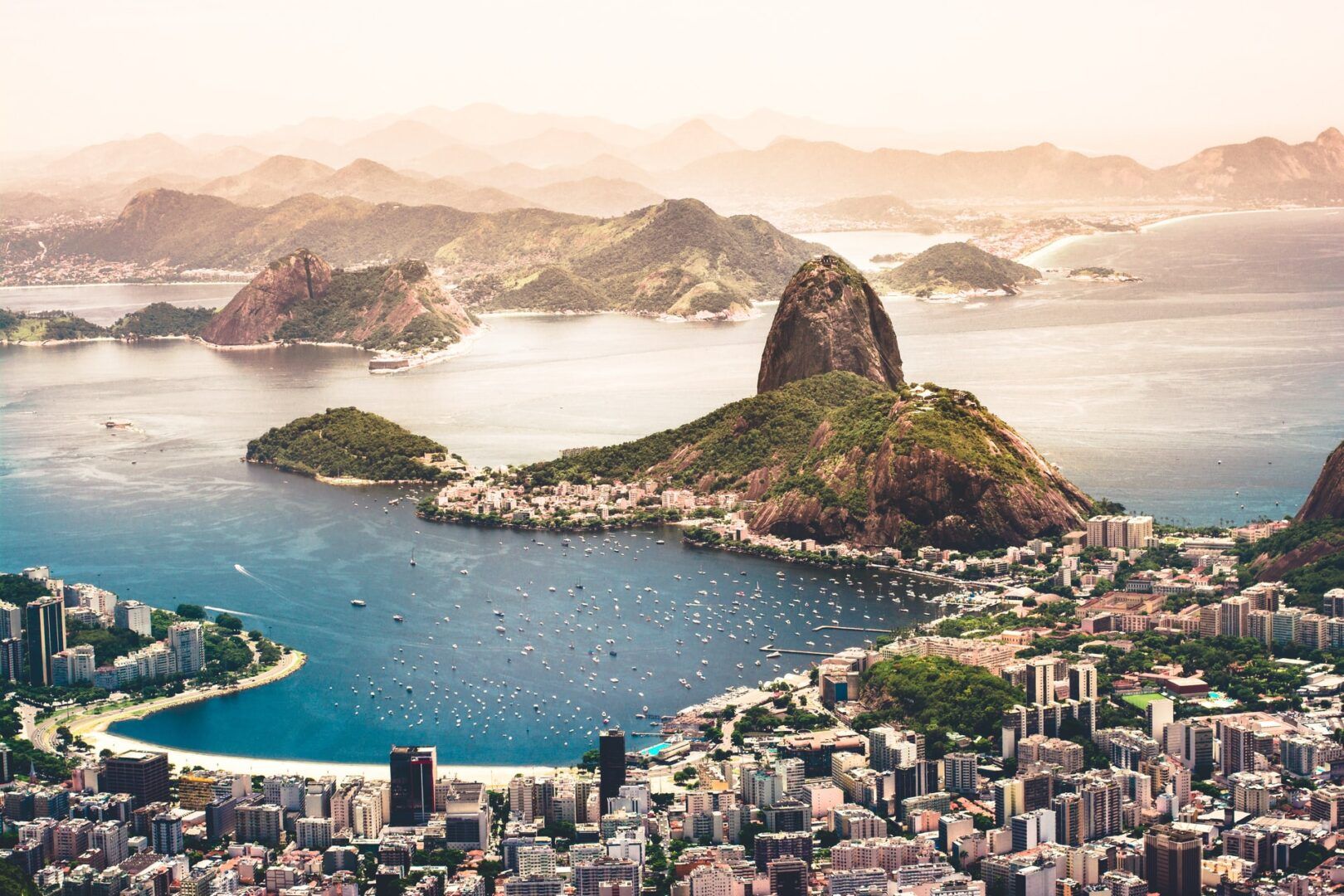
The most iconic moment of any Rio trip happens at Arpoador Rock. As the sun begins to drop behind the Two Brothers mountains (Dois Irmãos), a massive crowd gathers on the rocks. When the sun finally disappears, everyone begins to clap. This spontaneous and sincere celebration of nature is a ritual you simply cannot miss.
Note: Many travelers ask why people clap on Copacabana, but the tradition actually belongs to Arpoador. It’s a magical transition from a day on the sand to a night in the city.
The Pristine paradises of the Northeast
If you’re wondering which part of the country truly holds the best beaches in Brazil, the Northeast is the undisputed winner for nature lovers. This region is a sanctuary of rugged, tropical landscapes where you’ll find crystal-clear waters, massive sand dunes, and a slower, “barefoot luxury” pace of life.
Baía Do Sancho: Fernando De Noronha’s crown jewel
Baía do Sancho is frequently voted the most beautiful beach in the world, and for good reason. Located within a protected marine park in the Fernando de Noronha archipelago, its turquoise waters are a haven for snorkeling. To reach the sand, you’ll need to descend steep ladders wedged into the cliffs—a small price to pay for such an untouched paradise.
Because the ecosystem is so delicate, access is restricted and requires some planning. You’ll need to pay the Environmental Preservation Tax (TPA), which is currently around R$ 105,79 per day. My advice? Pay this online before you arrive to avoid long queues at the airport and start your island escape immediately.
Jericoacoara: lagoons, dunes and barefoot luxury
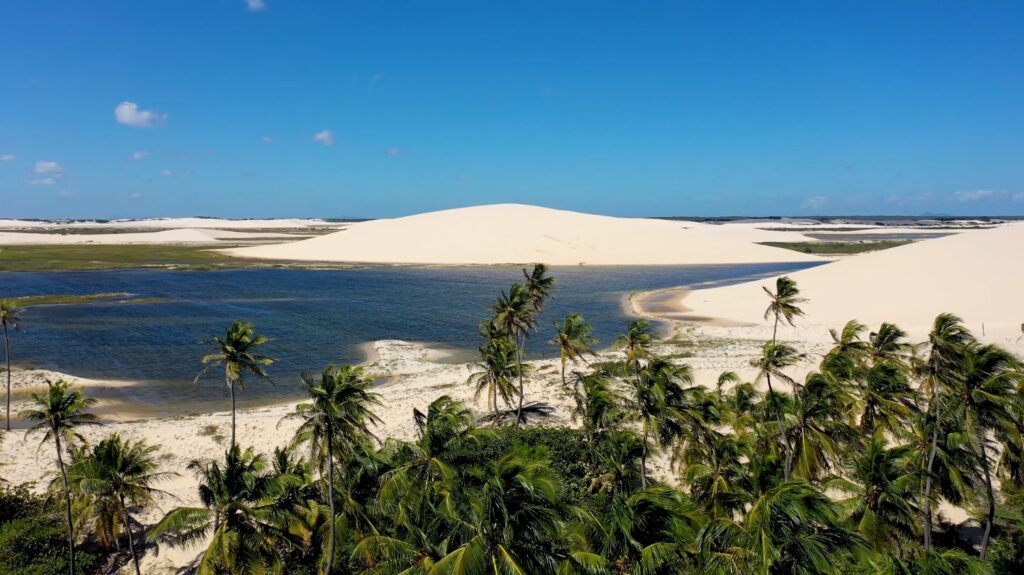
Nestled among giant shifting dunes, Jericoacoara is a remote village where the streets are made of sand and shoes are strictly optional. While it’s a global mecca for kite-surfing, the real magic lies in its freshwater lagoons, like Lagoa do Paraíso.
The signature “Jeri” experience is relaxing in a hammock placed directly in the water. You can stay cool while sipping a drink in the shallows, surrounded by brilliantly blue water. It’s the ultimate blend of rustic charm and comfort that makes this village so addictive.
Hidden gems for the authentic explorer
For those who follow the WeRoad spirit, the best rewards require a bit of effort. Some of the most stunning coastlines in Brazil aren’t accessible by car; they are reserved for the authentic explorer seeking a raw connection with nature. If you are willing to hike or sail, these hidden gems will be the highlight of your journey.
Praia Do Espelho: Bahia’s mirror to the sky
Located between the trendy Trancoso and the remote Caraíva, Praia do Espelho is a visual masterpiece. Its name translates to “Mirror Beach” because, during low tide, the receding ocean leaves behind shallow, crystal-clear pools. These pools perfectly reflect the sky, creating a surreal landscape against a backdrop of colorful cliffs. It is widely considered one of the most beautiful spots in Bahia, offering a tranquility that’s hard to find elsewhere.
Lopes Mendes: the wild heart of Ilha Grande
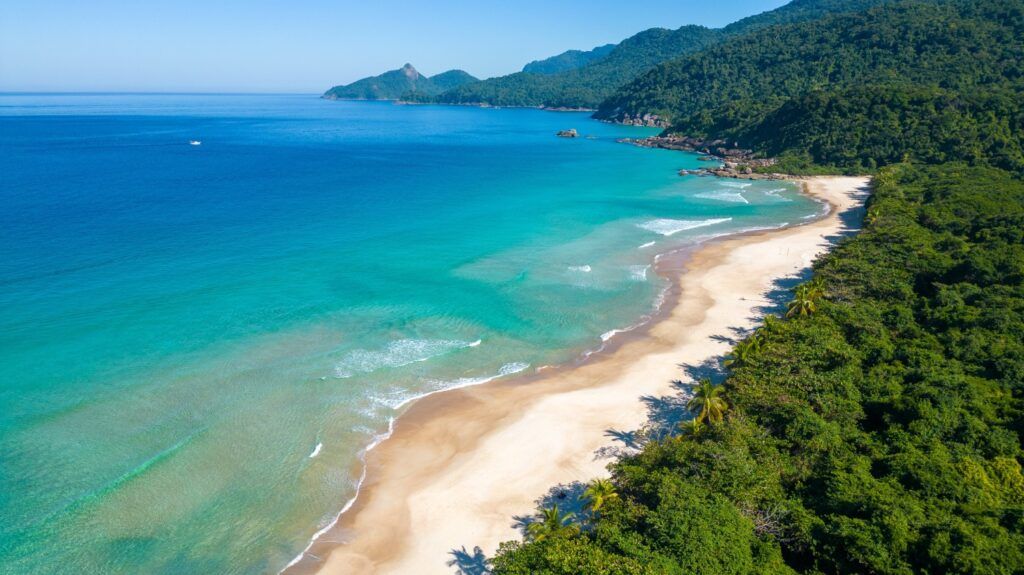
Lopes Mendes is often cited as the most beautiful beach in the state of Rio de Janeiro, but reaching it is an adventure in itself. Since there are no roads, you must arrive by boat or tackle a challenging jungle hike from Abraão. Your reward? Two miles of white, powdery sand and turquoise waves.
Pro Tip: Keep in mind that Ilha Grande has implemented a small tourist tax to protect its environment. Be sure to check the latest digital payment methods before you land. Most importantly, Lopes Mendes is 100% wild: there are no shops or bars, so you must bring your own water and snacks. Always pack out your trash to keep this paradise pristine.
Surf breaks vs. natural pools: choosing your water experience
Brazil’s coastline offers two radically different ways to experience the Atlantic. Depending on the day, you might find yourself paddling into a world-class wave or floating in a mirror-still pool. Understanding the local geography and the tide cycles is the key to choosing the right beach for your mood.
Adrenaline seekers: Brazil’s top surfing hubs
For surfers, Saquarema remains the undisputed “Surf Capital of Brazil.” Located just east of Rio, it is famous for its powerful, consistent swells. In June 2026, the town will host the WSL Championship Tour (Vivo Rio Pro), specifically from June 19 to June 27. It is an electric time to visit and witness the world’s best athletes in action.
Other coastal magnets for surf culture include Florianópolis, specifically Joaquina Beach, known for its high-performance lefts. If you are near São Paulo, Itamambuca in Ubatuba offers a raw, rainforest-meets-ocean vibe that is perfect for those chasing “the green room.”
Relaxation and reefs: the best natural pools in Brazil
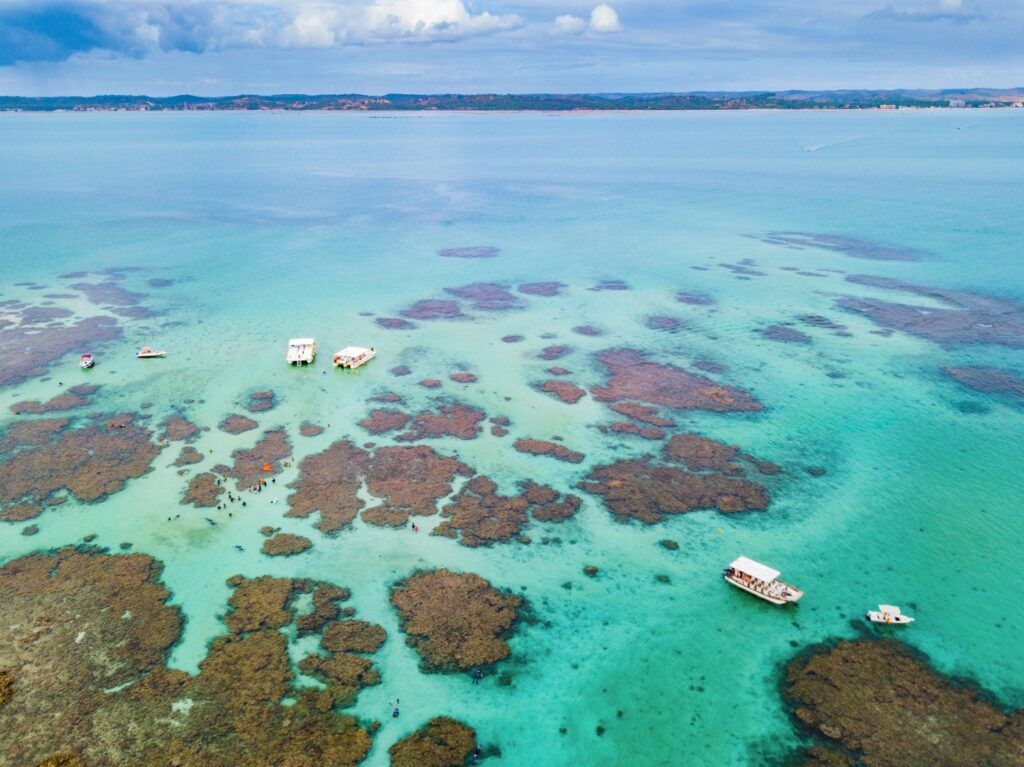
On the other end of the spectrum is the “piscinas naturais” phenomenon. Along the Northeast coast, massive coral reefs run parallel to the shore. At low tide, these reefs trap the ocean, creating shallow, crystal-clear basins filled with tropical fish.
Maragogi is the most famous spot for this, home to the sprawling “Galés.” Nearby, Porto de Galinhas offers easily accessible pools just yards from the sand. For a truly grand experience, head to Muro Alto, which boasts the largest natural pool in Latin America, stretching for nearly 3 kilometers behind a protective reef wall.
These experiences are strictly maré-dependent. You must check the “tábua de marés” (tide table) before planning your trip. If the tide is above 0.5 meters, the pools disappear under the waves. For the clearest water and best snorkeling, aim to arrive one hour before the lowest tide point.
Brazilian beach etiquette: From bikinis to clothing-optional rules
Navigating the social norms of a Brazilian beach is just as important as finding the right coordinates on a map. While the atmosphere feels incredibly relaxed, there are specific cultural rules you should respect to truly blend in with the locals.
Are you wondering about the “clothing optional” rules? Despite the famous reputation for tiny bikinis, toplessness is actually illegal and remains a cultural taboo on almost all public beaches. If you are seeking a naturist experience, you must visit official zones like Abricó in Rio de Janeiro or the stunning cliffs of Tambaba in Paraíba. Outside of these areas, keep your swimwear on.
The most important item you can own is a Canga (sarong). Brazilians almost never use hotel towels on the sand—it’s a clear giveaway that you’re a tourist. Your canga is your multi-tool: use it for sitting, drying off, or wrapping up when walking to a beach kiosk. You can buy beautiful, vibrant designs from the many beach vendors walking right past your chair.
Finally, embrace the local confidence. Brazilian beach culture is incredibly body-positive. You will see people of every size and age wearing daring styles with pride. On the sand, the “perfect beach body” doesn’t exist—confidence is the only requirement. Whether you are in chic Ipanema or remote Jericoacoara, feel free to wear what makes you happy.
Planning your coastal escape
Brazil’s coastline is a sensory awakening. It’s the warmth of the golden sand beneath your feet and the smoky scent of queijo coalho (grilled cheese) prepared by a beach vendor. It’s the rhythmic sound of the waves mixing with the laughter of a local football game. You don’t just visit these places; you feel them.
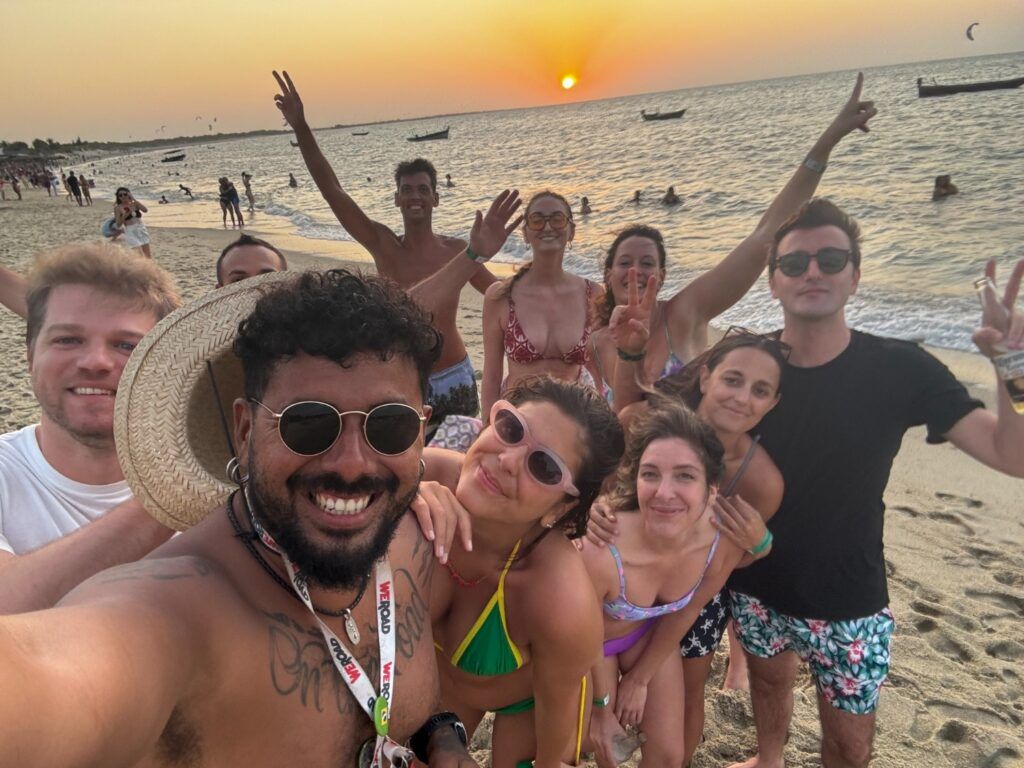
However, navigating such a vast and diverse country alone can be a challenge. To truly unlock the magic of the coast, you need the right company. Brazil’s hidden treasures are best explored with a crew. Whether you are hiking through the jungle to reach Lopes Mendes or sharing your first caipirinha during an Arpoador sunset, these moments are amplified when shared.
If you are ready to trade the ordinary for the extraordinary, the tide is right and the “tribe” is waiting for you. Discover our Brazil group tours and find your own coastal paradise today.