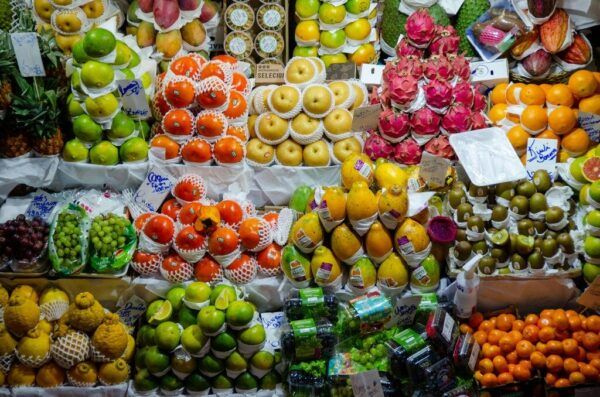
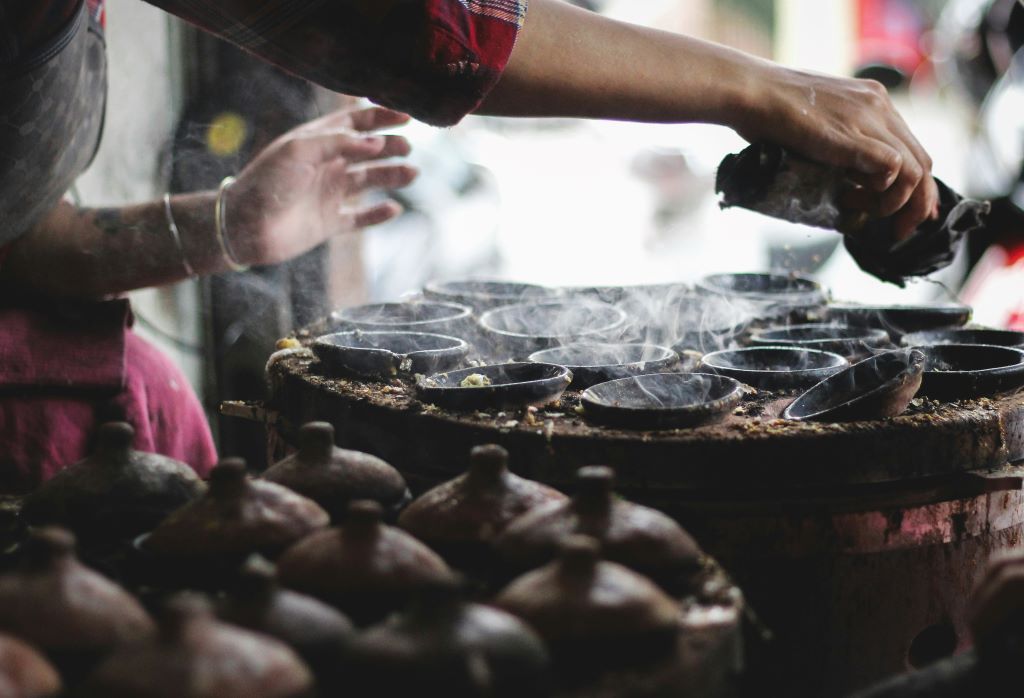
Imagine yourself standing in the heart of a bustling local market, where the air is thick with the scent of picanha sizzling over open flames and the rhythmic shouting of vendors creates a unique urban symphony. To truly understand Brazil’s culinary soul, you must look beyond the plate: it’s an immersive sensory experience that you won’t find anywhere else. This gastronomic landscape is a vibrant mosaic, blending centuries of Portuguese techniques, deep-seated African flavors, and ancient Indigenous ingredients.
From the sun-drenched coasts of Bahia to the mysterious depths of the Amazon, every state offers a distinct palate and every city adds its own creative twist to traditional recipes. This guide is your roadmap through the country’s heart, starting with the legendary feijoada and exploring the rituals of daily dining. Get ready to discover how history, community, and the land converge to create one of the most exciting cuisines on the planet.
Feijoada: the national feast of black beans and pork
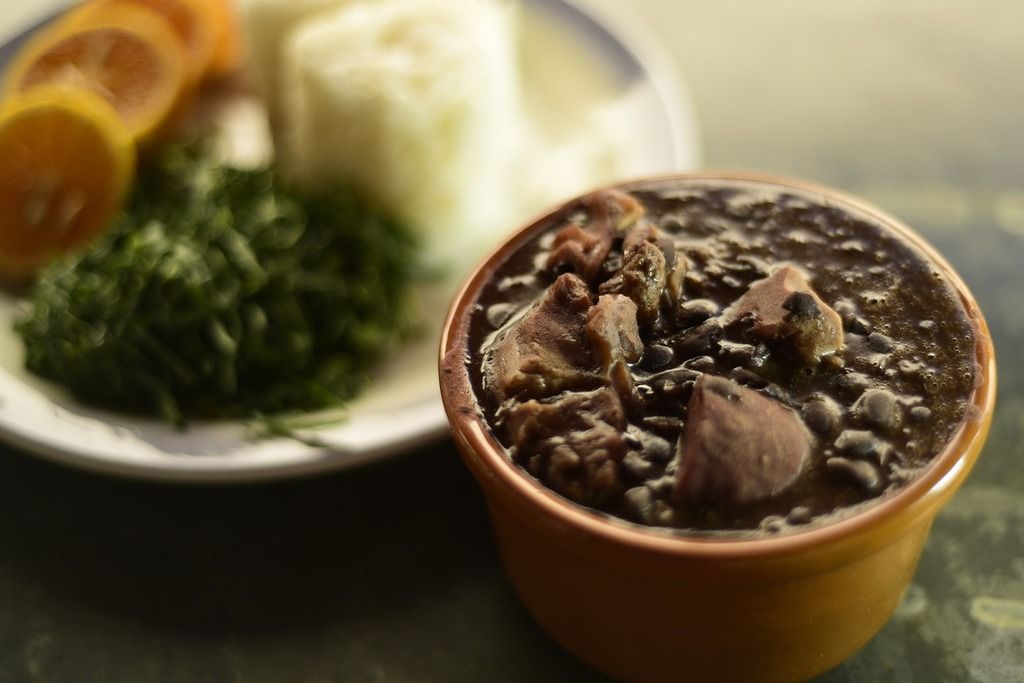
The most symbolic of all authentic dishes is undoubtedly feijoada. This rich, slow-cooked stew of black beans and various cuts of pork is more than just a meal. It is a historical narrative served in a clay pot. Inside, you will find a medley of textures, from tender ribs and smoky sausages to cured loin and pork belly. Each ingredient contributes to a deep, earthy broth that has become the hallmark of the nation’s culinary identity.
The historical roots of the stew
The story of this dish is intertwined with the history of the country itself. Developed by enslaved Africans who adapted Portuguese bean stews, it utilized the ingredients available to them, transforming humble components into a nutritional powerhouse. Over generations, these popular local flavors evolved from a survival meal into a sophisticated national treasure. Today, it is a democratic dish, enjoyed with equal passion in humble favelas and the most upscale restaurants of Rio and São Paulo.
A ritual of patience and sides
Traditionally, this feast is prepared for a crowd, designed for long afternoons and large tables. It is rarely served alone; the experience is defined by its essential side dishes. It must include white rice, garlicky kale, orange slices, and farofa – toasted manioc flour that adds a necessary crunch. This combination ensures a balance of heavy, savory, and citrusy notes that dance across the palate with every spoonful.
When and where to dive in
While you can find it almost any day, the “Saturday Feijoada” remains a sacred cultural institution. Be warned: it’s a heavy, filling meal meant to be followed by a slow afternoon or a nap. Jumping into this weekly ritual is your best way to connect with the local spirit, allowing the rich spices and communal atmosphere to show you the real Brazil.
The daily ritual: Rice, Beans, and the “Quilo” restaurant
To truly grasp the essence of how Brazilians eat every day, you must look at the Prato Feito, or simply PF. This is the balanced plate that fuels the nation, from the southern plains to the northern jungles. Regardless of social standing, the foundation is always a generous portion of fluffy white rice paired with seasoned beans.
Anatomy of the Prato Feito
A standard PF is a masterpiece of efficiency and flavor. Around the central pillars of rice and beans, you will find a rotating selection of proteins depending on the region’s specialty. The mystery and joy of the PF, however, lie in the accompaniments. Every plate comes with a fresh salad and a side of farofa. Some regions might add fried egg or French fries, making it a complete, satisfying, and affordable nutritional package.
The importance of the lunch hour
In this part of the world, lunch is the most significant meal of the day. Between noon and 2:00 PM, the pace of life slows down significantly. It is culturally expected that people leave their desks to share a meal at a table. This dedicated break reflects the importance of food as a social glue. Allow colleagues and friends to reconnect before the second half of the business day begins.
Understanding the Quilo concept
For the traveler, nothing offers a better introduction to the local palate than the “restaurante a quilo.” These self-service establishments are a brilliant invention. You grab a plate, choose from a massive buffet of dozens of dishes, and pay based on the weight of your food. It is the ultimate way to sample everything at once, from gourmet salads to traditional stews and grilled meats. All in one sitting without committing to a single large entrée.
Why Quilos are a traveler’s best friend
Quilo restaurants are ideal for those on a culinary journey because they provide high-quality at a very low price. They are ubiquitous in major cities and offer a safe environment to try unfamiliar ingredients. Whether you are craving Amazonian vegetables or southern-style grilled chicken, these “land of plenty” spots allow you to curate your own tasting menu every single day, reflecting the hardworking spirit and agricultural wealth of the land.
Ready to dig deeper and plan a food travel adventure? Cool, start with the best places to visit in Brazil to hit all of these eating Brazilian-style lunch spots.
Regional specialties: from the Bahian Coast to the Amazon
Brazil’s continental dimensions mean that its food is far from monolithic. As you move across the map, the ingredients change drastically based on the climate and colonial history. In the Northeast, the influence is heavily African, while the North is dominated by the secrets of the rainforest. The South, meanwhile, reflects the traditions of European immigrants and the rugged life of the cowboys.
The soul of Bahia
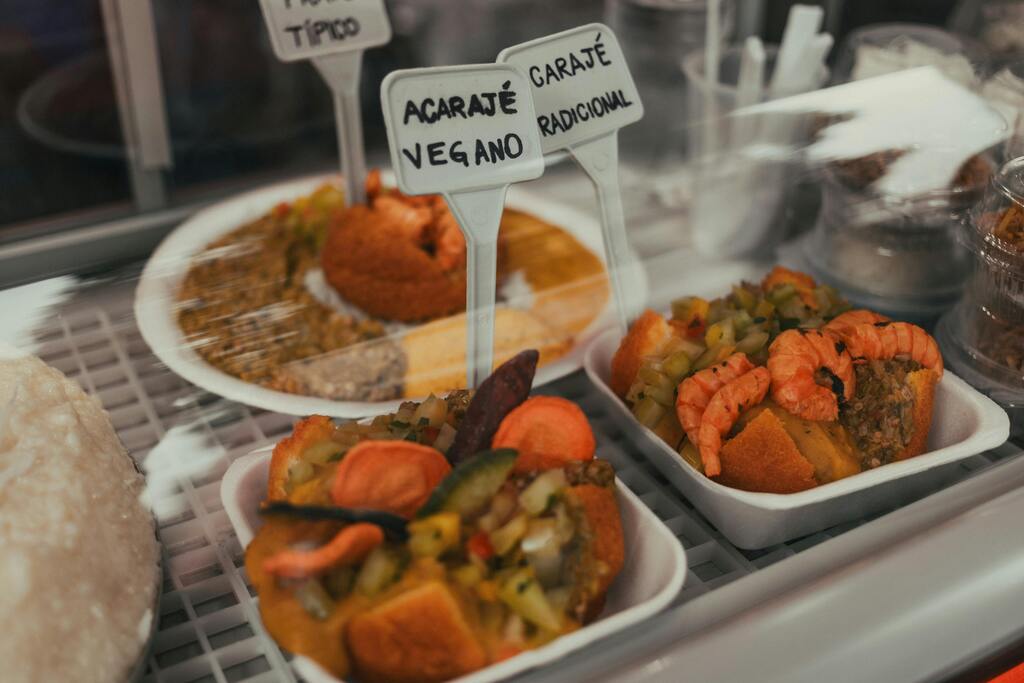
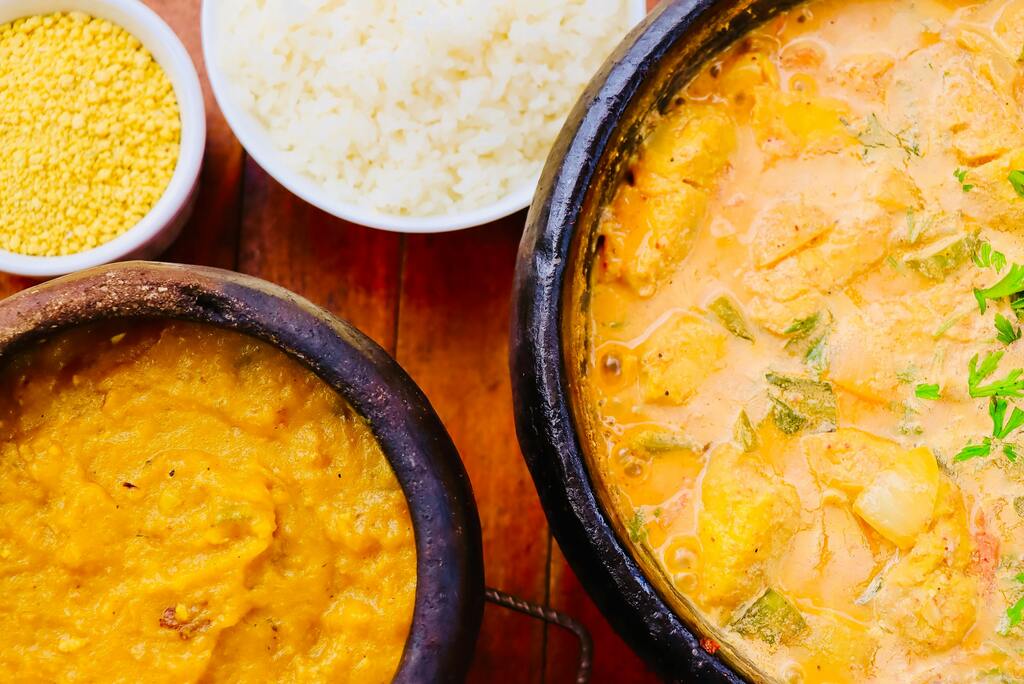
Bahian cuisine is the heart of Afro-Brazilian culture, characterized by the use of dendê (red palm oil) and coconut milk. The most famous is Acarajé, a deep-fried ball of mashed black-eyed peas stuffed with spicy shrimp and vatapá. Then there is Moqueca, a sublime seafood stew cooked in a traditional clay pot. The slow-simmered mixture of fish, peppers, and onions creates a velvety broth that captures the warmth of the coastal sun.
Amazonian wonders and Indigenous roots
In the North, the forest provides a pantry like no other. Amazonian cooking relies on Indigenous knowledge. The Amazon uses unique ingredients like Tucupi, a yellow broth from wild manioc. You will also find Jambú. This leafy herb creates a distinct tingling sensation on the tongue.
Dishes like Pato no Tucupi or fresh Tambaqui fish offer rare, prehistoric flavors. These recipes rely on ancient preservation methods. They are literally impossible to find anywhere else on Earth.
The Gaucho tradition of the South
Heading to the cooler climates of Rio Grande do Sul, the focus shifts to meat and fire. The churrasco tradition was born on the pampas, where gauchos (cowboys) roasted large cuts of beef over open pits. Today, this has evolved into the “Rodízio” style of service found in churrascarias, where waiters circulate with massive skewers of various meats, slicing them directly onto your plate until you signal them to stop.
Minas Gerais: the heart of comfort food
No regional guide is complete without mentioning Minas Gerais. Known as the “comfort food” capital, Mineiro cuisine is famous for its hearty, rustic dishes like Frango com Ora-pro-nóbis (chicken with a local leafy green) and Tutu de Feijão (mashed beans with manioc flour). It is a cuisine that smells of wood-fired stoves and hospitality, emphasizing the use of local cheeses and slow-cooked meats that make every visitor feel like they are eating in a grandmother’s kitchen.
Brazilian Street Food: The Art of the Salgadinho
Life in Brazil happens outdoors—in sun-drenched plazas and on busy sidewalks—which has given rise to a sophisticated culture of salgadinhos, or savory snacks. These bite-sized treats are the perfect solution when you’re on the go, providing a quick, delicious, and incredibly cheap way to fuel your urban explorations. From your morning commute to that essential late-night post-party snack, these little bites are the true heartbeat of the city.
The legendary Coxinha
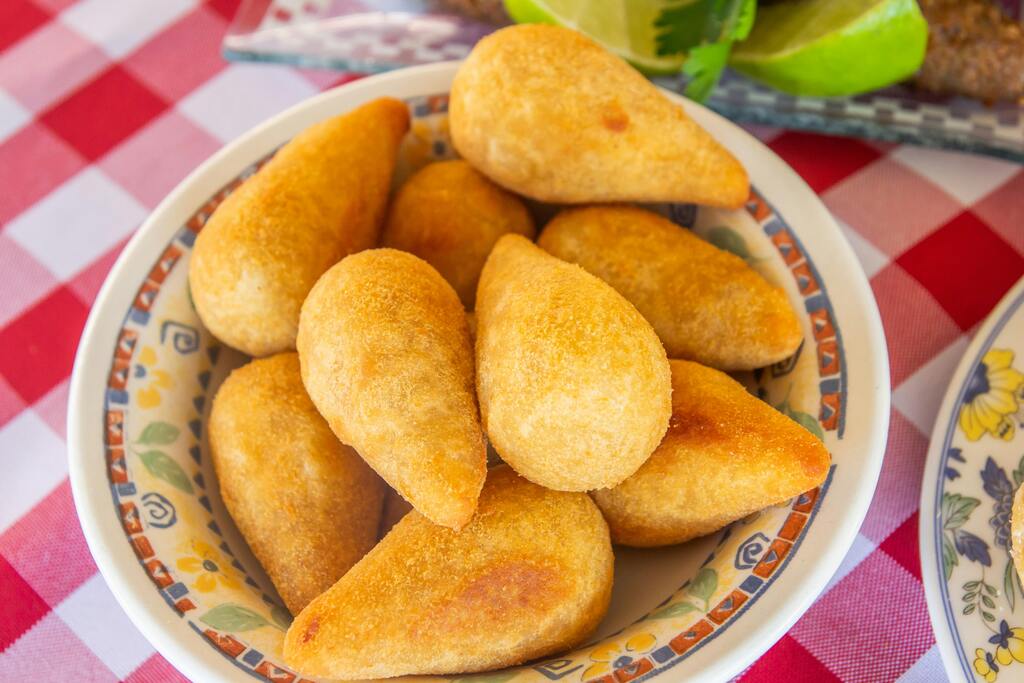
If there were a mascot for local comfort food, it would undoubtedly be the Coxinha. Strategically shaped like a teardrop to represent a chicken thigh, it’s made of a creamy dough stuffed with seasoned shredded chicken, then breaded and deep-fried to golden perfection.
The real magic lies in the contrast: you get that satisfying crunchy exterior followed by a soft, savory filling that is pure addiction. You’ll find them in every lanchonete (snack bar) across the country—just remember to enjoy yours with a dash of local hot sauce for the full experience.
Pastel and the market culture
The “Feira Livre” (open-air market) is the natural habitat of the Pastel. These are thin, rectangular crusts of pastry filled with a variety of ingredients – most commonly cheese, ground beef, or hearts of palm – and fried until the dough bubbles and becomes impossibly crisp. Paired with a cold glass of “caldo de cana” (freshly pressed sugarcane juice), the Pastel is a non-negotiable part of the weekly market ritual for millions of locals.
Immigrant influences: Kibe and Esfiha
The diversity of the population is perfectly reflected in its street snacks. Thanks to a large Lebanese and Syrian diaspora, Middle Eastern treats like Kibe (fried bulgur wheat and minced meat) and Esfiha (open or closed flatbreads with various toppings) have become integrated into the local diet. These snacks are so common that many people forget they aren’t originally from South America, proving how the country effectively “Brazilianizes” every culture it touches.
Pão de Queijo: the gluten-free hero
Originating from the state of Minas Gerais but loved nationwide, Pão de Queijo is a small, chewy cheese bread made from cassava flour (polvilho). Because it uses manioc starch instead of wheat, it is naturally gluten-free. These warm, golden puffs are ubiquitous at breakfast and afternoon coffee breaks. Their unique, elastic texture and salty cheese flavor make them one of the most beloved exports of the national pantry.
A sweet ending: brigadeiros, fruits, and the perfect caipirinha
When it comes to desserts, the local preference leans toward home-style comfort rather than complex patisserie. Most sweets are rooted in family traditions, often featuring condensed milk, tropical fruits, and a generous amount of sugar. These treats are designed to be shared, serving as the punctuation mark at the end of a long communal meal or a festive celebration like a birthday or wedding.
The iconic Brigadeiro
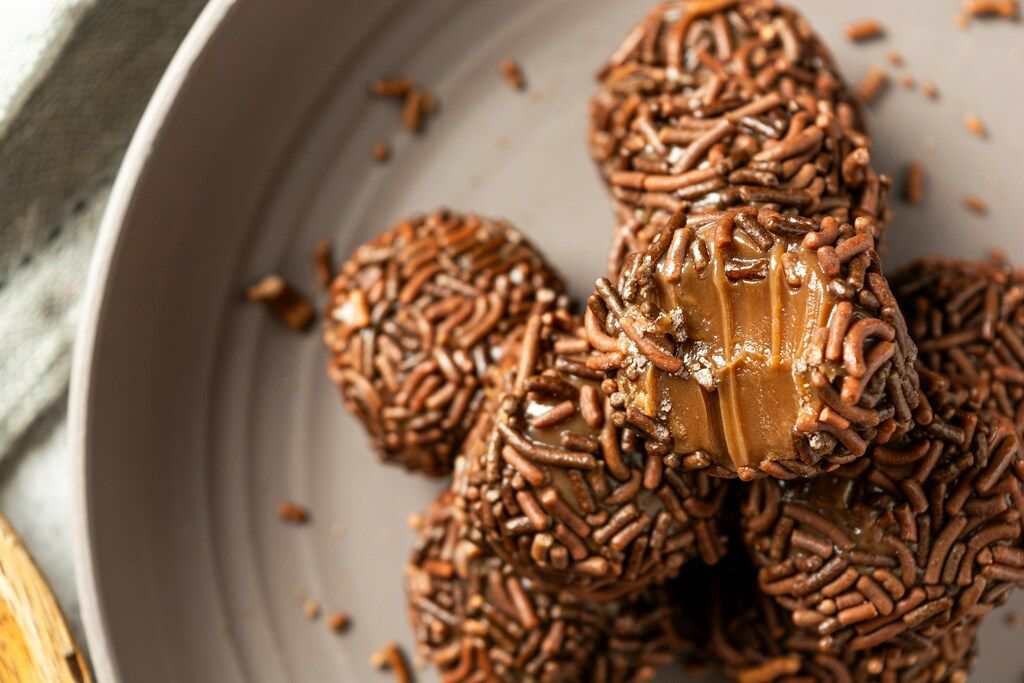
The Brigadeiro is the undisputed king of local sweets. Created in the 1940s, this truffle-like treat is made by simmering condensed milk, cocoa powder, and butter until thick, then rolling the mixture into balls and coating them in chocolate sprinkles. You can now find “gourmet” versions with pistachio or sea salt, the classic chocolate version remains the most nostalgic and essential treat for any festive occasion.
Tropical abundance and Açaí
The country’s biodiversity offers an endless parade of fruits—mango, guava, passion fruit, and the exotic graviola. While you’ll often find them transformed into mousses or fresh juices, Açaí deserves a special mention.
While the world knows it as a “superfood” bowl topped with granola, in its northern home, Açaí is a different beast entirely. There, it’s often consumed as a thick, unsweetened purple cream served with fried fish. It’s a savory, earthy experience that shows just how versatile this fruit can be across different latitudes.
Coffee: the final touch
To close any meal, a “cafezinho” is mandatory. This is not just a cup of coffee; it is an act of hospitality. Small, strong, and often served very sweet, it is offered to guests in homes, offices, and even shops. It represents the final moment of a meal, a chance to linger at the table for five more minutes and enjoy the company of those around you before returning to the hustle of the day.
The chemistry of the Caipirinha
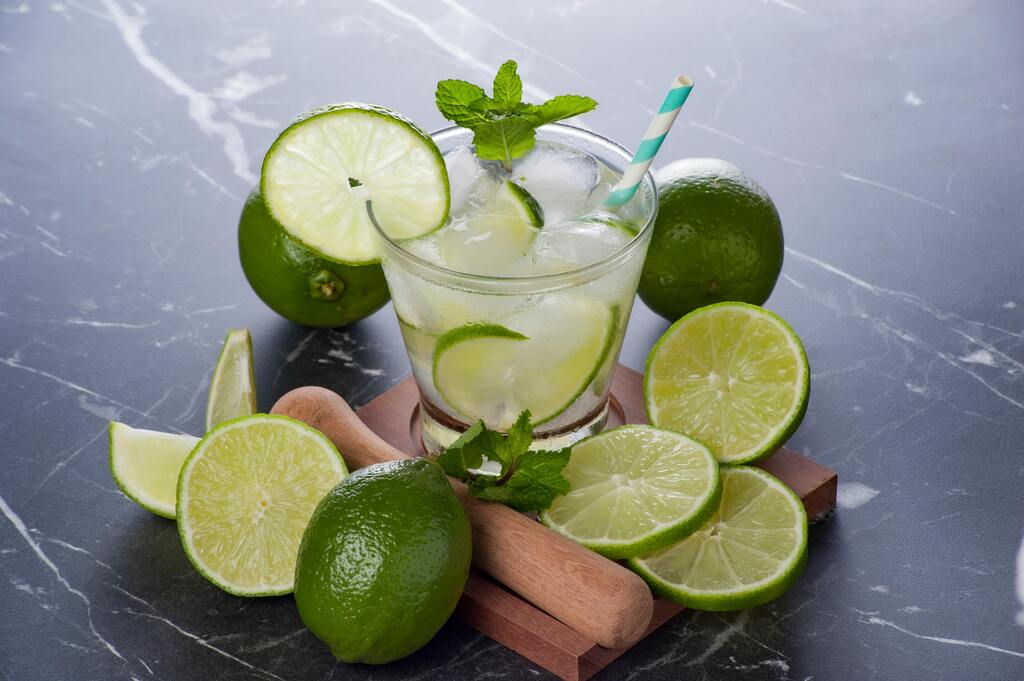
Finally, no exploration of the local palate is complete without the Caipirinha. This national cocktail is a masterpiece of simplicity: cachaça (sugarcane spirit), lime, sugar, and plenty of ice.
The secret is in the muddled lime, which releases essential oils that balance the “fire” of the alcohol. Whether you’re enjoying a salty churrasco or a heavy feijoada, the Caipirinha is the ultimate palate cleanser, embodying the laid-back, sun-soaked spirit of the coast.
Your Brazilian Flavour Adventure Begins Now
Exploring the authentic flavors of this land is, ultimately, an exercise in being present. In Brazil, the table is a sacred space where time slows down. Whether you split a moqueca or share skewers at a grill, eating is always a group project. It is through these shared feasts that the true warmth of the people reveals itself, inviting every visitor to feel like part of the family.
Are you ready to dive into this explosion of color and taste? The most rewarding way to experience these traditions is by surrounding yourself with fellow explorers who are just as hungry for adventure as you are.
To turn your culinary dreams into a reality, discover our Brazil group travel adventures and prepare to taste the heart of South America. Your seat at the table is waiting!