Trains sell out in seconds, airports hum with vibrancy, and highways shimmer with red taillights as millions journey home. This is Chunyun, the world’s largest human migration. Chinese New Year is more than a holiday; it is a powerful cultural force that pulls families together, regardless of distance.
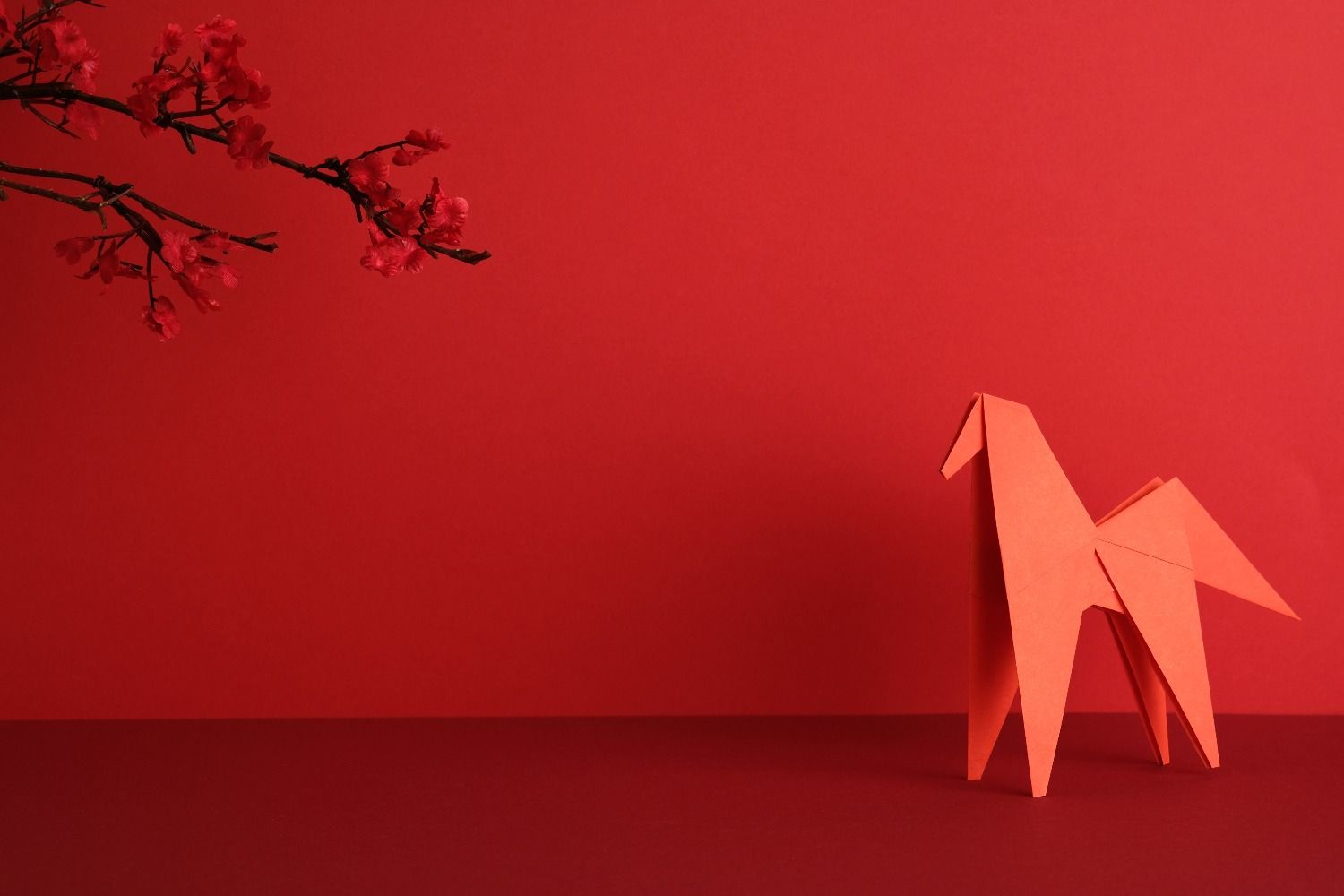
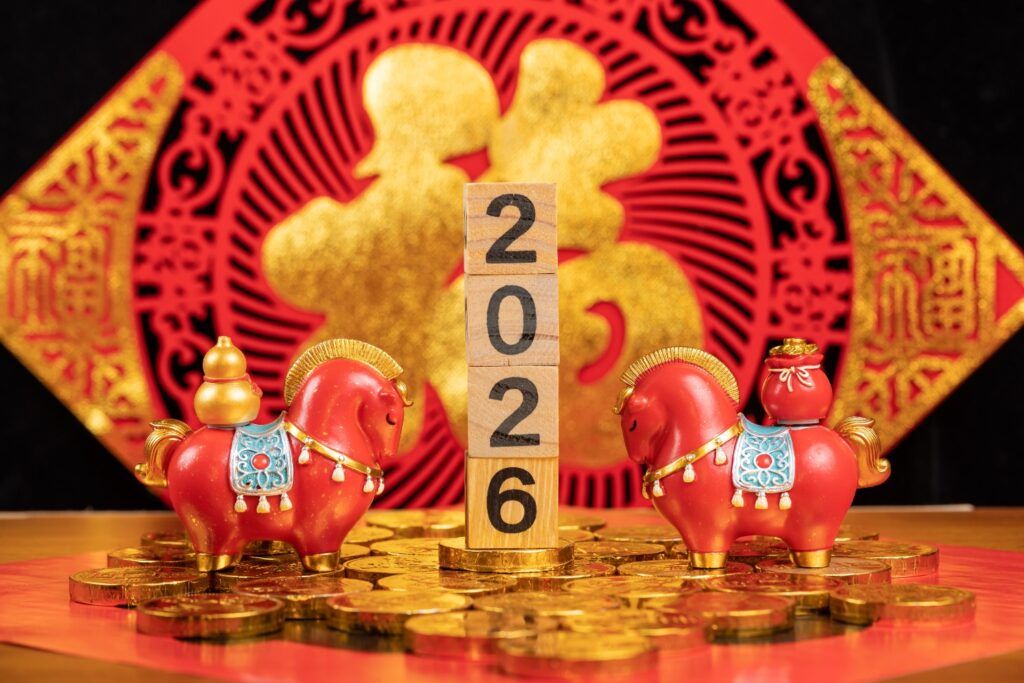
As firecrackers snap through the crisp winter air and the scent of sulfur fills streets decorated in hongse (auspicious crimson), China transforms. In 2026, this momentum will reach a peak as the world welcomes the Year of the Fire Horse. This zodiac sign embodies swift, noble, and dynamic energy, making the upcoming celebrations particularly electrifying.
In China, the lunar new year will occur on Tuesday, February 17, launching 15 days of cultural rejuvenation culminating with the Lantern Festival on Tuesday, March 3. This is no mere night of fireworks, but a living, breathing frenzy of family, friends, tradition, and self-transformation.
The Fire Horse is one of the most potent signs in the Chinese zodiac, representing speed, freedom, and charisma. This specific combination—the Horse sign with the Fire element—occurs only once every 60 years.
2026 is considered a year for bold moves, making it the ideal time for personal transformations, career shifts, or embarking on massive travel adventures. While Tigers, Dogs, and Goats will find extra affinity and luck, those born in a Horse year (e.g., 1966, 2026) should exercise caution. Traditionally, your own zodiac year (Ben Ming Nian) is thought to be challenging, requiring “grounding” activities and the wearing of red accessories for protection.
How Long Is Chinese New Year in 2026?
A common misconception is that the festival lasts only a few days. In reality, the Spring Festival spans a full 15-day cycle. While the official public holiday typically lasts about a week, the cultural celebrations run from “Little New Year” through to the Lantern Festival.
For independent travelers, timing is everything. The period leading up to New Year’s Eve sees the heaviest transit traffic. If you are planning a trip, consulting a guide on the best time to visit China is essential to navigate these seasonal crowds.
Essential Chinese New Year Traditions and Rituals
The heart of the festival is Hui Jia, the act of returning home. This pilgrimage is a testament to family bonds.
The Reunion Dinner (Nian Ye Fan): The most important meal of the year. Families serve symbolic foods like sea cucumber and abalone, representing abundance and “excess” for the coming months.
Red Decorations: Homes are adorned with Chunlian (red couplets) inscribed with gold or black calligraphy.
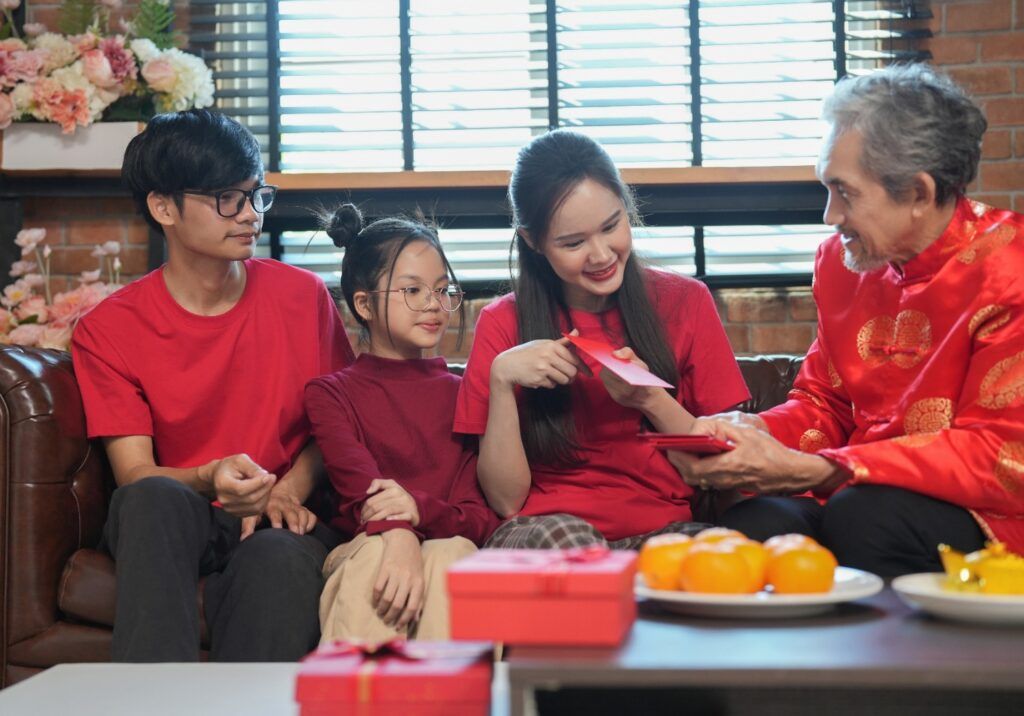
Hongbao (Red Envelopes): Elders give children red packets filled with money to anchor good luck. Today, this tradition lives on digitally via WeChat, where friends compete to open virtual red packets.
Shousui: The tradition of staying awake through the night on New Year’s Eve to welcome the new year and protect the family’s longevity.
Where to Witness the Best Celebrations in China
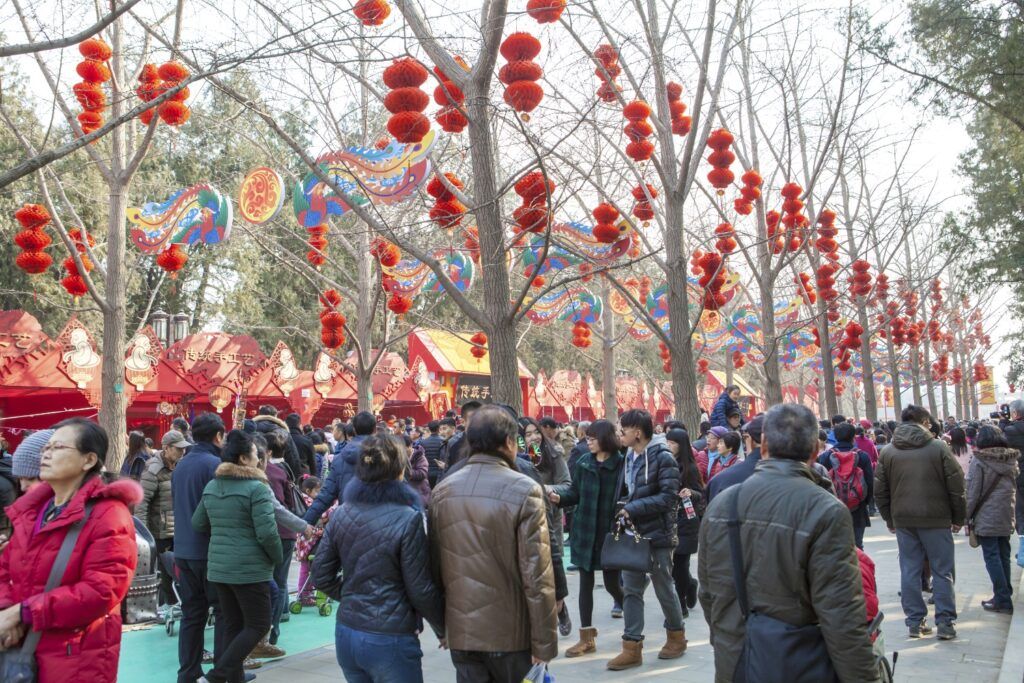
China explodes with light for the Lunar New Year, but every city celebrates differently. The Ditan Park Temple Fair in Beijing is one of the most famous in the country, offering a taste of imperial-era festivities. Here, you can watch dragon dances and folk performances while indulging in traditional street food or consulting with fortune tellers. Truly, nothing compares to the historical grandeur of a Beijing New Year.
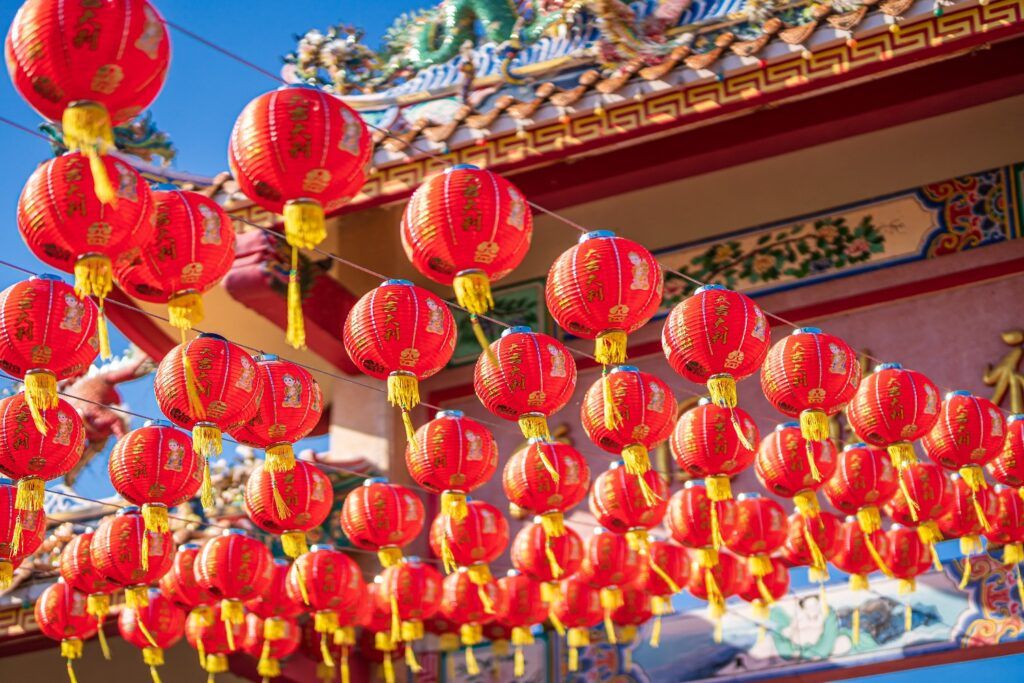
While Beijing offers tradition, Xi’an provides a visual spectacle. Everywhere you look, red lanterns hang from windows, trees, and eaves. Even the winding streets and ancient city walls are lined with festive holiday lights, creating a bridge between the past and the present.
One lesser-known phenomenon is the “ghost town” effect. During the New Year in a megacity like Shanghai, the population of 23 million vanishes as everyone returns home. The streets empty, shops shutter, and the city pulsates with a rare, quiet energy. For photographers, artists, and long-term travelers, this transformation offers a unique glimpse into a China without the usual crush.
If you’re mapping out an itinerary, this guide to the best places to visit in China highlights destinations that shine before, during, and after the Spring Festival period.
A Feast for the Senses: Traditional Chinese Food Symbolism
Food is never just sustenance—at least not during the Lunar New Year. Every dish is a blend of language, imagery, and symbolism, all intended to beckon good luck. Fish (yu), for instance, is homophonous with the word for “surplus,” representing a wish for abundance that overflows from one year to the next. It is often served whole to ensure there is plenty of “leftover” prosperity to carry into the future.
Dumplings (jiaozi) are shaped like ancient silver ingots to attract wealth. Families often prepare them together, turning meal prep into a moment of shared connection. Occasionally, a coin is hidden inside one; whoever finds it is said to be blessed with extraordinary luck in the coming year.
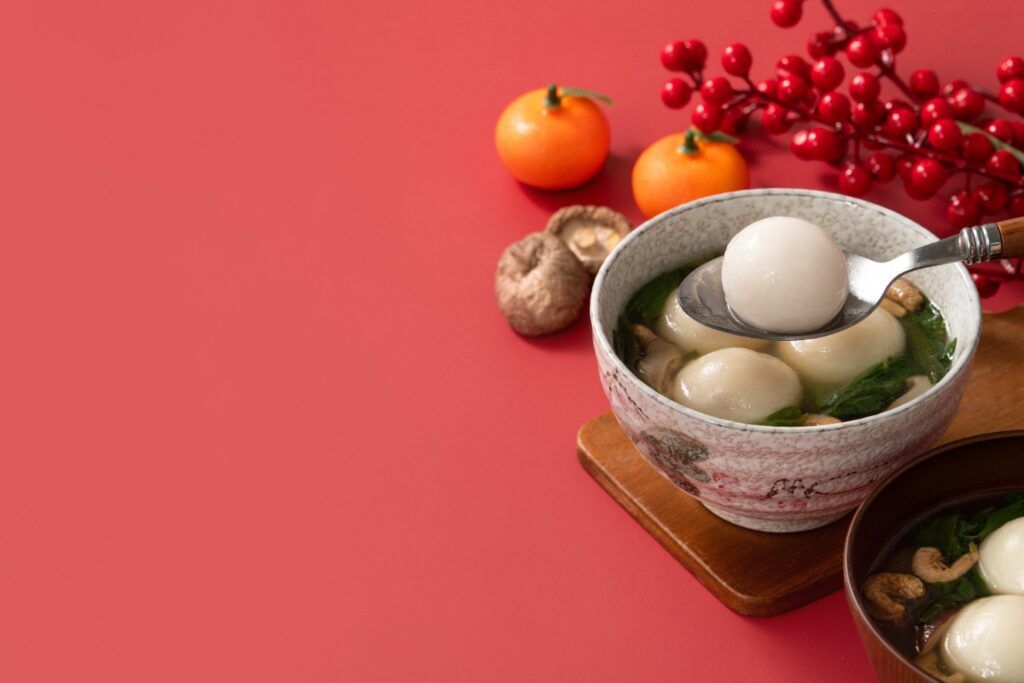
In southern China, Tangyuan (sweet rice balls) are served in syrup to symbolize family unity and togetherness. Similarly, Niangao (glutinous rice cake) is eaten to represent growth. The Chinese words “年年高升” literally means “getting higher year by year,” whether in career, height, or general status.
To discover more about these delicacies, explore this guide to traditional Chinese food to gain a deeper insight into the holiday specialties found across the country.
Three Things to Avoid on New Year’s Day
To protect your luck, there are certain things you must strictly avoid:
No cleaning or sweeping: Doing so is believed to sweep all the good fortune right out of your house!
No washing hair or clothes: The word for hair (fa) has the same pronunciation as facai (becoming wealthy). Washing your hair on the first day is symbolically seen as washing your wealth away.
No negative talk: Avoid words with dark connotations—such as death, sickness, or ghosts—to safeguard the positive energy of the new cycle.
Pro tip: If you accidentally break a plate or cup, don’t panic! There is a way to rectify it. Quickly repeat “Sui sui ping ’an” (meaning “peace all year round”). The phrase sounds like the word for “broken,” effectively turning an accident into a blessing.
Embracing the Magic of the Year of the Fire Horse
Beyond the dates and taboos, the true power of the Spring Festival lies in togetherness. Standing beneath a canopy of red lanterns, surrounded by collective laughter and effervescence, creates an emotional high that is impossible to replicate alone.
In the Year of the Fire Horse, this social energy is magnified. This is a year of motion, flow, and unstoppable momentum. It is the perfect time to “ride the wave” of shared celebration.
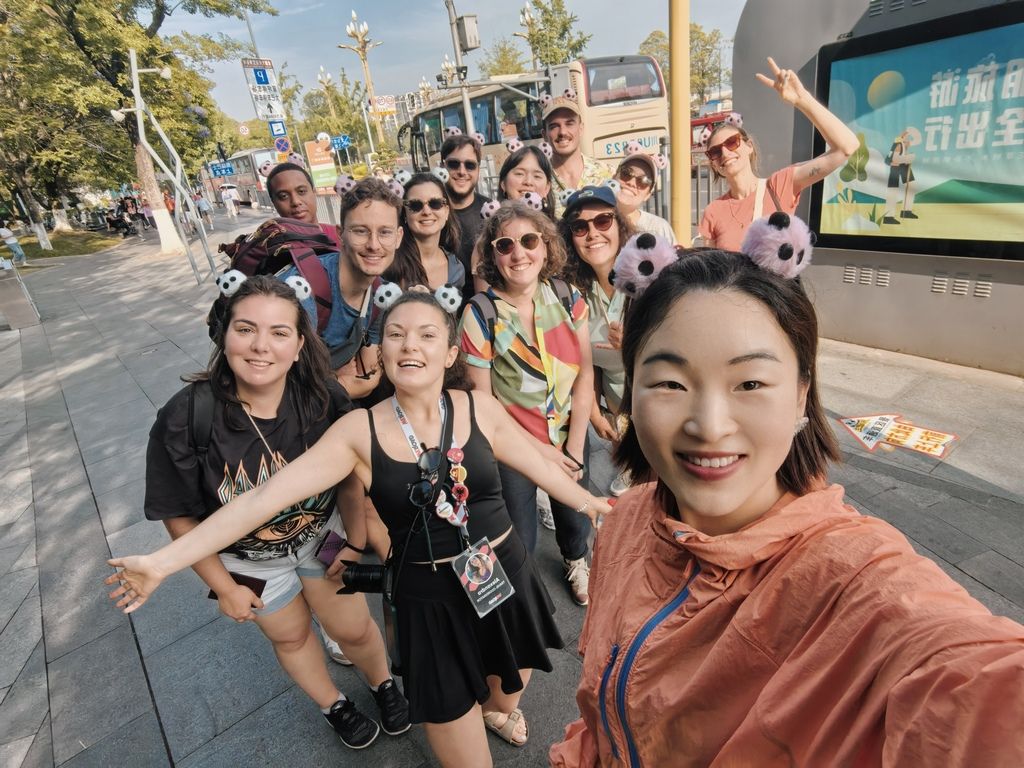
If you want to experience this once-in-a-lifetime atmosphere, consider joining a curated group experience. Explore our China group tours and enter the Year of the Fire Horse to experience the true spirit of the season: together.