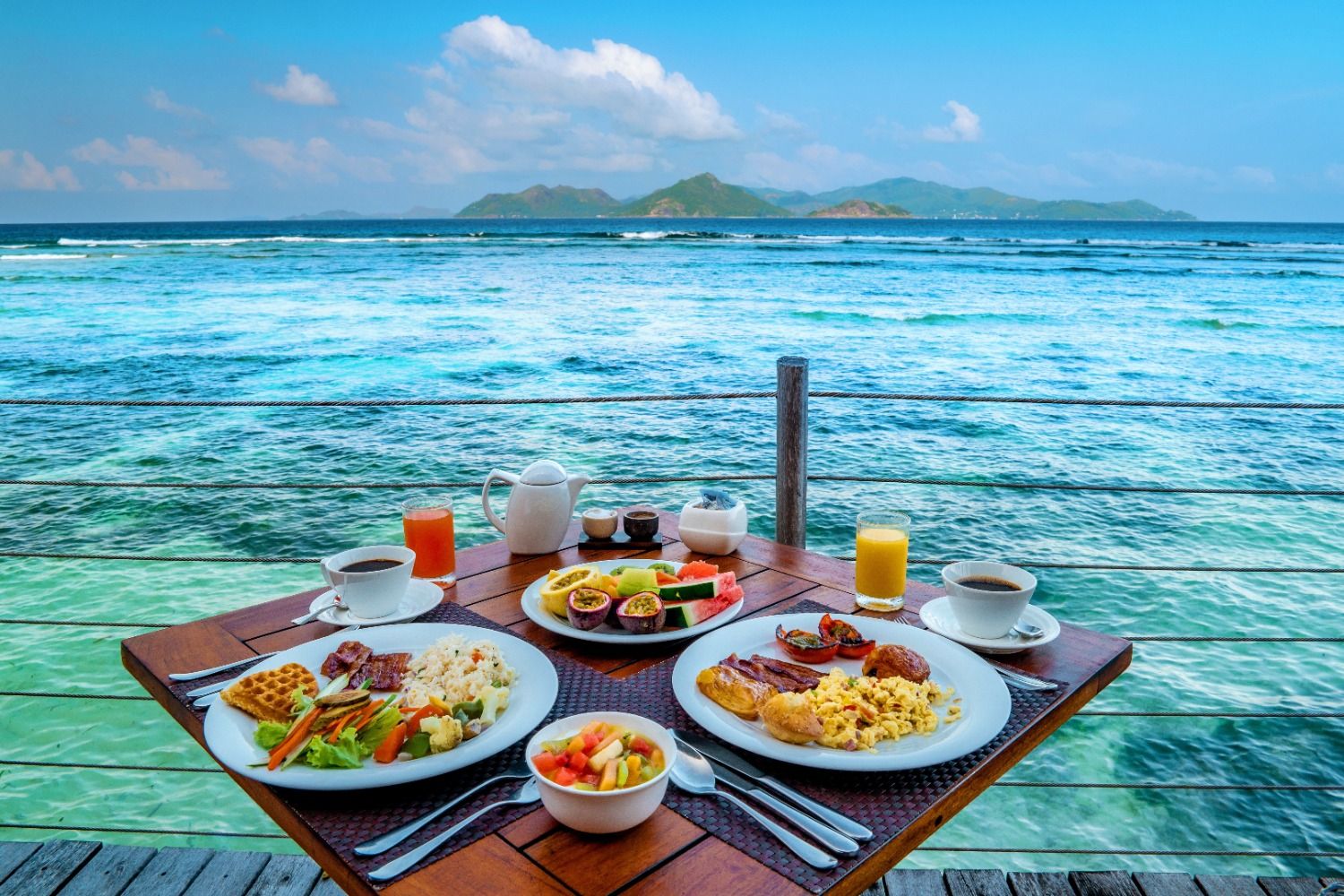
As the sun rises over the lagoon, turning the water into shimmering diamonds, the islands wake up to the first scents of Dhivehi cuisine. Shaped over centuries by Indian spices, Sri Lankan flair, and Arabic fragrances, food represents the true heart of this nation. Unlike generic resort buffets, authentic local dishes tell tales of the sea and land, reflecting the simple life of these white-sand enclaves.
Two staples define the local food scene. The most iconic breakfast is Mas Huni, a fresh blend of tuna, grated coconut, and lime. For something warmer, Garudhiya offers a clear, savory fish soup that comforts the soul.
Be aware: Maldivian cuisine loves heat. The ubiquitous Scotch Bonnet pepper gives many dishes a fiery kick, though chefs can often adjust the spice level for travelers. Dining on local islands rewards you with a vibrant mix of fresh fish, creamy coconut, and staples like rice or roshi (flatbread)—offering a genuine window into island life.
The Three Pillars Of Maldivian Cuisine: Tuna, Coconut, And Starch
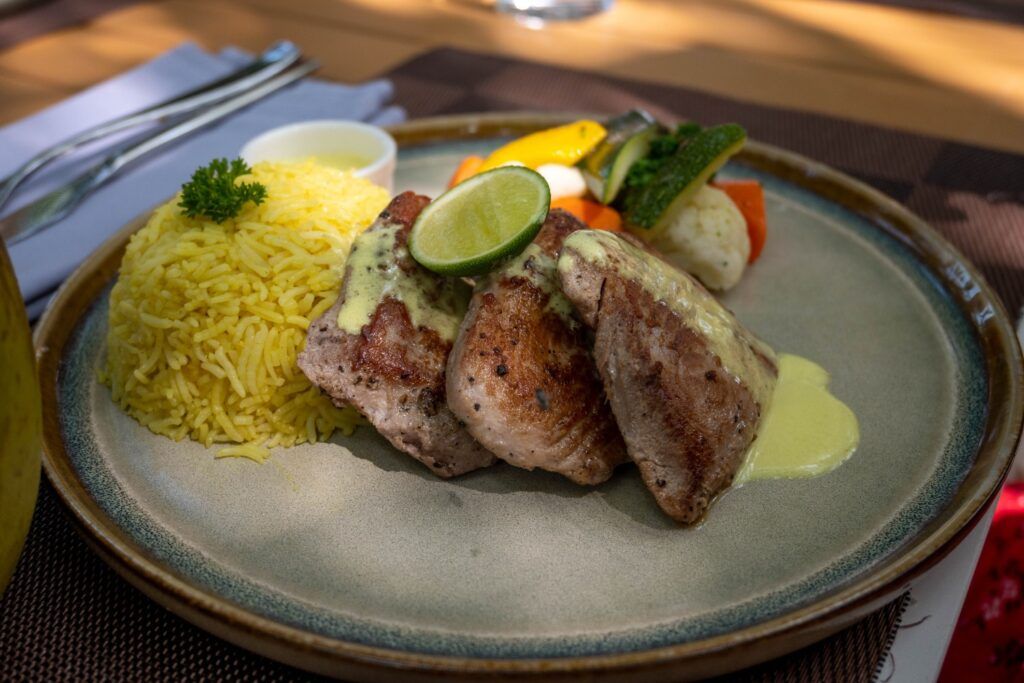
Maldivian gastronomy is built on three essential elements: the bounty of the sea, the coconut palm, and the earth. These form the unshakeable foundation of the local foodscape. Above all, Tuna (primarily Skipjack and Yellowfin) dominates the menu. Whether smoked, dried, or fresh, it appears in everything from light breakfast bowls to hearty suppers.
Tuna: The primary protein, curried for lunch, prepared for breakfast, or fried as a snack.
Coconut: The soul of every dish, providing flavour, scent, and richness through fresh oil and milk.
Starch (Rice/Taro): The essential accompaniment, typically steamed to balance the intensity of fish and curry.
These ingredients are so central that you’ll identify them in every experience, from a small tea shop on a backstreet of Maafushi to a large family wedding. Pair this culinary insight with a visit to the best places to visit in the Maldives, and you’ll see how geography and food are intertwined.
Start Your Day With Mas Huni And Roshi
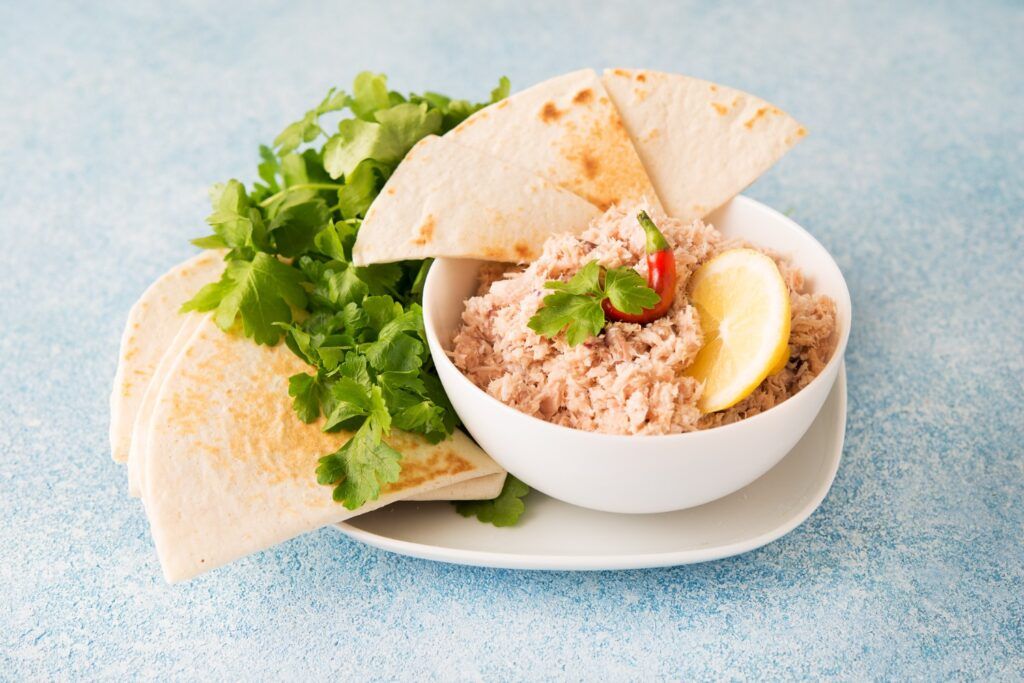
To start your morning like a true local, order Mas Huni. Often called the “breakfast of champions,” this iconic dish combines shredded smoked tuna with fresh grated coconut, lime, and a hint of chili, creating a fragrant and tangy wake-up call for your palate.
Locals scoop up the tuna mix with Roshi, a traditional flatbread that is soft and pillowy yet slightly crisp. This combination is a symbol of island life, best enjoyed with a hot cup of sweet black tea. For a lighter or vegetarian alternative, try Boshi Mashuni. This version uses tender banana flowers instead of tuna, offering a similar texture with a lovely vegetal crunch. It is a communal meal, often shared at tables where friends discuss the day’s news before the heat sets in.
Garudhiya: The Heartwarming National Fish Broth
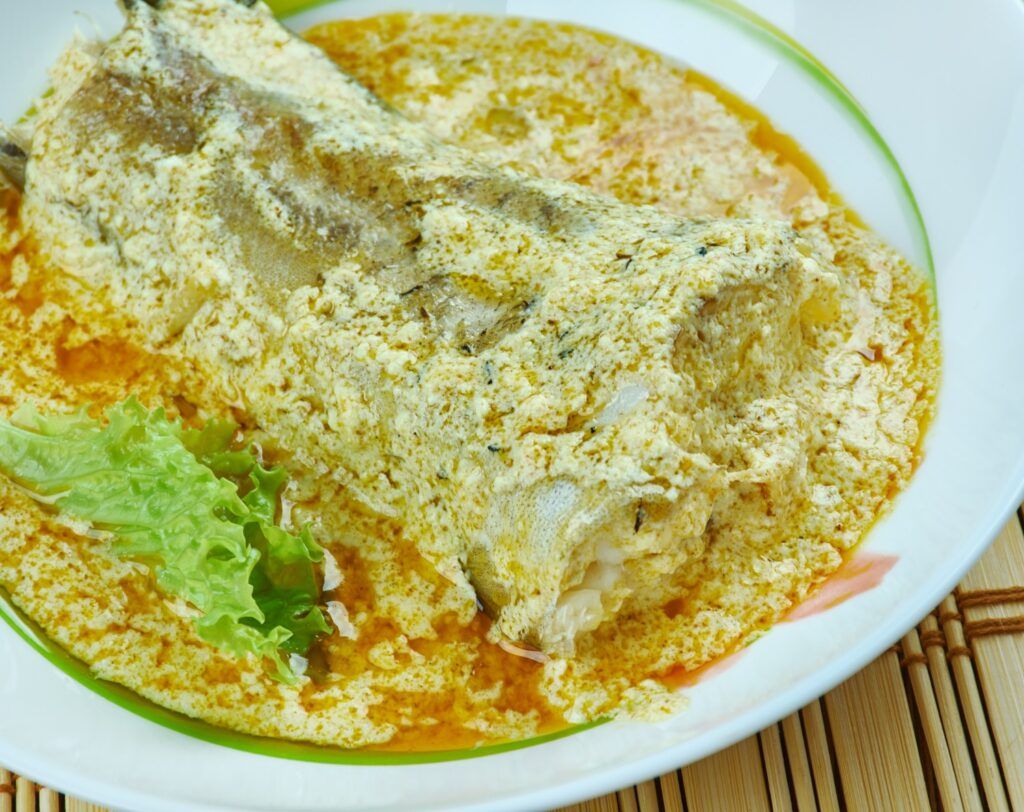
The undisputed Maldivian national dish, Garudhiya, is a fragrant fish soup that proves the islanders’ mastery of subtle cooking. Made simply with fresh chunks of tuna, salt, and water, it is typically served with steamed rice, lime, and Theluli Mas (spicy fried fish). To truly elevate the dish, locals add a dollop of Rihaakuru, a concentrated fish paste bursting with intense savory umami.
Garudhiya is the ultimate comfort food, serving as both nourishment and a symbol of the Maldivian way of life. Mixing a touch of the pungent Rihaakuru into your rice allows you to eat like a true local. Found on both café tables and in family kitchens, it illustrates how the combination of seafood and chili is almost a ritual in the atolls. While its clarity might surprise travelers used to heavy sauces, its clean flavor remains a pillar of Maldivian dining.
Dive Into The World Of Hedhikaa And Tea Shop Culture
Afternoons on the islands are dedicated to Hedhikaa, the Maldivian version of street food snacks. Around 4 PM, locals visit the Sai Hotaa (tea shops) to socialise and enjoy small treats paired with strong black tea. Popular staples include:
Gulha: Pastry balls packed with tuna and spices, fried to a golden crunch.
Bajiya: Crispy snacks filled with spicy fish or vegetables, similar to samosas.
Bis Keemiya: Flaky pastries with a savoury filling of cabbage and egg.
These snacks are the glue of social life, shared while gossip is swapped after a day on the lagoon. If you are wondering what to eat on the local islands for a quick bite, Hedhikaa is the perfect answer, encapsulating the spice and conviviality of Dhivehi culture in a single mouthful.
Maldivian Curries And The Art Of Island Spice
When it comes to Mas Riha (fish curry) and Kukulhu Riha (chicken curry), the secret lies in the balance. Unlike heavier continental curries, these are lighter and more broth-like, using coconut milk to allow the flavor of the fresh protein to shine.
The heat comes from the local Githeyo Mirus (Scotch Bonnet) and can be as intense as you desire. Served with lime and steamed rice or Roshi, these curries offer a mix of textures that work in perfect harmony. For vegetarians, Tharukaaree Riha uses local produce like pumpkin, sweet potato, and taro root, proving that the islands offer more than just seafood. Every spoonful is an adventure, stimulating the taste buds with the vibrant and complex flavours of the atolls.
Savoury Treats For Special Occasions: Kulhi Boakibaa
No celebration feels complete without Kulhi Boakibaa. Traditionally a staple at weddings and festivals like Eid, this savoury fish cake is a dense, fragrant blend of smoked tuna, grated coconut, onions, ginger, and garlic. Crucially, fresh green chilies are added to give the mix a fiery kick before it is baked until golden.
While historically reserved for special events, today many tea shops sell slices of this spicy snack alongside afternoon tea. The dish perfectly balances the pungent fish with the sweetness of the coconut. Eating Kulhi Boakibaa offers a glimpse into Maldivian heritage, an experience best enjoyed when shared with the local community.
Sweet Endings: Sago Pudding And Tropical Delights
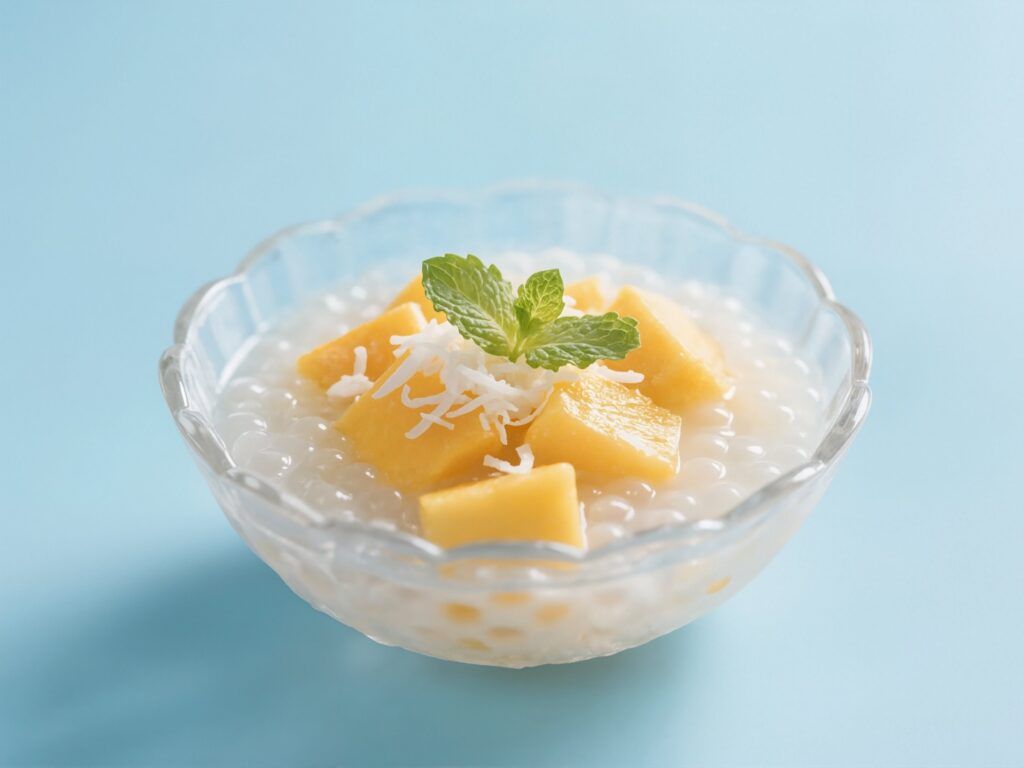
For dessert, Maldivians prefer fresh ingredients and simple preparations. Saagu Bondibai is a beloved pudding made from sago pearls cooked in coconut milk and condensed milk. It is chewy, creamy, and delicate, often infused with rose water or cardamom.
The islands also abound with tropical produce. You will find small sweet bananas and papayas served fresh, while staples like breadfruit are transformed into rich, sticky traditional sweets. These desserts capture the culinary ethos of the Maldives: paying homage to the land that grows so readily beside the sea, using seasonal bounties rather than artificial flavours.
Why The True Flavour Of The Maldives Is Better Shared
The most memorable food experiences happen far from the secluded tables of luxury resorts. Instead, they are found on communal plates, amidst the heat of local spices and the welcoming shade of island tea shops. Here, simple ingredients prove a timeless truth: the best meals are the ones shared with others.
There is a unique joy in passing around a plate of hot Gulha after a day in the ocean, or playfully debating which café serves the best Masroshi. The fire of the chili and the sweetness of the coconut do more than just feed you; they connect you to the rhythm of the atolls. In the Maldives, food fuels laughter and stories just as much as the cups of sweet black tea.
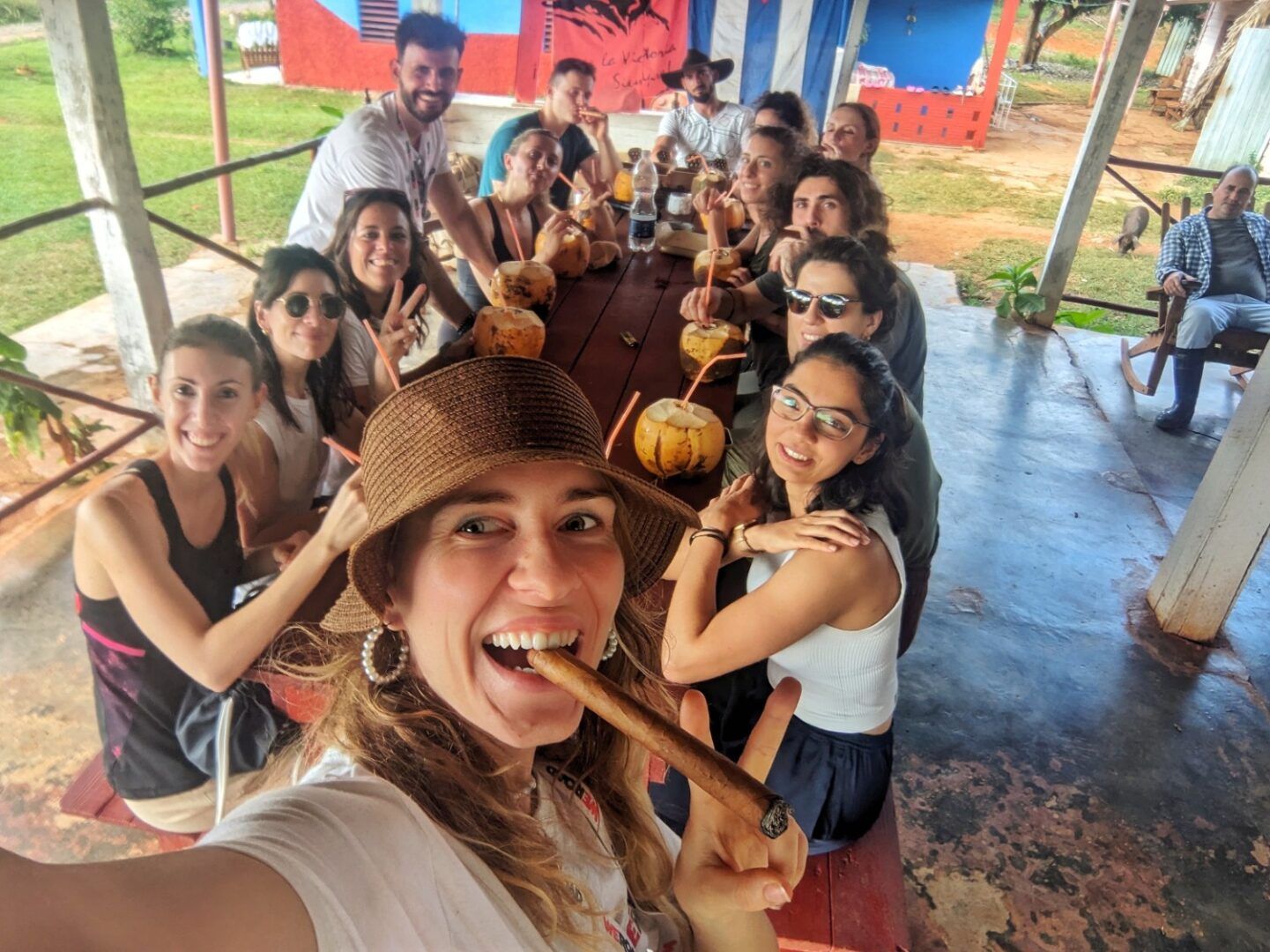
Experience this magic firsthand by joining a group adventure in the Maldives. This journey blends the beauty of the sea with the warmth of new friendships. By choosing our Maldives organized travel itineraries, you will be led through the most authentic corners of the archipelago, ensuring that every meal—and every sunset—becomes a memory worth sharing.