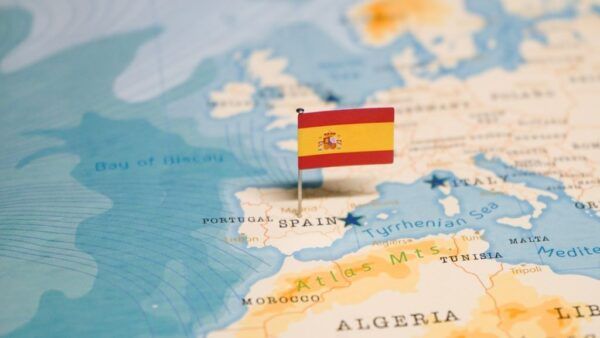
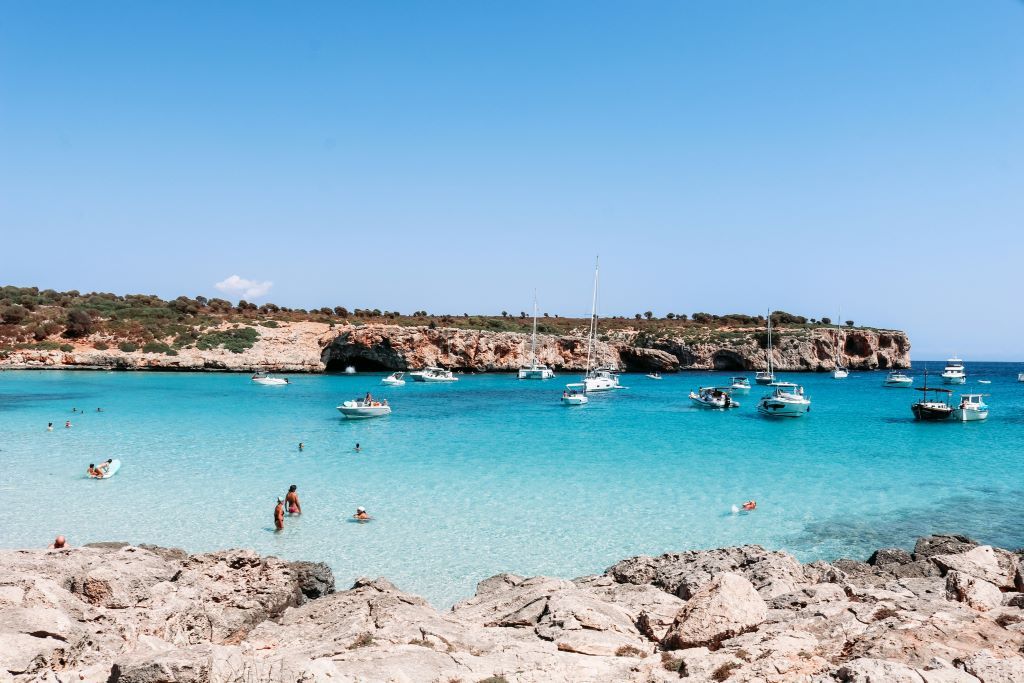
Spain is a destination of constant transformation, where historic milestones and breathtaking landscapes offer a fresh perspective for every traveler. This period is particularly special as Barcelona honors the Gaudí Centennial, marking the legacy of the architect with the anticipated completion of the Sagrada Família’s central towers. Beyond the architecture, the rugged Atlantic coast and the sun-drenched silence of the Balearic coves offer a perfect blend of high-octane energy and slow-living charm.
Whether you are seeking the avant-garde spirit of the northern cities, the traditional floral courtyards of Córdoba, or the volcanic terrain of the Canaries, the country provides a dense tapestry of cultural experiences. From the lush landscapes of Galicia to the pristine Mediterranean beaches, here are the most iconic spots to explore for an authentic taste of Spanish life.
Funnily enough, the country’s capital isn’t often high on people’s lists of famous destinations. That’s probably because landlocked Madrid is 360 kilometers from the nearest beach, but don’t worry! There are enough cool places in Madrid to visit that you won’t miss the sea.
Art lovers should prioritize the “Landscape of Light,” a UNESCO corridor including the Prado Museum and Retiro Park. A unique insider tip: visit the Temple of Debod, an authentic Egyptian temple gifted to Spain in the 1960s. If you want to dive into the local culture, remember that madrileños are nicknamed los gatos (the cats) for their love of the night. Head to the La Latina neighborhood for a Sunday morning vermouth or stay out until sunrise in Malasaña. For the best weather, check the best time to visit Spain before booking, as Madrid’s plateau can get quite hot in mid-summer.
Seville
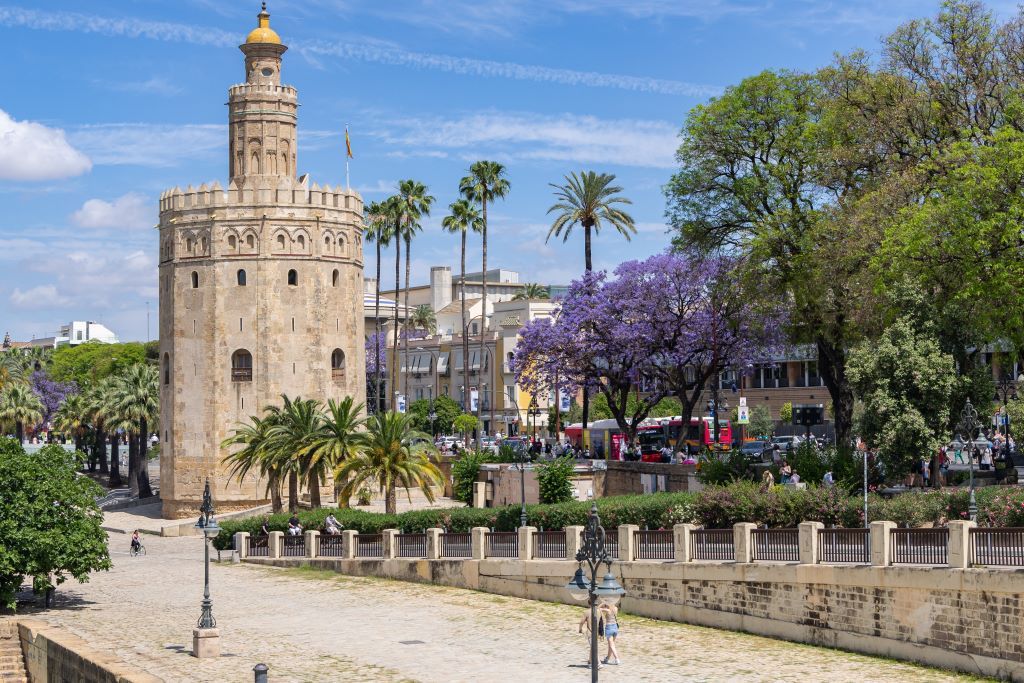
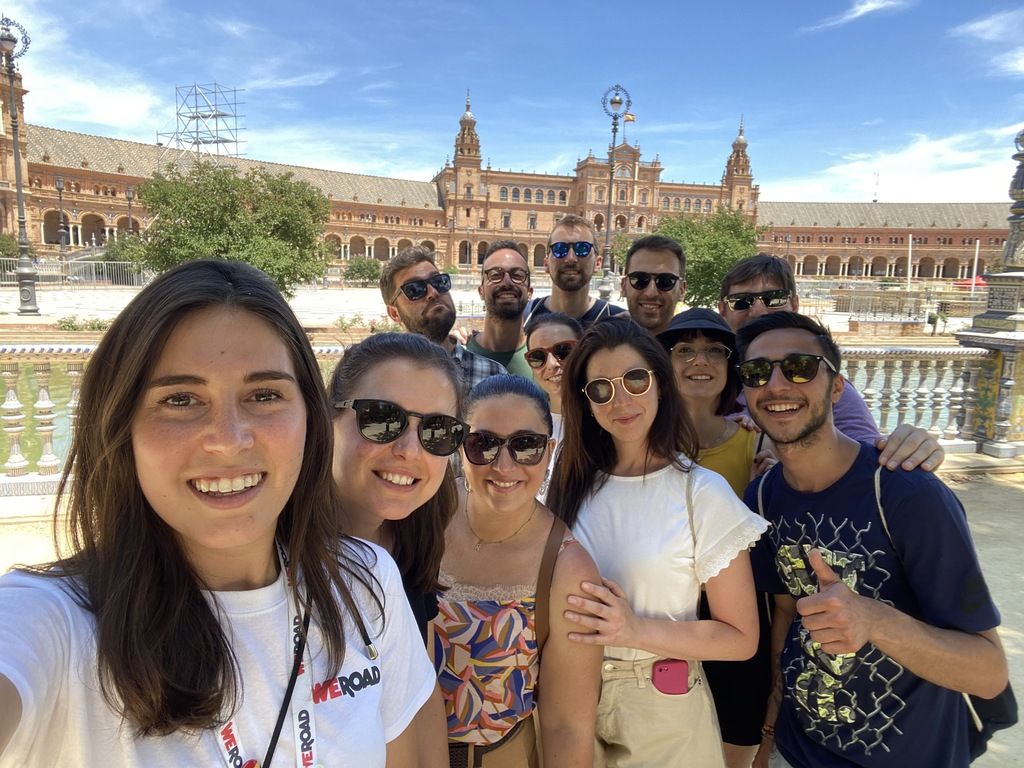
As the capital of Andalusia, Seville is the soul of Spanish tradition. It is a city of orange trees, horse-drawn carriages, and the rhythmic clacking of flamenco heels. If you want to see the city at its most vibrant, visit during the Feria de Abril, where the locals celebrate in spectacular traditional dress.
The city’s skyline is dominated by the Giralda, the minaret of a former mosque that now serves as the cathedral’s bell tower. Just across the square is the Real Alcázar, a Moorish palace so beautiful it was used as a filming location for Game of Thrones. For a modern perspective, walk across the Metropol Parasol, one of the largest wooden structures in the world, which offers sweeping views of the old town at sunset.
Granada
Granada offers a unique blend of student energy and ancient history. The crown jewel is the Alhambra, the last stronghold of the Moorish kings. It is essential to book your entry to the Nasrid Palaces months in advance, as tickets vanish quickly. For the best view of the palace against the backdrop of the Sierra Nevada mountains, hike up to the Mirador de San Nicolás at dusk.
Granada is also one of the last places in Spain where the tradition of free tapas remains strong. In the winding, jasmine-scented streets of the Albaicín (the old Arab quarter), every drink you order comes with a plate of food. It creates a social, laid-back atmosphere that makes it easy to meet locals and fellow travelers alike.
Córdoba
Once the largest city in the world, Córdoba is now a charming maze of whitewashed walls and flower-filled patios. The Mezquita-Catedral is its most famous landmark; walking through its forest of red-and-white striped arches is a transformative experience.
If you visit in May, you can witness the Battle of the Flowers and the Festival of the Patios, where residents compete for the title of the most beautiful courtyard. After exploring the Jewish Quarter, sit down for a bowl of Salmorejo. It is a thicker, heartier version of gazpacho topped with hard-boiled egg and jamón—the perfect fuel for a day of walking.
Ronda
Ronda is arguably the most spectacular of Andalusia’s “White Villages.” The town is literally split in two by El Tajo, a massive 100-meter-deep gorge. Connecting the two sides is the Puente Nuevo, a stone bridge that offers some of the most photographed views in the country.
For those who enjoy hiking, there are trails that lead from the town center down to the bottom of the gorge, allowing you to look up at the bridge and the houses clinging to the cliffside. Ronda is also home to one of the oldest bullrings in Spain, which now serves as a museum exploring the region’s complex cultural history.
Málaga
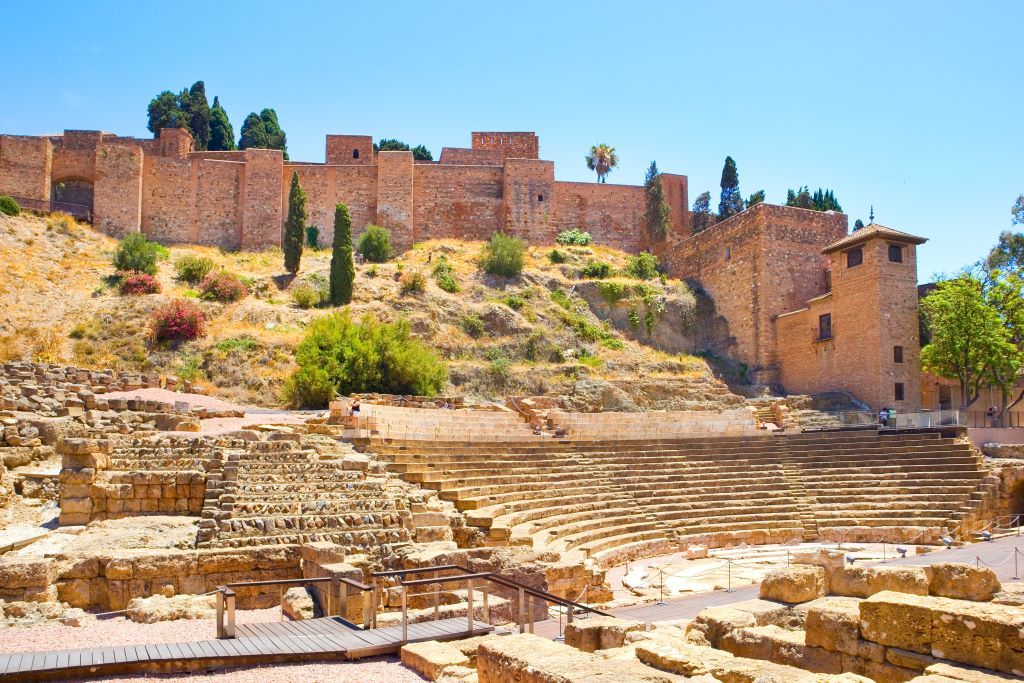
Málaga has shed its reputation as just an airport hub and emerged as a top-tier cultural destination. It is the birthplace of Picasso, and the museum dedicated to him in the city center is a must-visit. The city’s port area, Muelle Uno, has been transformed into a sleek promenade filled with shops and outdoor restaurants.
For a mix of history and nature, hike up to the Gibralfaro Castle. The ramparts offer a 360-degree view of the city, the bullring, and the Mediterranean Sea. If you are feeling brave, Málaga is the starting point for the Caminito del Rey, a formerly “world’s most dangerous” hiking path that is now a safely restored wooden walkway pinned to the side of a massive limestone gorge.
Almería
If you find the Costa del Sol too crowded, Almería is your escape. This province is home to the Cabo de Gata-Níjar Natural Park, a wild, volcanic landscape where the desert meets the sea. Here, you’ll find some of the most pristine and uncrowded beaches in the country, like Playa de los Genoveses.
Almería is also famous for the Tabernas Desert, Europe’s only true desert. Its rugged beauty was the backdrop for classic “spaghetti western” films like The Good, the Bad and the Ugly. You can still visit the old film sets or explore the dusty canyons on horseback, making it one of the most unique “hidden gems” in southern Spain.
Barcelona
The Catalan capital remains one of the most captivating cities on earth. In honor of the Gaudí Centennial, the city is buzzing with architectural tours and special events. While the Sagrada Família is the main draw, don’t miss what to do in Barcelona beyond the monuments, such as visiting the local markets.
To escape the tourist traps of La Rambla, head to the Gràcia neighborhood. It feels like a small village within a city, filled with independent boutiques and leafy plazas where locals gather for coffee. For a bit of Mediterranean air, walk through the Barceloneta district to the beach, or take the cable car up to Montjuïc for a view of the harbor.
Girona and the Costa Brava
Just an hour north of Barcelona, Girona is a medieval masterpiece. Its colorful houses reflecting in the Onyar River and its narrow Jewish Quarter make it one of the most romantic stops in Catalonia. It is also a world-class destination for cycling and fine dining, being home to some of the world’s best restaurants.
From Girona, head to the Costa Brava. Unlike the flat sandy stretches further south, this “Rugged Coast” is made of hidden coves and pine-fringed cliffs. Follow the Camins de Ronda, a series of ancient coastal paths that link picturesque towns like Cadaqués and Tossa de Mar. It is the perfect place for those who want to combine a beach holiday with active exploration.
Ibiza
Ibiza is a land of contrasts. Beyond the world-famous clubs of San Antonio and Playa d’en Bossa lies a deeply spiritual and natural island. Dalt Vila, the UNESCO-listed old town of Ibiza city, is a fortress of winding cobblestone streets and hidden art galleries.
For a quieter experience, head to the north of the island to explore the Hippy Markets or hike to the secret cove of Cala Aubarca. The island’s red soil and turquoise waters create a striking landscape that has inspired artists for decades. It is the ideal place to practice “slow travel” before catching a ferry to its neighboring island.
Formentera
Formentera is the Mediterranean’s best-kept secret. With no airport, the island is only accessible by boat, which has helped it maintain a peaceful, laid-back vibe. It is often called the “Caribbean of Europe” due to the incredible clarity of its water, a result of the protected Posidonia seagrass meadows surrounding the island.
The best way to explore is by bicycle or e-scooter. Ride to Playa de Ses Illetes, a narrow strip of white sand where you can see the sea on both sides. There are no high-rise hotels here, only small chiringuitos (beach bars) and lighthouse views, making it the perfect spot for a digital detox.
Valencia
Valencia is a city that bridges the gap between the medieval and the futuristic. The City of Arts and Sciences looks like something out of a sci-fi movie. While the Mercado Central is a masterpiece of Art Nouveau architecture.
As the birthplace of paella, the city takes its rice very seriously. An insider tip: authentic Paella Valenciana is traditionally enjoyed for lunch, as it is considered too heavy for dinner. After your meal, rent a bike and ride through the Turia Gardens, a lush green park that stretches across the entire city in what used to be a riverbed.
San Sebastián
San Sebastián is the culinary capital of the north. Situated on the crescent-shaped La Concha Beach, it is one of the most beautiful coastal cities in Europe. The main event here is the pintxo crawl through the Parte Vieja (Old Town).
Each bar has its own specialty, from freshly seared scallops to the famous Basque burnt cheesecake at La Viña. After eating, burn off the calories by hiking up Mount Urgull for a view of the bay. You can also take the funicular up to Mount Igueldo for a vintage amusement park experience.
Bilbao
Just down the coast from San Sebastián is Bilbao, a city that proved how art can transform an industrial hub. The Guggenheim Museum, designed by Frank Gehry, is as much a work of art as the pieces inside.
Beyond the museum, the city has a gritty, cool atmosphere. Explore the Casco Viejo (Old Quarter) for its “Seven Streets” of traditional shops and bars. Bilbao is also the gateway to the Basque Coast. You can find Gaztelugatxe, a dramatic island topped with a hermitage that gained fame as “Dragonstone” in Game of Thrones.
Santiago de Compostela and the Canary Islands
We conclude our journey with two extremes. In the northwest, Santiago de Compostela is the spiritual heart of Spain. Watching the pilgrims arrive at the cathedral after weeks of walking the Camino de Santiago is a moving experience. Galicia’s lush, green landscape and Atlantic seafood offer a refreshing change from the sun-baked south.
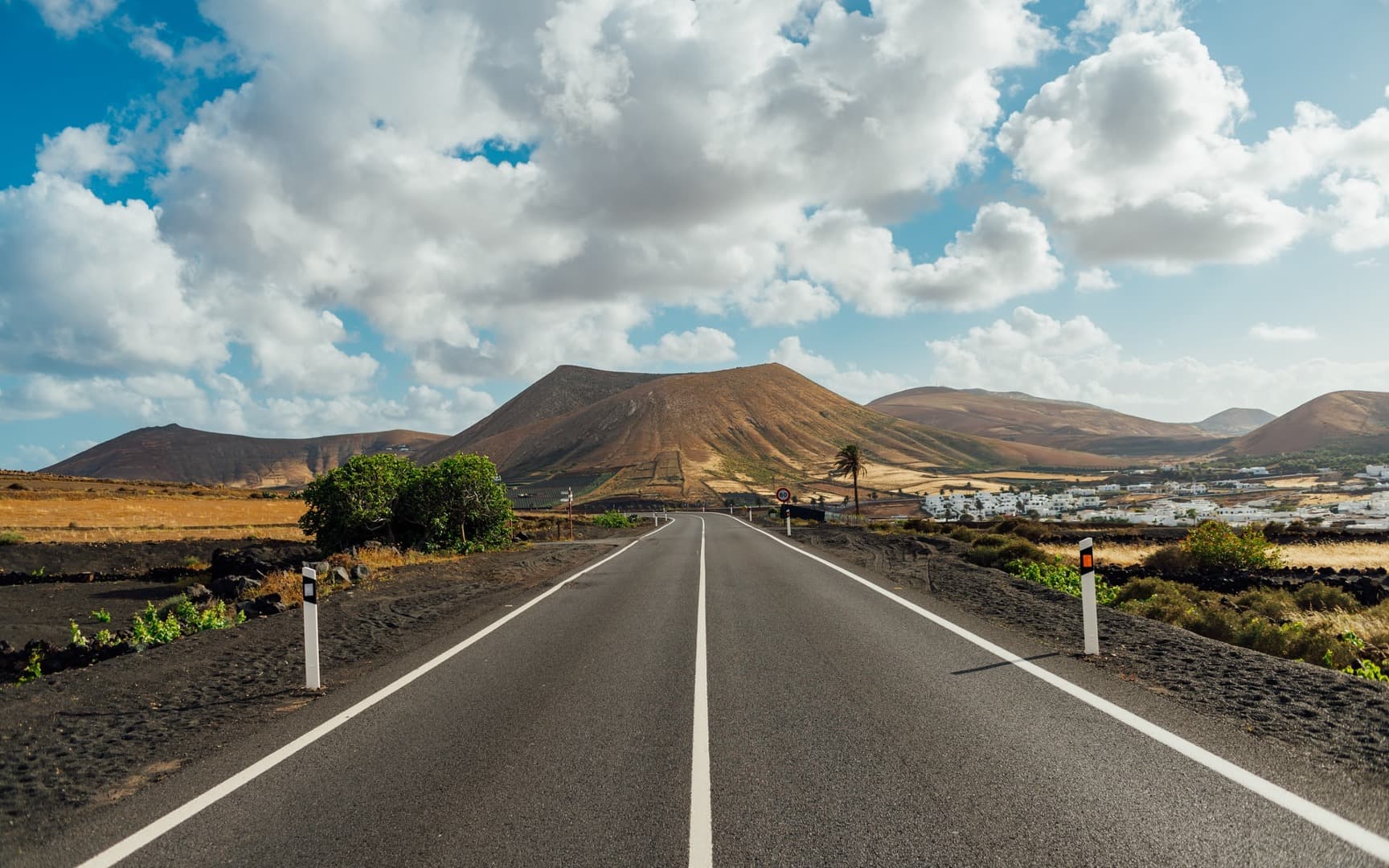
Finally, the Canary Islands offer a volcanic paradise off the coast of Africa. From the lunar landscapes of Teide National Park in Tenerife to the massive sand dunes of Maspalomas in Gran Canaria, these islands are a playground for outdoor enthusiasts. Whether you want to surf, stargaze, or explore volcanic caves, the Canaries provide a year-round spring climate that is impossible to resist.
Discover the magic of sharing the road
Spain is a country built on the joy of collective moments, from the roar of a crowd at a festival to the quiet clinking of glasses at a shared tapas table. Exploring the hidden coves of the Costa Brava or the rhythmic heart of a Seville flamenco club feels more vibrant when you have a tribe to turn to and say, “Can you believe this?”
These journeys are about more than just checking items off a list; they are about the late-night stories born in Madrid’s plazas and the friendships forged while watching the sun dip into the Atlantic. For an adventure that is as seamless as it is soulful, consider joining a group of like-minded explorers. Ready to start your next chapter? Discover all our group adventures in Spain and find your place in the sun.
FAQ
Which is the nicest city in Spain to visit?
While “nicest” is subjective, San Sebastián is frequently voted the most beautiful coastal city due to its elegant Belle Époque architecture and the crescent-shaped La Concha beach. If you prefer a historic, soulful atmosphere, Seville is often considered the most charming, especially in spring when the scent of orange blossoms fills the air. For those seeking a balance of modern life and beach relaxation, Valencia is a 2026 traveler favorite for its green spaces and futuristic flair.
What are the five largest cities in Spain?
If you love the high-energy buzz of a major metropolis, Spain’s five most populated cities are:
Madrid: The sprawling capital and cultural heart.
Barcelona: The cosmopolitan Catalan giant.
Valencia: A Mediterranean hub of science and art.
Seville: The historic and sun-drenched capital of Andalusia.
Zaragoza: A hidden gem in the northeast known for its grand cathedral and Goya heritage.
Where is the most popular city in Spain for tourists?
Madrid and Barcelona consistently compete for the top spot. In 2026, Barcelona is expected to see a massive surge in popularity due to the Gaudí Centennial and the progress on the Sagrada Família. However, Madrid remains the most visited city overall for its world-class art museums (The Prado) and its status as the country’s primary international gateway.