Romania is one of Europe’s most underestimated destinations. Quiet on the map, it rewards those who look closer with medieval towns, wild landscapes, and traditions that still shape daily life. Beyond the familiar Dracula myths lies a country that feels layered, authentic, and refreshingly unpolished.
What makes Romania truly distinctive is how different eras coexist naturally. Saxon towns are still lived in, castles rise above ancient forests, and contemporary art spaces thrive inside historic streets. Romania rewards curiosity, patience, and a willingness to slow down. Ask what the country is best known for, and three elements consistently stand out: Transylvanian castles, legendary mountain roads, and the living traditions of regions like Maramureș. Together, they form the backbone of a memorable Romanian journey.
Transylvania’s Iconic Castles: Truth, Fiction, And Spectacular Views
Transylvania is best experienced selectively. Rather than rushing through every castle, focus on a few that tell distinct stories.
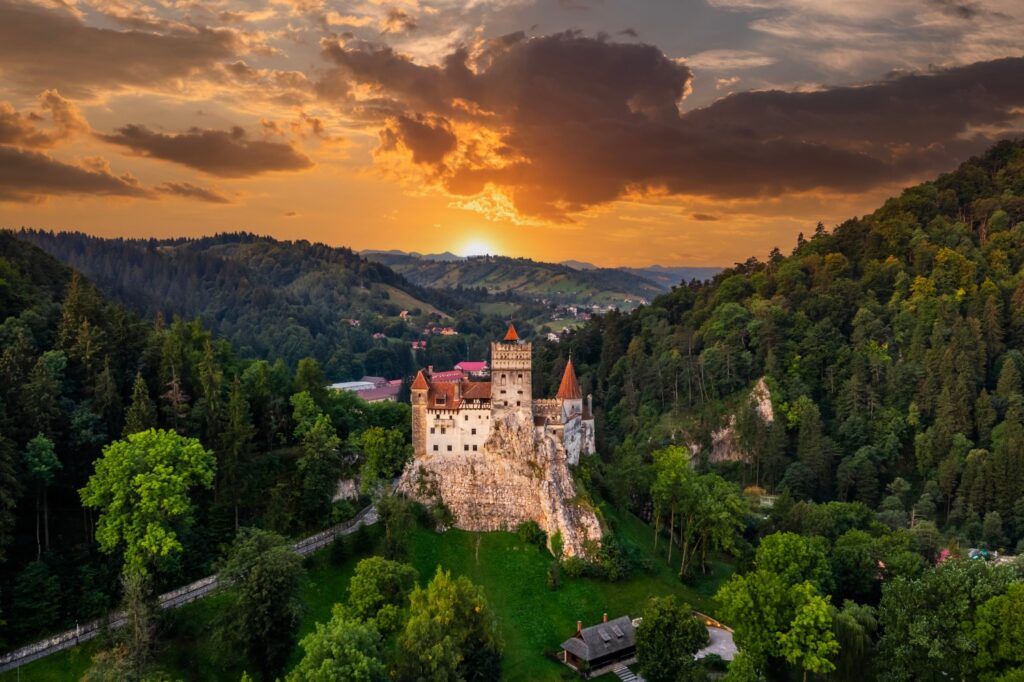
Bran Castle: is the most famous, often associated with Dracula. While its link to Vlad the Impaler is tenuous, its dramatic hilltop setting makes it visually unforgettable. Arrive early to avoid crowds.
Peleș Castle: built in German Neo-Renaissance style, is widely considered Romania’s most beautiful building. Its interiors—rich in carved wood, stained glass, and detail—are as impressive as the façade. Entry is limited, so planning ahead is essential.
Poenari Citadel: for a more authentic experience, climb the 1,480 steps to this genuine fortress of Vlad the Impaler. It is a rugged, quiet ruin that offers a powerful sense of history.
These sites are spread across the mountains, so planning matters. Visiting Peleș in the morning and Bran later in the day works well. Always bring water and a light layer—mountain weather changes fast.
The Trans-Carpathian Roads: Driving The World’s Greatest Challenge
In Romania, the journey often becomes the highlight. Crossing the Carpathian Mountains delivers some of Europe’s most spectacular driving experiences, where the road itself is part of the adventure.
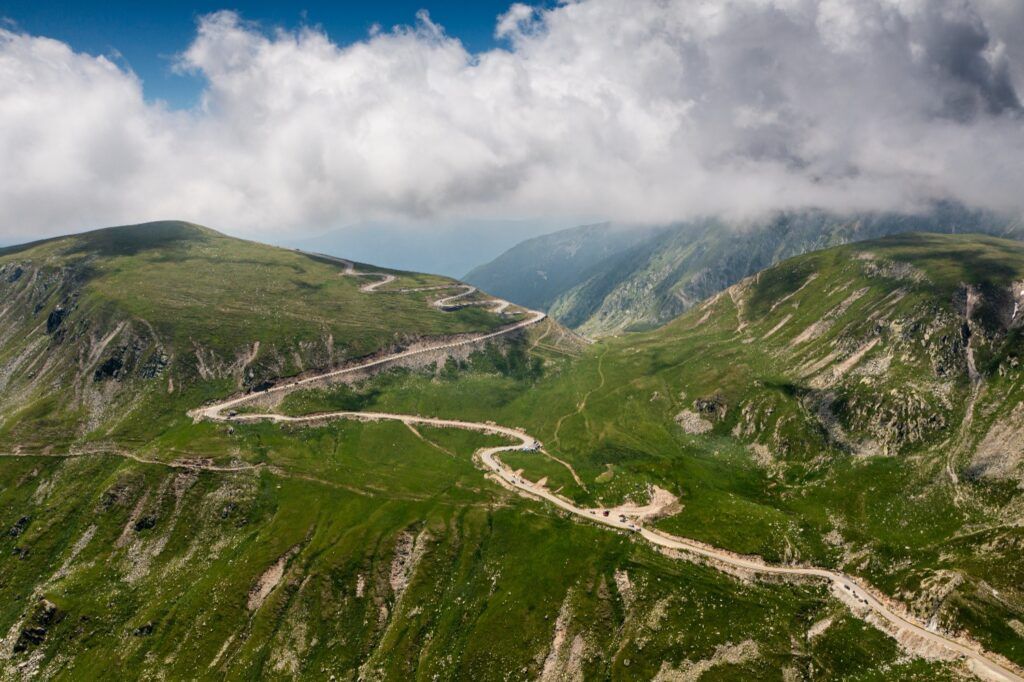
The Transfăgărășan Highway (DN7C) is legendary. Stretching over 90 km, it coils through the Făgăraș Mountains with dramatic hairpins, waterfalls, and sweeping alpine views. The stop at Bâlea Lake, the road’s highest point, is unforgettable. Snow limits access, so it’s usually open only from July to October.
The Transalpina (DN67C) offers a quieter alternative. Reaching even higher elevations, it crosses open alpine meadows and feels calmer, wilder, and less trafficked.
Many travellers choose to experience these roads with a local driver, allowing everyone to focus on the scenery rather than the steering wheel. Whether dramatic or serene, these routes turn travel time into a defining memory.
Sighișoara And The Saxon Villages: A Medieval Time Warp
Transylvania’s Saxon heritage isn’t preserved behind ropes—it’s lived in. These towns remain active communities where history blends seamlessly into everyday life.
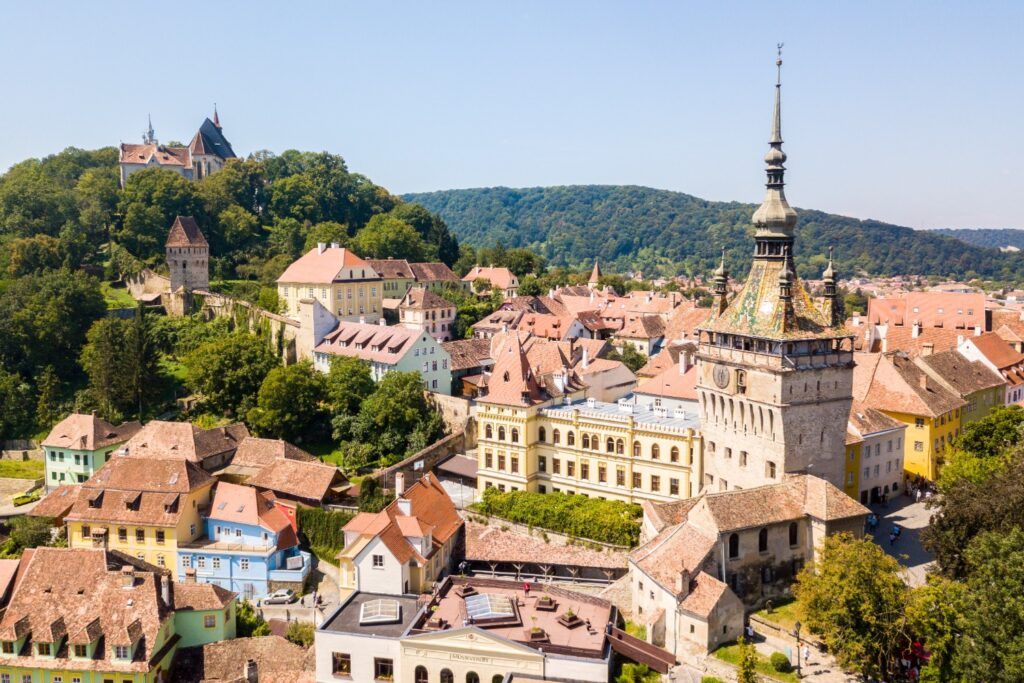
Sighișoara, a UNESCO World Heritage site, is Europe’s only continuously inhabited medieval citadel. Cobbled streets, pastel houses, and defensive towers surround the iconic 14th-century Clock Tower. Climbing to the top rewards visitors with panoramic views across rooftops and rolling hills.
Its compact size makes exploration easy and enjoyable. Wandering without a plan, regrouping in a medieval square, or lingering over local wine all feel natural here. Late afternoons are especially atmospheric once day-trippers leave.
Nearby villages like Viscri and Biertan deepen the experience. Their fortified churches and rural rhythms reveal a slower, older Romania. Spending a night in a local guesthouse—especially in Viscri—often becomes a highlight, thanks to genuine hospitality and home-cooked meals.
Bucharest: Beyond The Parliament Palace
Bucharest often defies expectations. Monumental and lively, rough-edged and creative, it rewards those who give it time.
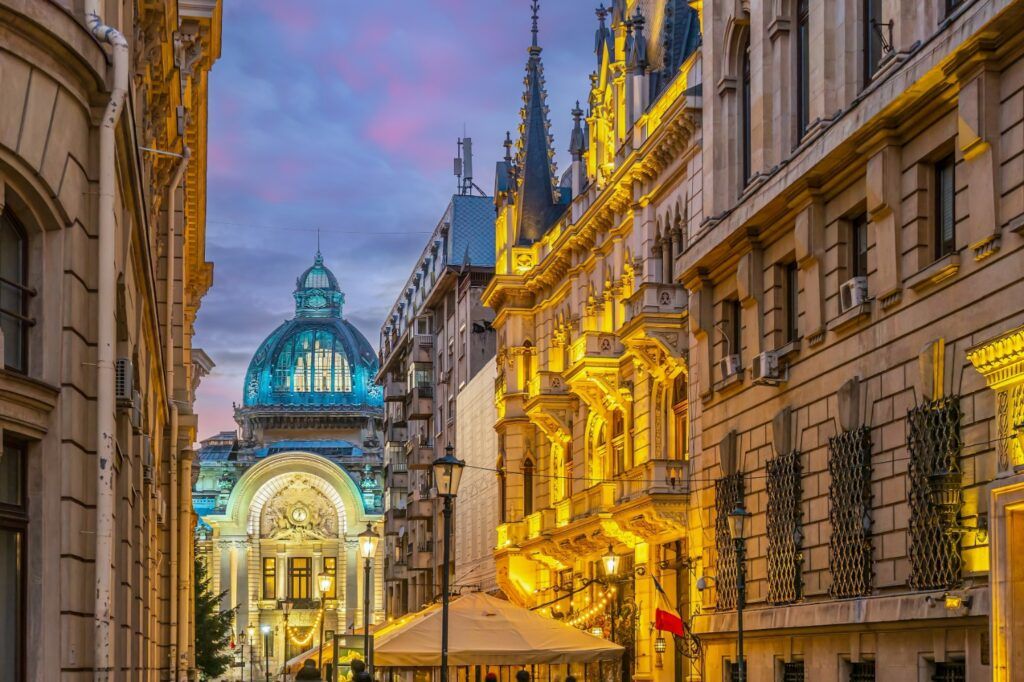
Centrul Vechi (Old Town) is the social heart of the city, filled with cafés, bars, and restored buildings. It’s easy to explore on foot, making it ideal for shared evenings and spontaneous stops.
For contrast, Herăstrău Park offers space to slow down. Walking paths, bike rentals, and lake views provide a welcome pause from sightseeing.
The Palace of the Parliament remains impossible to ignore. One of the world’s largest buildings, it requires advance booking and ID, but offers insight into Romania’s recent past.
Museums are best chosen selectively. The Village Museum provides context for rural regions, while smaller galleries highlight contemporary creativity. Coffee shops and craft breweries around Piața Romană and Floreasca reveal the city’s modern energy. Using the metro saves time, and comfortable shoes make long boulevards manageable.
Authentic Romanian Experiences And Hidden Gems
Romania becomes truly memorable when you stop chasing landmarks.
The Painted Monasteries of Bucovina stand out for their exterior frescoes, which once taught biblical stories to illiterate communities. Even visitors uninterested in religion often linger longer than expected.
Salina Turda, a former salt mine turned underground attraction, surprises almost everyone. Its vast caverns, lake, and walkways create a surreal sense of scale—and often become a shared “how is this real?” moment.
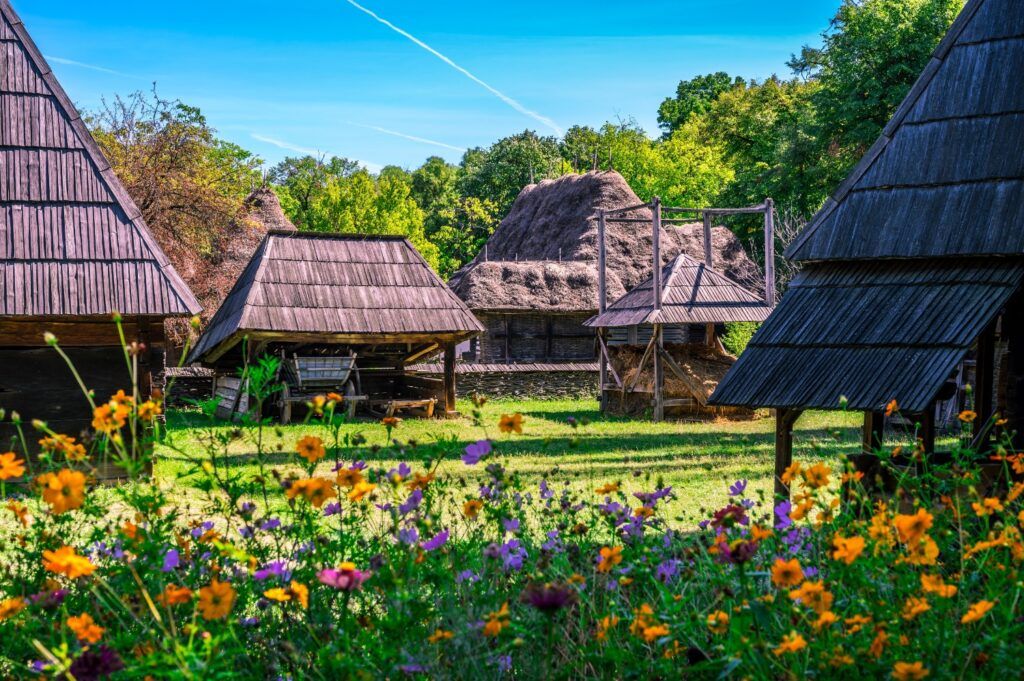
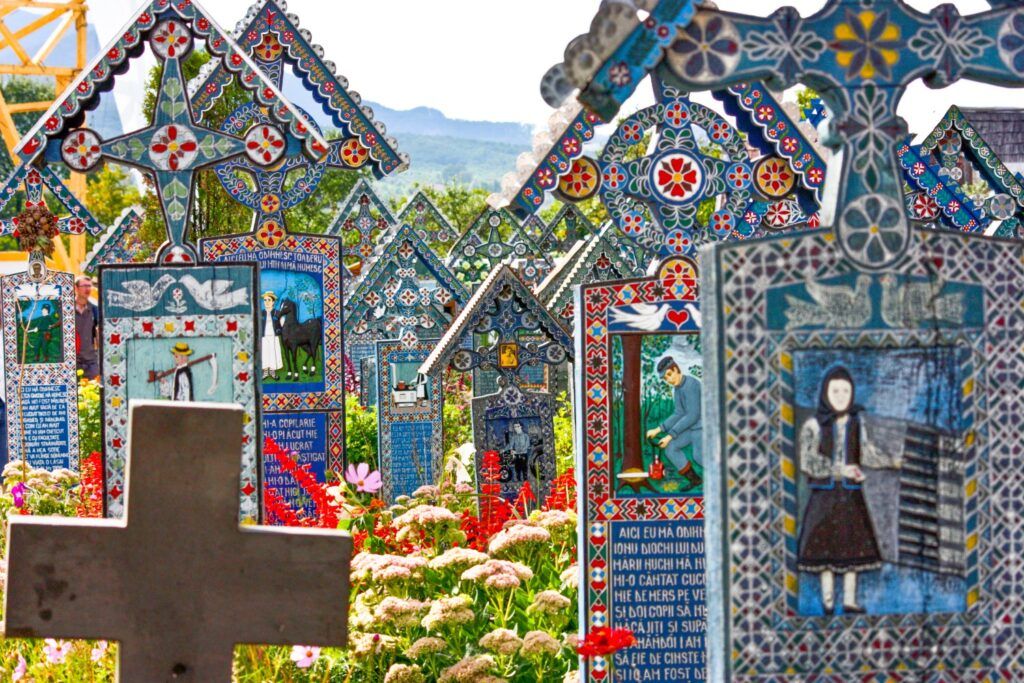
In Maramureș, traditions feel lived rather than staged. Wooden churches rise from the hills, traditional clothing is worn daily, and places like the Merry Cemetery of Săpânța combine humour with reflection on life and death.
Festivals add another layer. If one appears during your stay, go with it—living culture always beats rigid planning.
Practical Tips And Travel Etiquette For Romania
Romania is welcoming, and small gestures go a long way.
Learn a few Romanian words: it opens doors and conversations.
Ask before photographing people, especially in rural areas.
Slow the pace: one shared sunset can be more memorable than five rushed stops.
Carry some cash (RON) for markets and villages.
Stay flexible: detours often become highlights.
Romania: The Unexpected Adventure That Awaits You
What makes this trip stick with you is its authenticity. Medieval towns, wild landscapes, and spiritual sites aren’t just backdrops—they’re places where real stories unfold.
For travellers seeking depth and shared discovery, the country offers moments that stay long after the journey ends. Experiencing Romania together means laughter on winding mountain roads, quiet awe inside a salt mine, and friendships formed over traditional meals.
If you’re ready to turn this guide into lived experience, joining a Romania group travel adventure transforms sightseeing into shared memories—because some places are simply better discovered together.