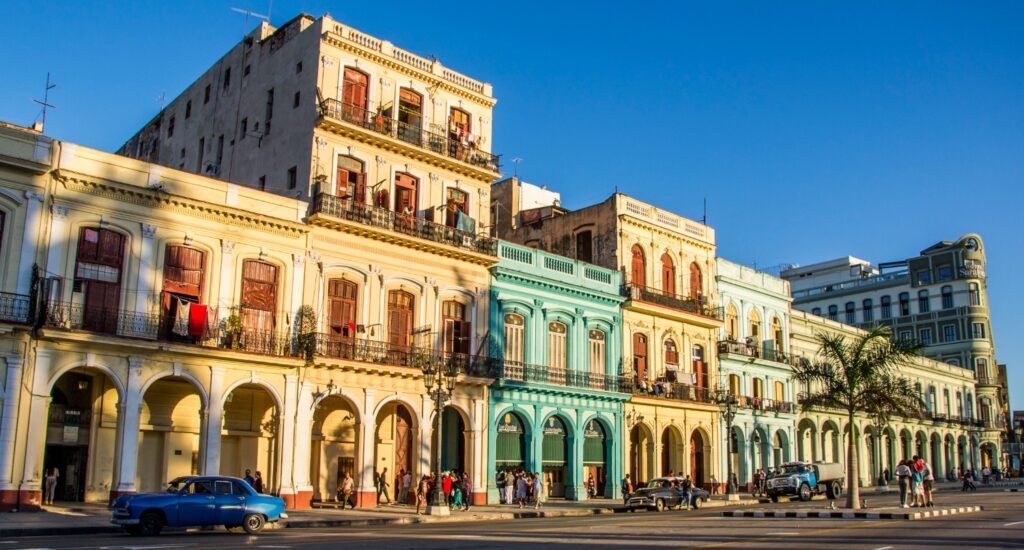
It feels as though time has paused in Havana, yet life bursts at the seams in every alleyway. Sunlight makes pastel-hued buildings come alive, the scent of tobacco leaves wafts through the air, and vintage Chevys cruise the streets as if the 1950s never ended. Havana doesn’t strive to impress; it simply exists as a beautiful paradox—a city in shambles and yet standing remarkably strong.
This is the pulsing heart of the Caribbean, showcasing three distinct personalities. In Habana Vieja, tales of imperialism and revolution come alive. Centro Habana buzzes with street smarts and grit. Vedado struts into the 21st century with galleries, theaters, and a modern skyline. To truly understand the city of Havana, Cuba, you must navigate all three.
Any journey through the capital starts in Habana Vieja, a compact treasure trove of restored architectural gems. Inscribed as a UNESCO World Heritage site, its baroque and neoclassical monuments date back to the late 16th century, ranking among the most remarkable relics of Spanish colonial architecture.
The neighbourhood is focused on four main squares, each with its own character:
Plaza de Armas: Grand and peaceful, where old buildings screen the lush trees from the city traffic.
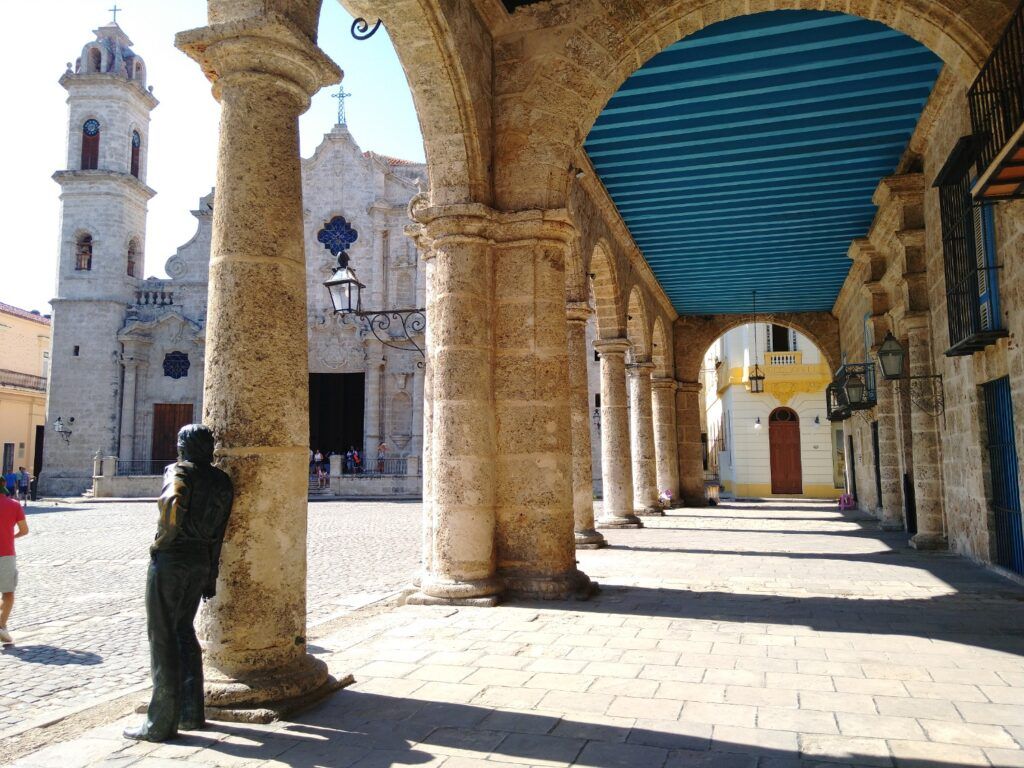
Plaza de la Catedral: A place of baroque splendour, dominated by the iconic Havana Cathedral.
Plaza Vieja: Vibrant and full of colour, it is the perfect spot for people-watching over a coffee.
Plaza de San Francisco: Open to the sea and incredibly picturesque, especially as the sun begins to set.
Beyond the main tourist path of Calle Obispo, Havana truly lives in its side streets. Look for the laundry strung between balconies and listen to the sounds of neighbours sharing stories across the gaps. This is where history stops being a book and starts being a lived experience.
Walk the Malecón at Sunset
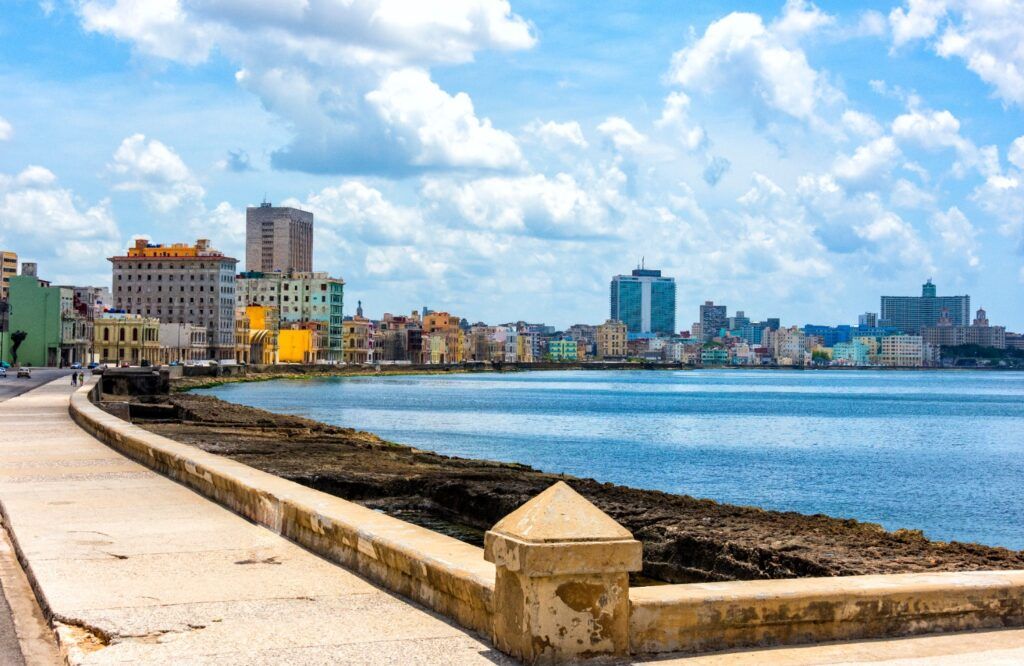
There are a few things that summarise the spirit of Havana more succinctly than an early-evening stroll down the Malecón. This 8km-long seawall facing the Atlantic is like the city’s living room, or its sofa, as locals say. Musicians strike up guitars, lovers lean closer, friends gesture wildly in conversation, and fishermen peer hopefully into the waves.
As the sun sets and the sky fades from thin gold to purple-tinged black, and the waves bash against the concrete wall, the entire city seems to heave a giant sigh. It’s also wonderfully convivial, entirely good-natured, and completely uncoordinated.
Walk from Arrásate near the Castillo de la Real Fuerza to the west as far as the Hotel Nacional for the best encounters. Finish with a mojito on the lawn, with a sea-briskened wind in your hair, and approach the sound of Havana’s engine in fourth gear.
For a wider sense of context beyond the capital, explore the best things to see in Cuba and see how Havana fits into the island’s broader rhythm.
Classic Cars and the Broad Boulevards of Vedado
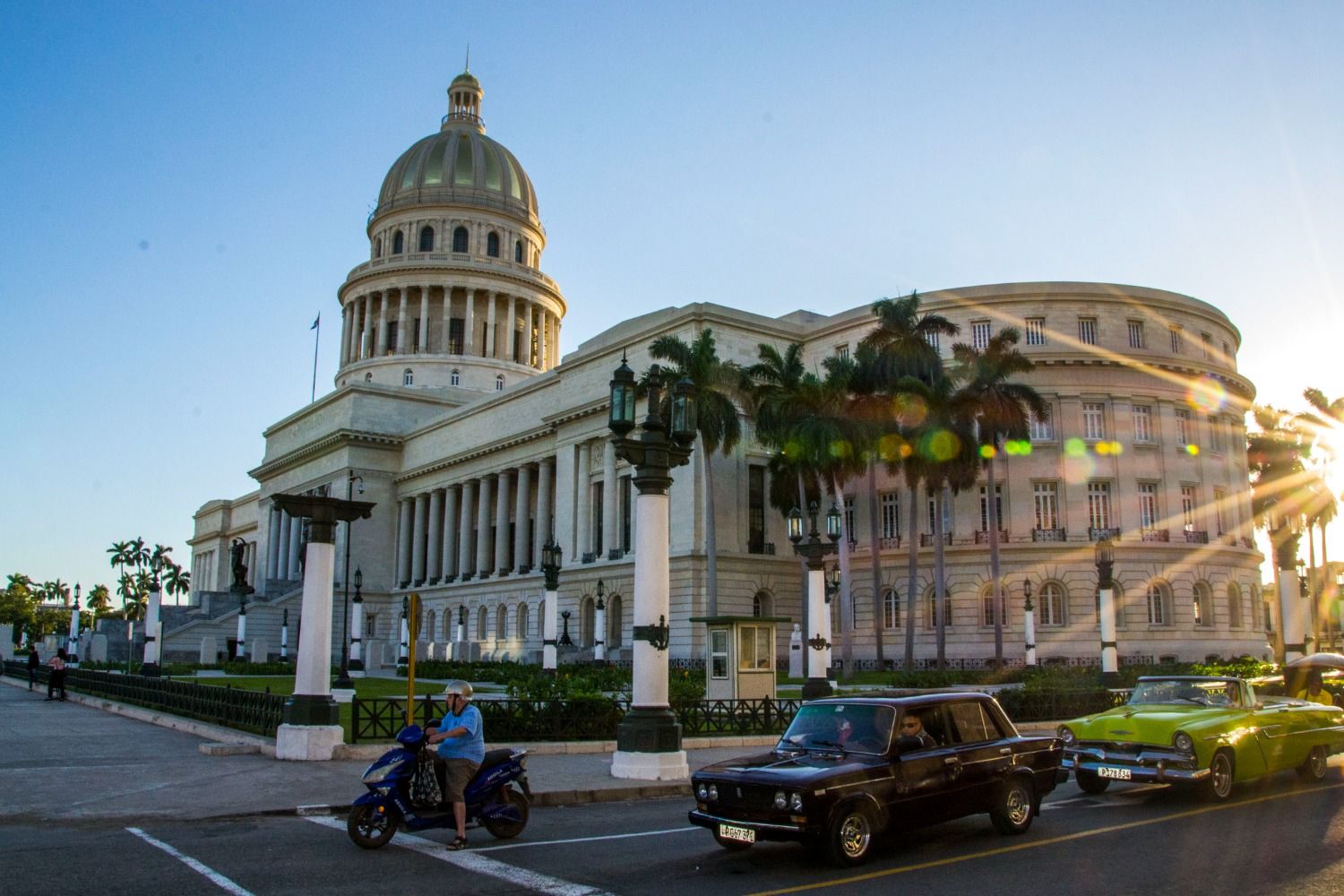
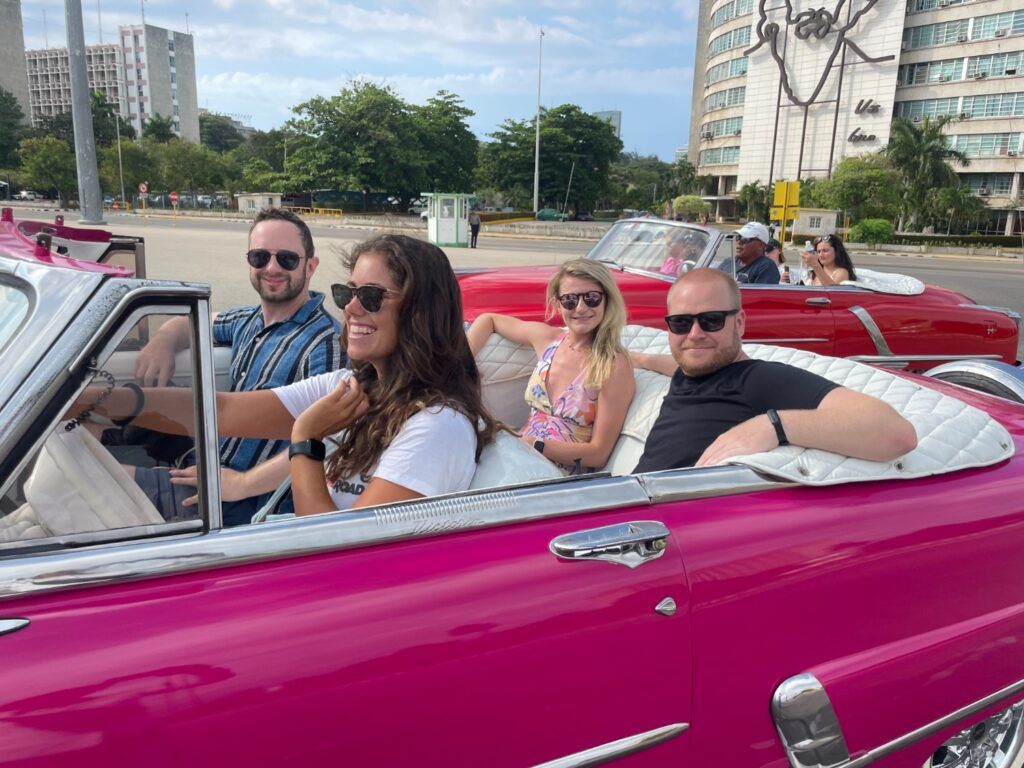
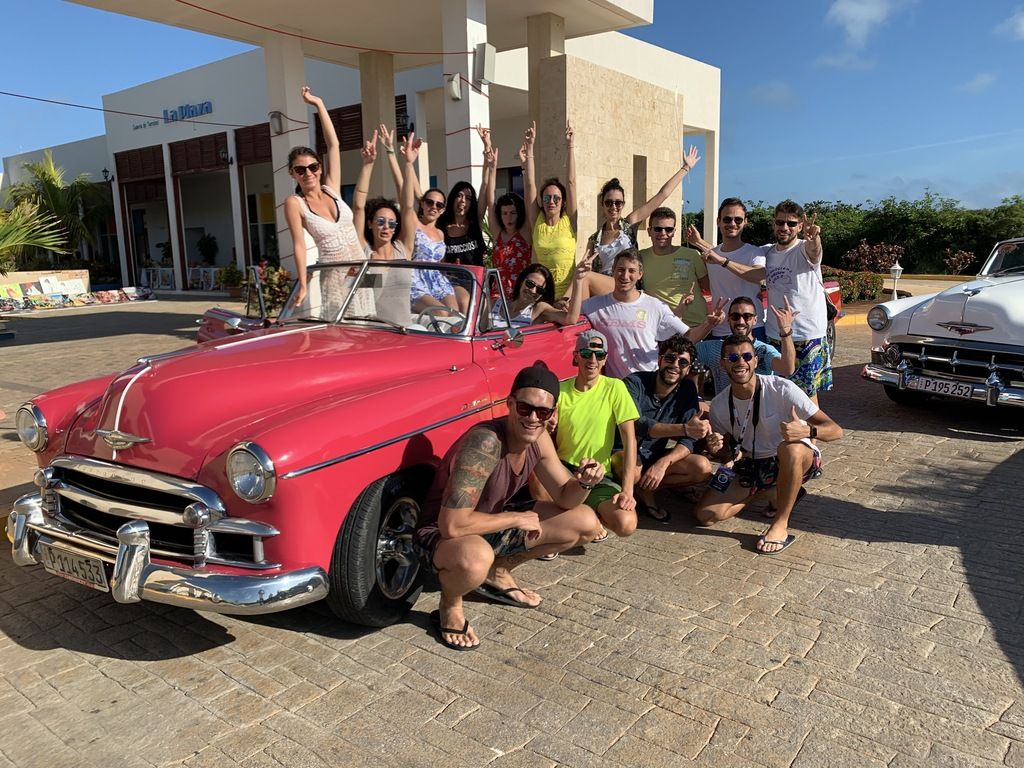
Those gleaming, candy-coloured American cars are not museum pieces but, because of the country’s many-year trade embargo, a whole fleet has been preserved, making the 1950s-style cars the most common type on Havana’s streets. Riding in them isn’t about travelling in style; instead, it provides a unique perspective on the city.
A drive through Vedado puts a different face of Havana on show. Wide boulevards instead of narrow alleys, modernist in place of art déco, peace and time to breathe. The huge Plaza de la Revolución embodies those permanent images of Che Guevara and Camilo Cienfuegos, forever part of Cuba’s consciousness.
Always agree on the price beforehand. A one-hour drive costs between 30-50 USD, depending on the car’s condition and how well you haggle. Consider it part transport, part theatre, and part time travel.
Discover the Rhythm of Nightlife and Paladares
In Havana, the night doesn’t fall—it rises. At the heart of this way of life are the paladares, privately owned restaurants often run from family homes. They don’t just offer a taste of Cuba; they grant a glimpse into the lives of its people.
La Guarida is famous for its ambitious setting and brooding ambience
El Chanchullero delivers affordable, no-nonsense Cuban cuisine by the bucketload
Cocktails here are more important than dessert. The “holy trinity”—mojito, daiquiri, and Cuba libre—should be enjoyed in your own time. A quick zip around the bars may end at the first stop if you hit La Bodeguita del Medio, always packed with Hemingway lovers who expect an authentic experience without the irony.
Take a Walking Tour of Havana’s Historic Landmarks
Havana makes the most sense when explored slowly. A walking tour helps unravel a narrative that weaves between centuries of Spanish colonisation, revolution, and constant renewal. You’ll find grand plazas next to art deco gems and unwieldy chunks of brutalism.
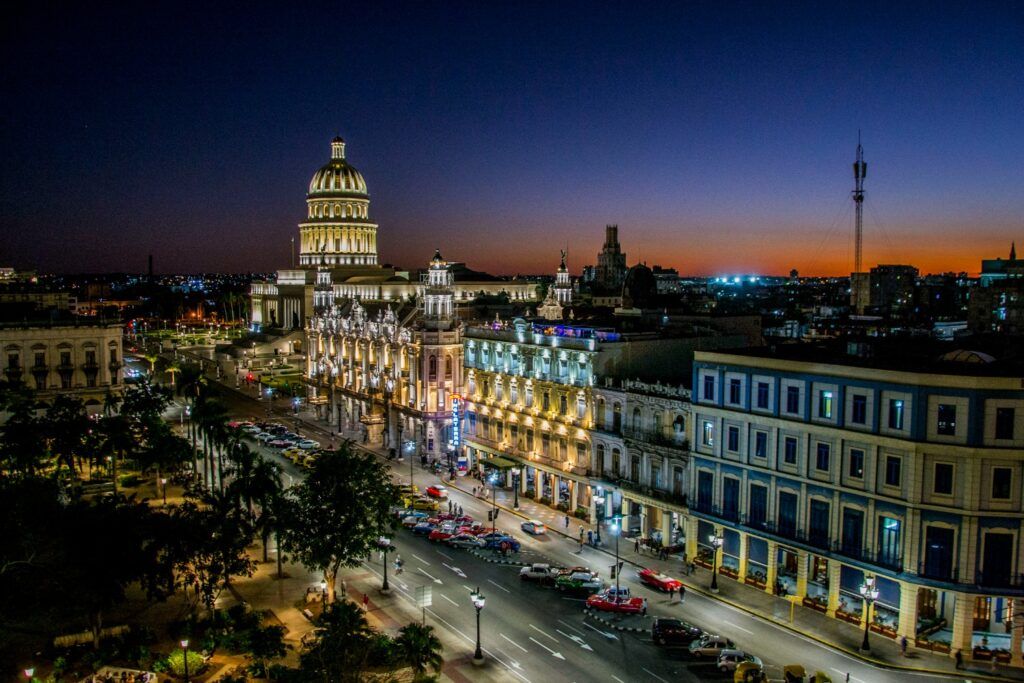
Keep an eye out for El Capitolio and the Gran Teatro de La Habana, which hosts the city’s soul on stage nightly. If you look closely at the walls, you might even spot bullet holes left by revolutionaries—scars of a history that feels incredibly close. Even without a guide, go slow : stop to look into doorways and up at the intricate tenement architecture.
Listen to Live Music Where it was Born
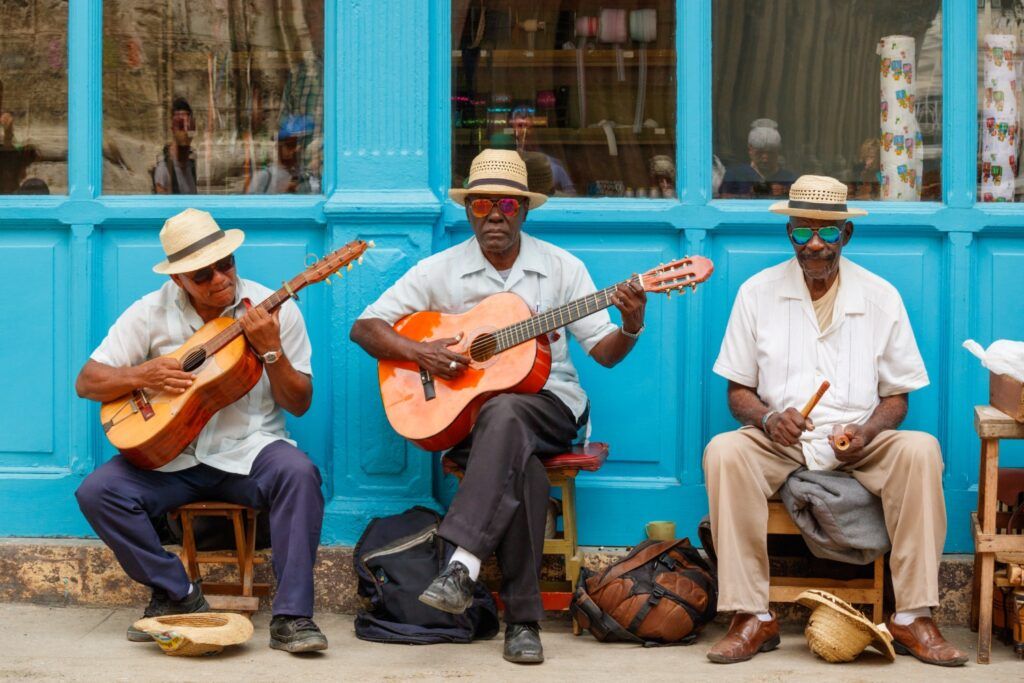
Salsa, son, jazz, rumba, there are some cities where music is the air they breathe. In these towns, it’s impossible to escape live performances, which seem to spontaneously erupt, even in staid concert halls. In these places, audiences rarely know what shows are on. Instead, music is something you do when enough people feel like doing it.
You can have a night out at the intimate clubs ofCentro Habana and Vedado, where locals dancing up a storm don’t care who’s watching them. Don’t know how to dance? Don’t worry, nobody really knows how to dance, but they’re all willing to have a good time. In some ways, this is the most authentic nightlife Havana has to offer: hot, smiling, and social.
Explore the Raw Soul of Centro Habana
Centro Habana isn’t always “easy on the eyes”—it’s gritty, loud, and totally relatable. This is the part of town where the city’s heart beats loudest. It doesn’t put on its best clothes; instead, it shows you the real Cuba : successful small businesses, magnet schools, and families keeping the age-old spirit of Havana alive. It’s powerful, bold, and unapologetically messy.
Planning Your Visit : Practical Tips
Timing and preparation are key to a smooth trip:
Best Time to Go: The dry season (November to April) offers cooler evenings and lower humidity. Peak season (December to March) is energetic and full of festivals, but be sure to book your casas particulares well in advance.
The Wet Season : (May to October) is hotter and more humid. While hurricane season runs from June to November, you’ll find far fewer tourists and better deals on accommodation.
Practicalities : Havana is a city of cash. Contactless payments and functioning ATMs are rare, so bring what you need. While Wi-Fi exists in hotspots, it can be intermittent—downloading offline maps (like Maps.me) and knowing where you’re staying ahead of time will help you navigate the streets with confidence.
For greater detail and planning beyond Havana to the rest of the country by season, see our guide to the best time to visit Cuba.
Experience the True Soul of Havana
Havana is not a city of structures, no matter how stunning; it is a city of forces. It’s about chats with outsiders, snickers shared over Havana Club, and finding magic in circumstances that appear commonplace.
It is a city to toast to, to move through, and to examine late under the night sky. The genuine enchantment isn’t just in a Malecón sunset, but in the feeling of life releasing itself on a packed dance floor. These moments are better experienced together, with a squad of kindred pioneers to share the wonder. If that speaks to you, explore all our group travel experiences in Cuba and let Havana work its spell, together.